Engineering speed. Mastering flow.
CFD expertise for motorsport, aerospace, and research.
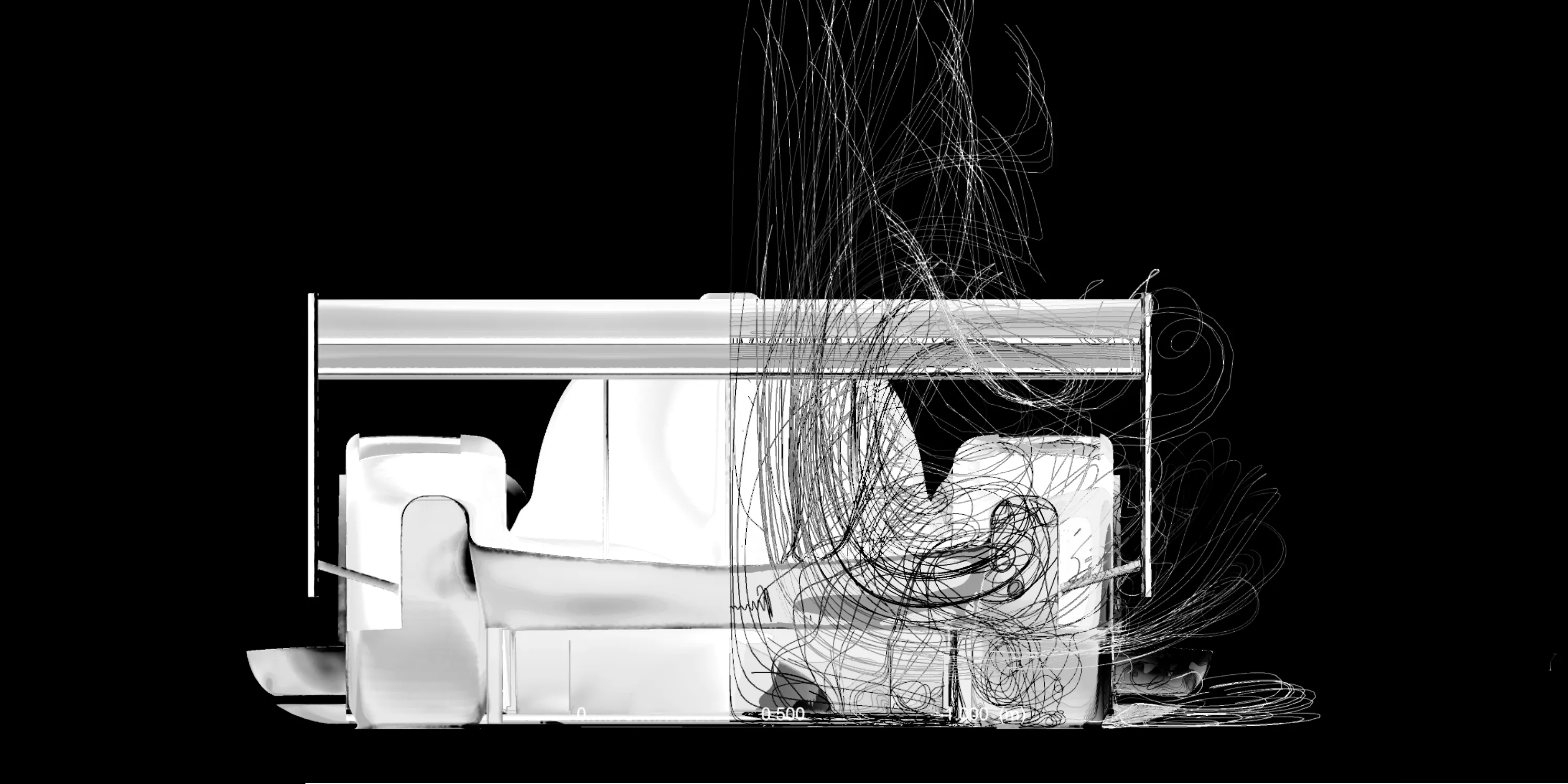
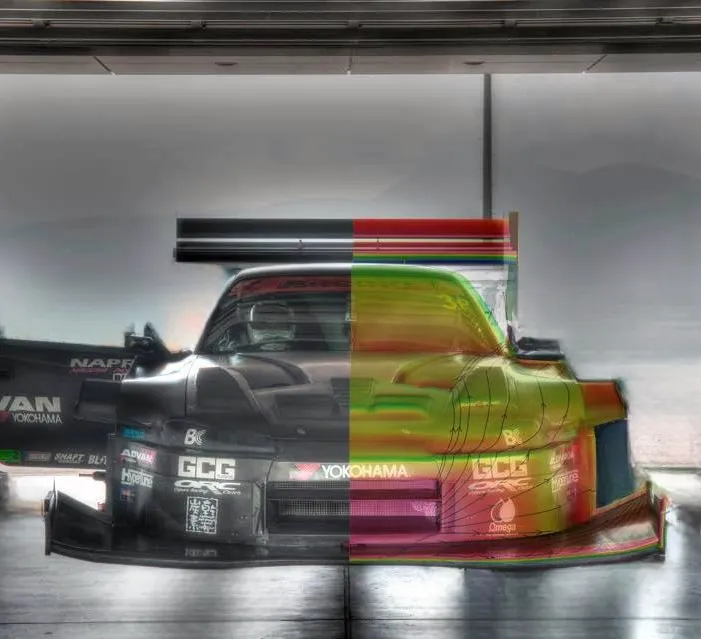
Organizations using ADR technology
Leading teams in motorsport and research rely on our CFD methodology and simulation infrastructure. Detailed case studies available under NDA.








Precision engineering. Unmatched simulation.
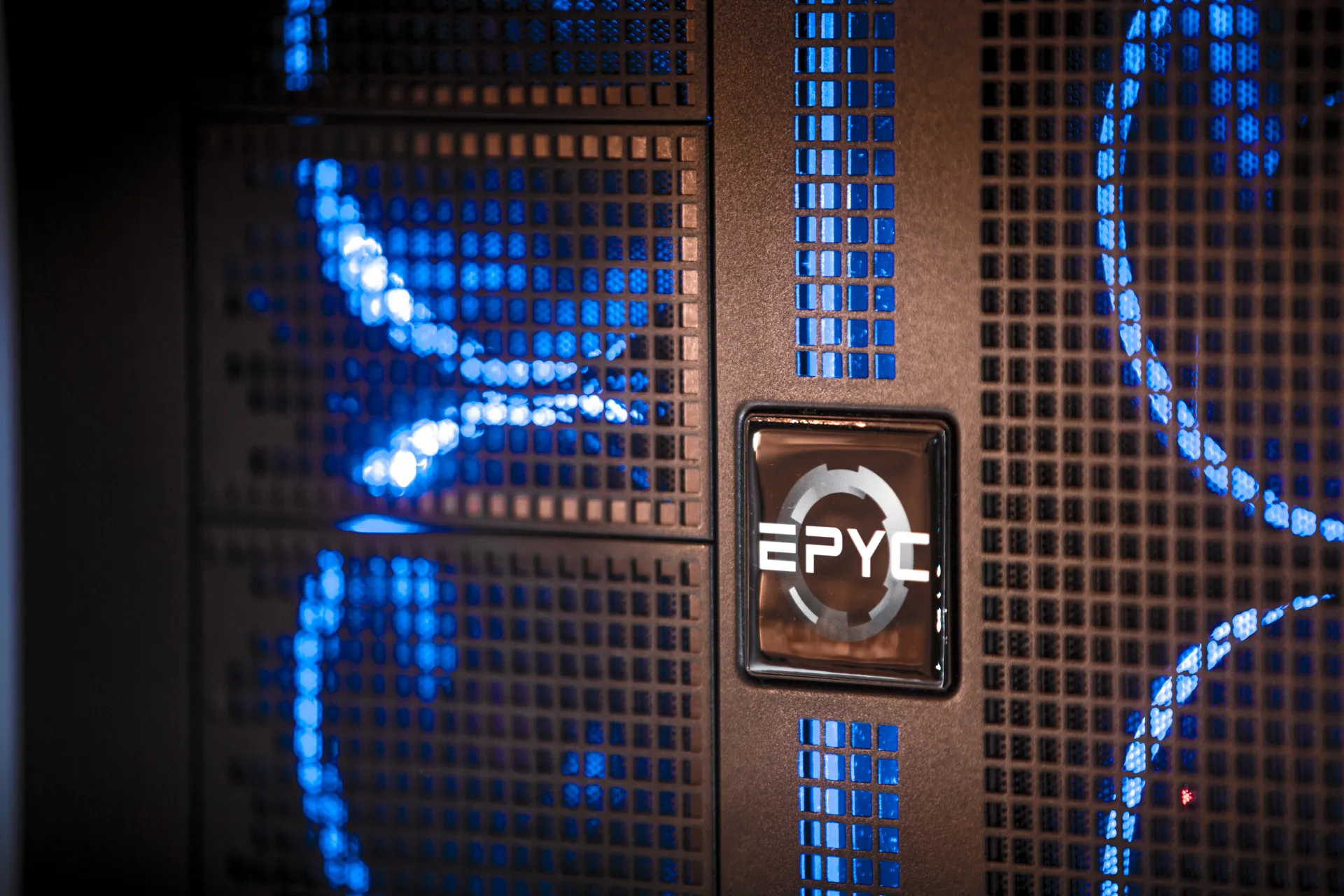
Our Intrascale™ Compute Cluster

Compute
5 nodes · Dual EPYC Milan 64-core

GPU
480GB VRAM · NVLink

Memory
256GB per node

Network
Infiniband EDR · Mellanox SB7790

Local LLM Infrastructure
Frontier models running on-premise. DeepSeek R1 for research and NDA-protected dataset analysis. Your data never leaves our facility.
No cloud. No third parties. No leaks.

End-to-End Production Pipeline
Deeply coupled partnerships for chassis development, vehicle dynamics, and design engineering in Japan. Complete production capability without overhead or markup in the middle.
Engineering Platform
Reverse engineering at the highest level
From 3D scan to race-ready CAD. Aerospace tolerances. Experience: over 100 vehicles including IndyCar and Formula 1.
3D Scanning
Ligier JS P320 — Creaform HandySCAN
Black Elite+ — 0.025mm accuracy





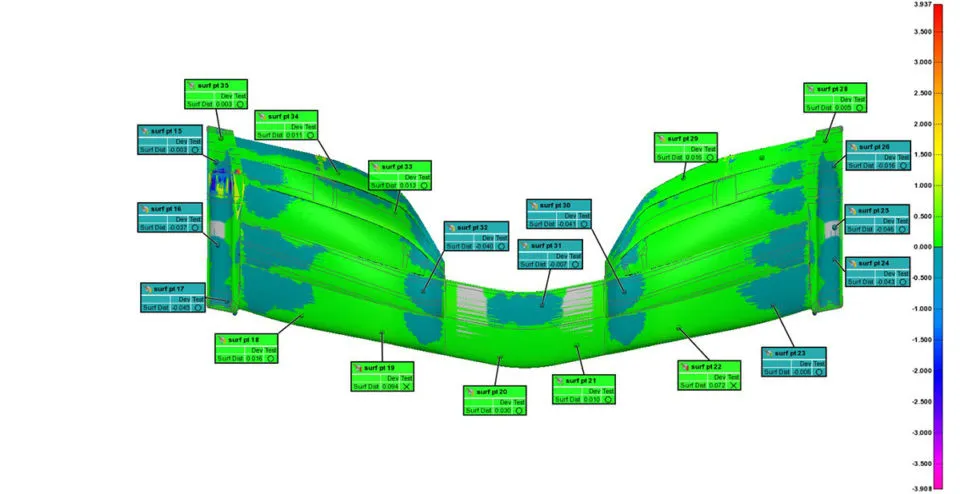
Geomagic Design X — Formula 1 front wing
Surface deviation analysis — scan data reverse engineered to micrometer tolerance.
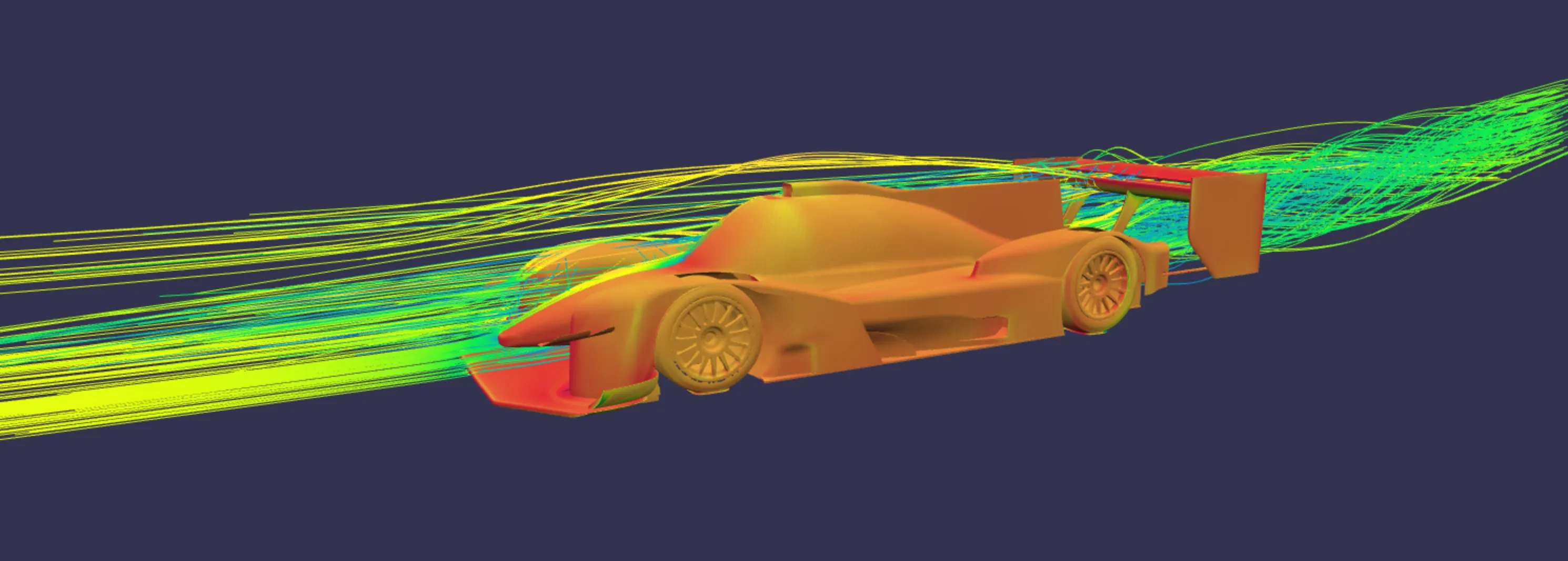
Ansys Fluent — Wolf Extreme
High-fidelity CFD simulation — analyzing aerodynamic performance and flow structures.
Siemens NX — Real-time Rendering
Rendered real-time on NVIDIA RTX 8000 48GB. F1-scale large assemblies — no problem.
CFD-Ready Model — Ligier JS P320
Surface design refinement — optimized for downforce, drag, and balance. Prototype experience includes Norma, Ligier, and Wolf chassis.
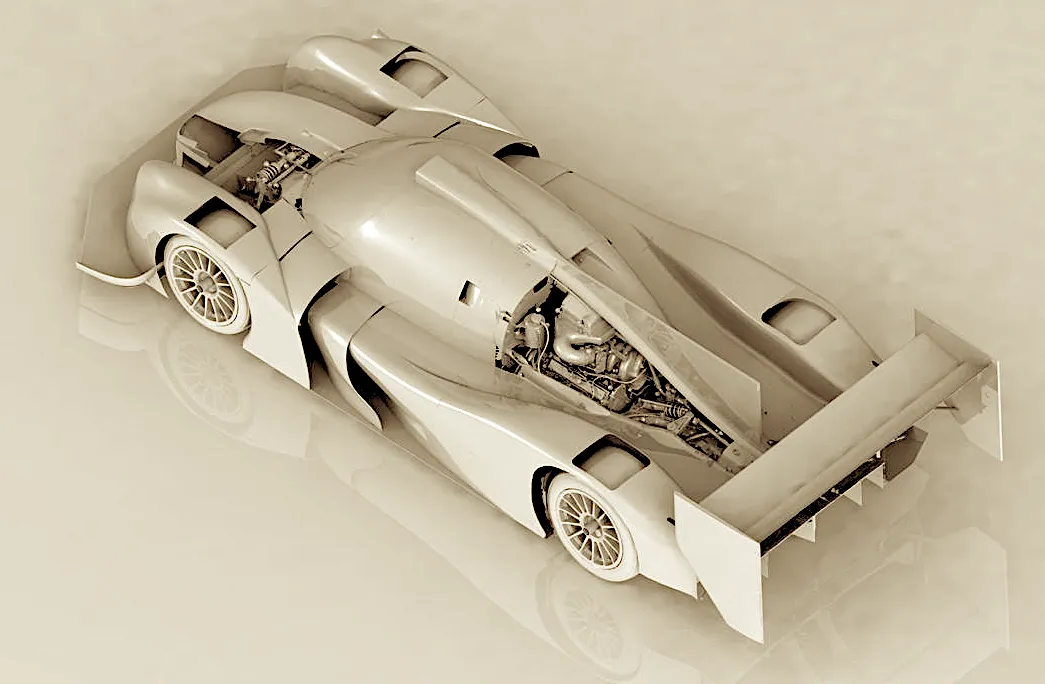
01
3D Capture
Creaform scanning systems. 0.05mm accuracy standard, micrometer precision available depending on part size.
02
Surface Reconstruction
Geomagic Design X transforms scan data into feature-based CAD with automatic and guided extraction.
03
CAD Refinement
Licensed for Siemens NX and SolidWorks. Specialized tools for CATIA import. CFD-ready geometry output.
04
Simulation
ANSYS with custom solvers on our Intrascale cluster.
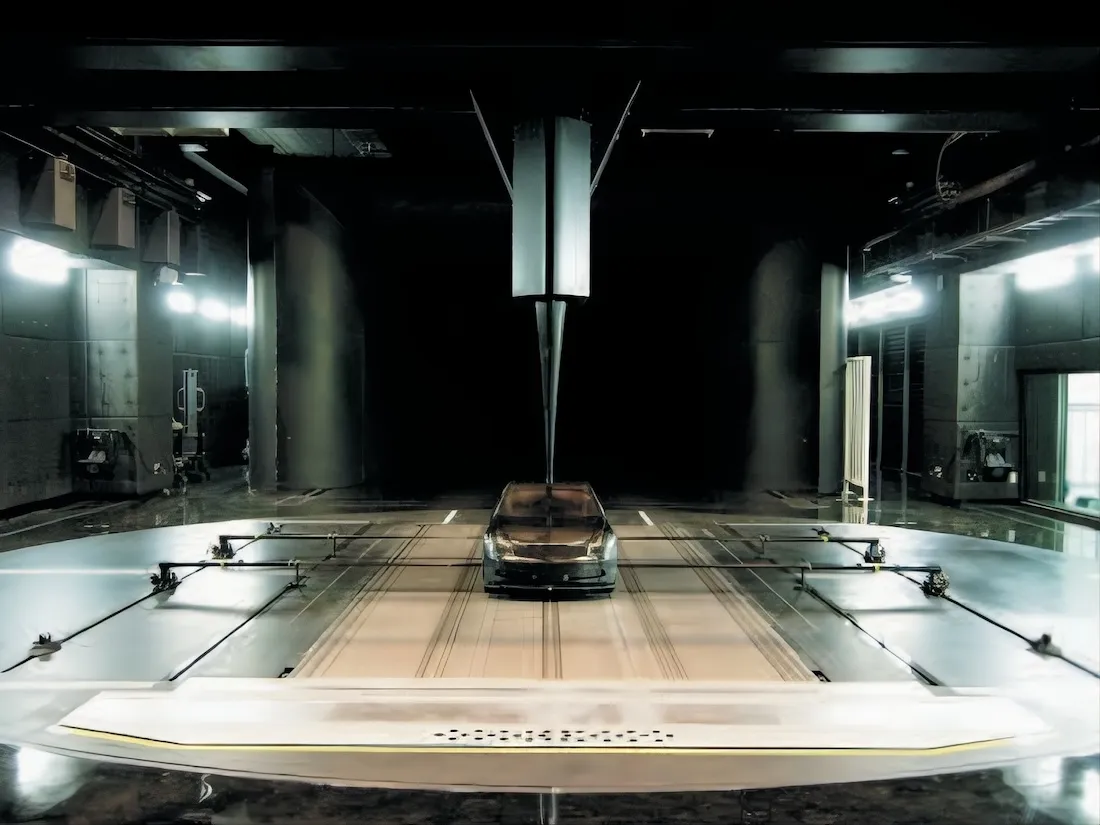
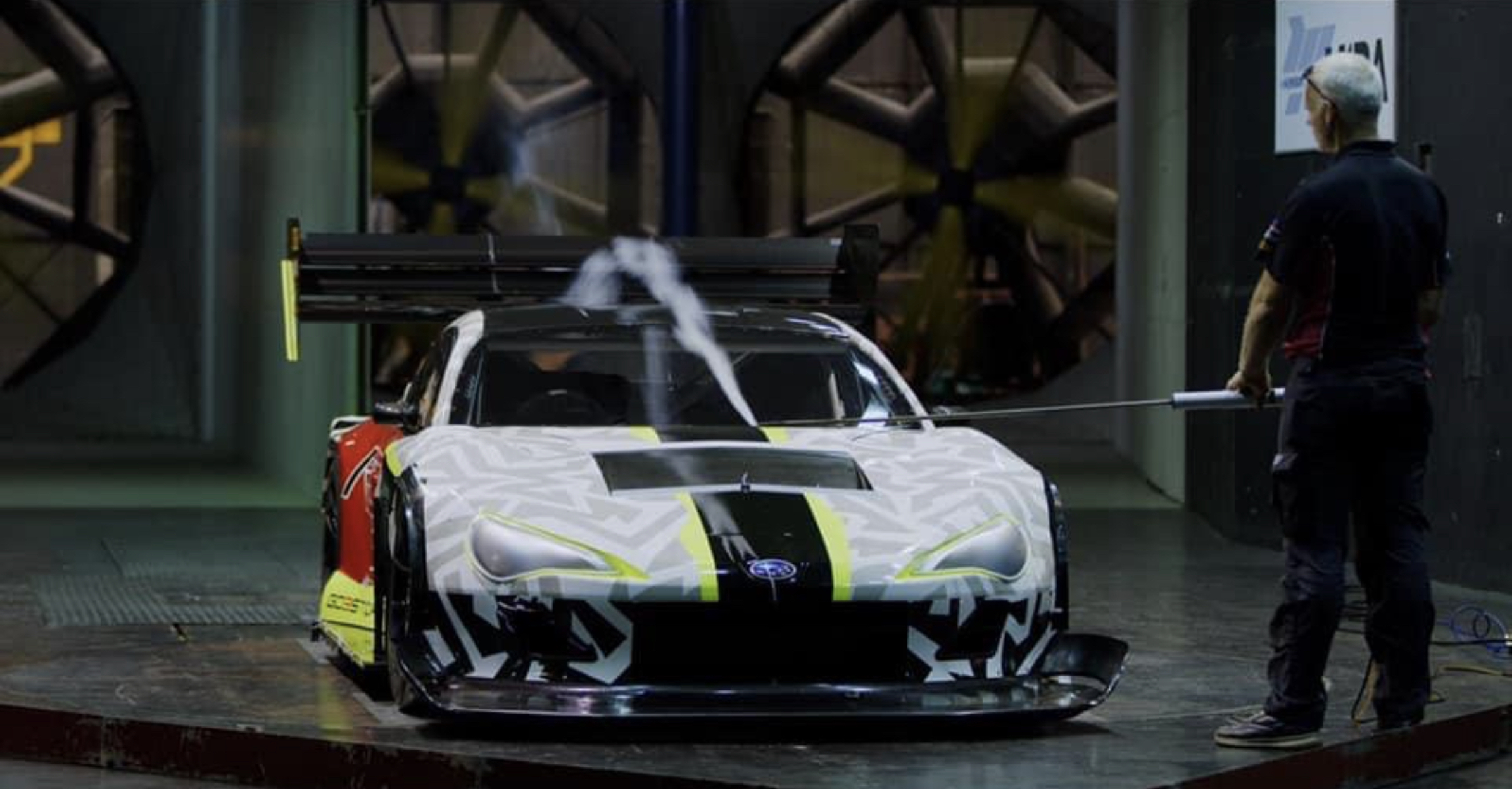
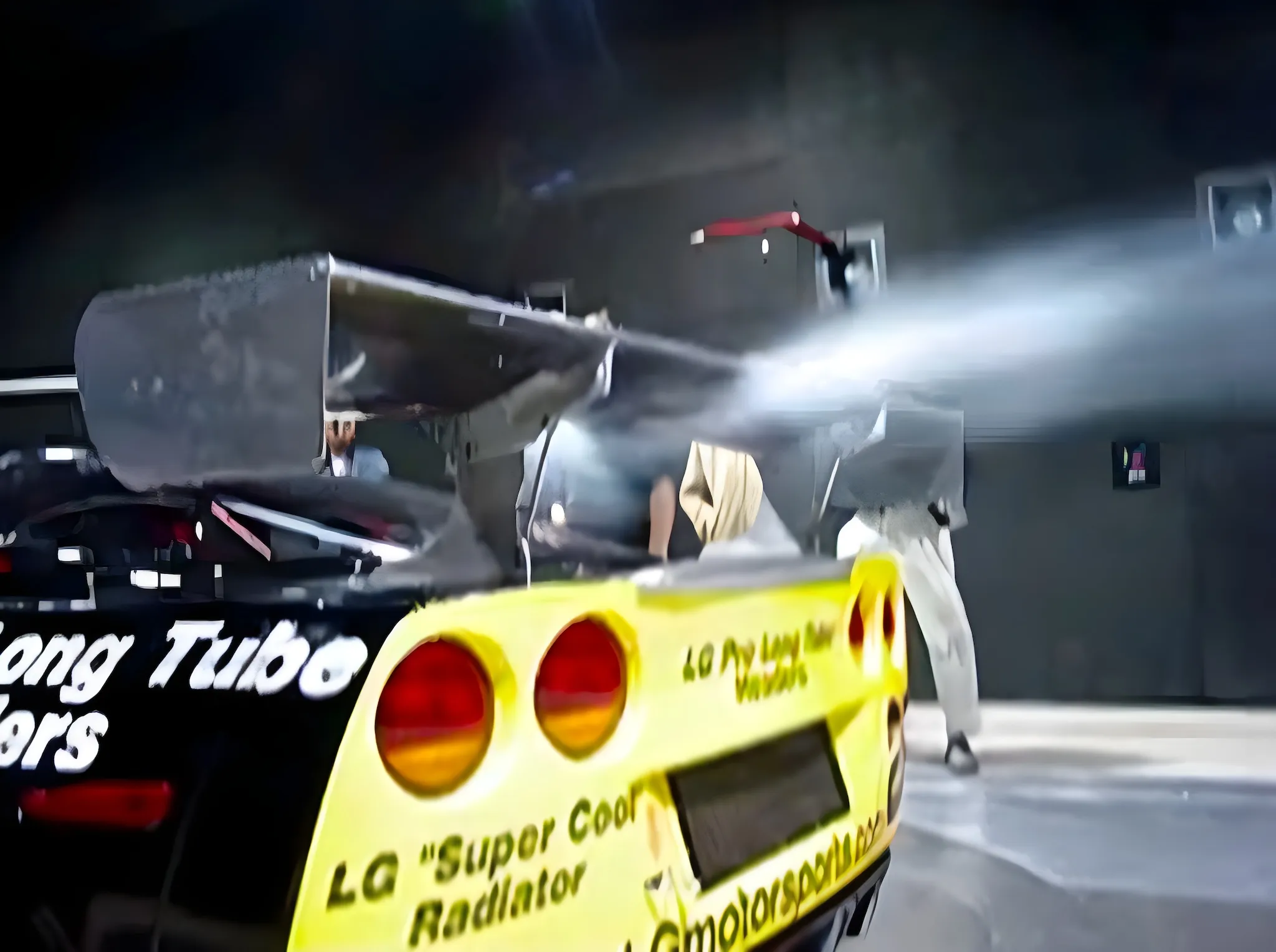
Wind Tunnel Development and Instrumentation
Custom facility design with precision measurement systems and multi-scale methodology


Yoshi Suzuka
Four-year collaboration with Nissan Technical Center developing the SST (Super Small Tunnel) — multi-scale wind tunnel methodology now adopted across Nissan's program.
Nissan Case StudyComputational Physics and Fluid Dynamics
Advanced numerical methods and high-fidelity simulation across multiple physical domains
Fluids & Fields
Fluids
ANSYS with custom solver development. Complete automation system with on-demand cluster power up/down.
In-memory solutions: 1.5TB (CPU) · 400GB (GPU accelerated)
Critical results validated through multi-solver consensus rather than single-method averaging. Adversarial configurations expose assumptions; agreement across independent methods is stronger than convergence within one.
Fields & Computational Physics
GPU-accelerated solvers for complex field problems. Lattice gauge theory ported to CUDA on our cluster.
Computational infrastructure for research groups. We implement and optimize — your team focuses on the science.
AI-Assisted Analysis
Custom pipeline for large dataset analysis. Pattern recognition across parameter spaces. Local infrastructure — no cloud dependency, no data leaves the building.
Purpose-built data delivery
Off-the-shelf tools didn't cut it. We built our own — secure, interactive, VR-ready.
Consensus Pressure Dropper
Reads what you mean, not where you click. Filters outliers from turbulence and geometry — 17% more precise than traditional sampling.
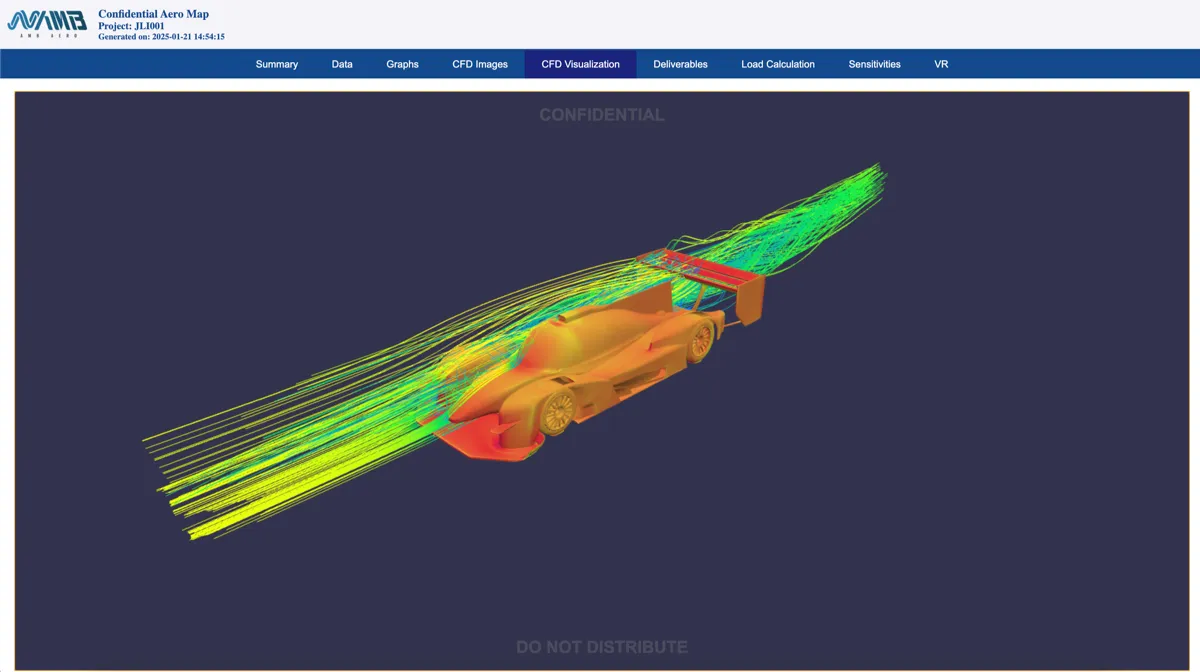
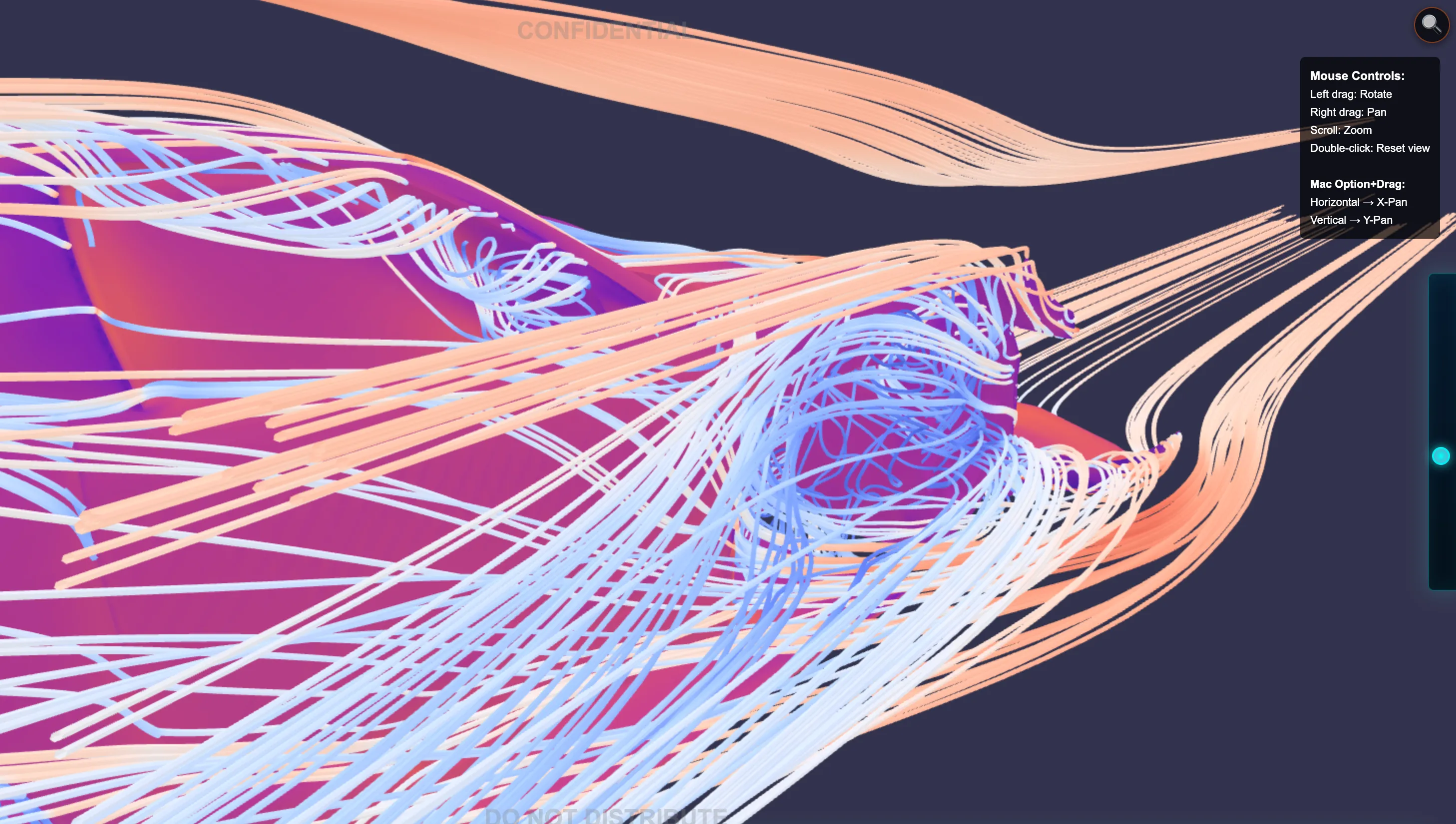
Wake Structure Isosurface
Auto-isolates turbulent from laminar flow. Selectable vortex bodies. Streamlines seeded from structures — see complex flows without the noise.
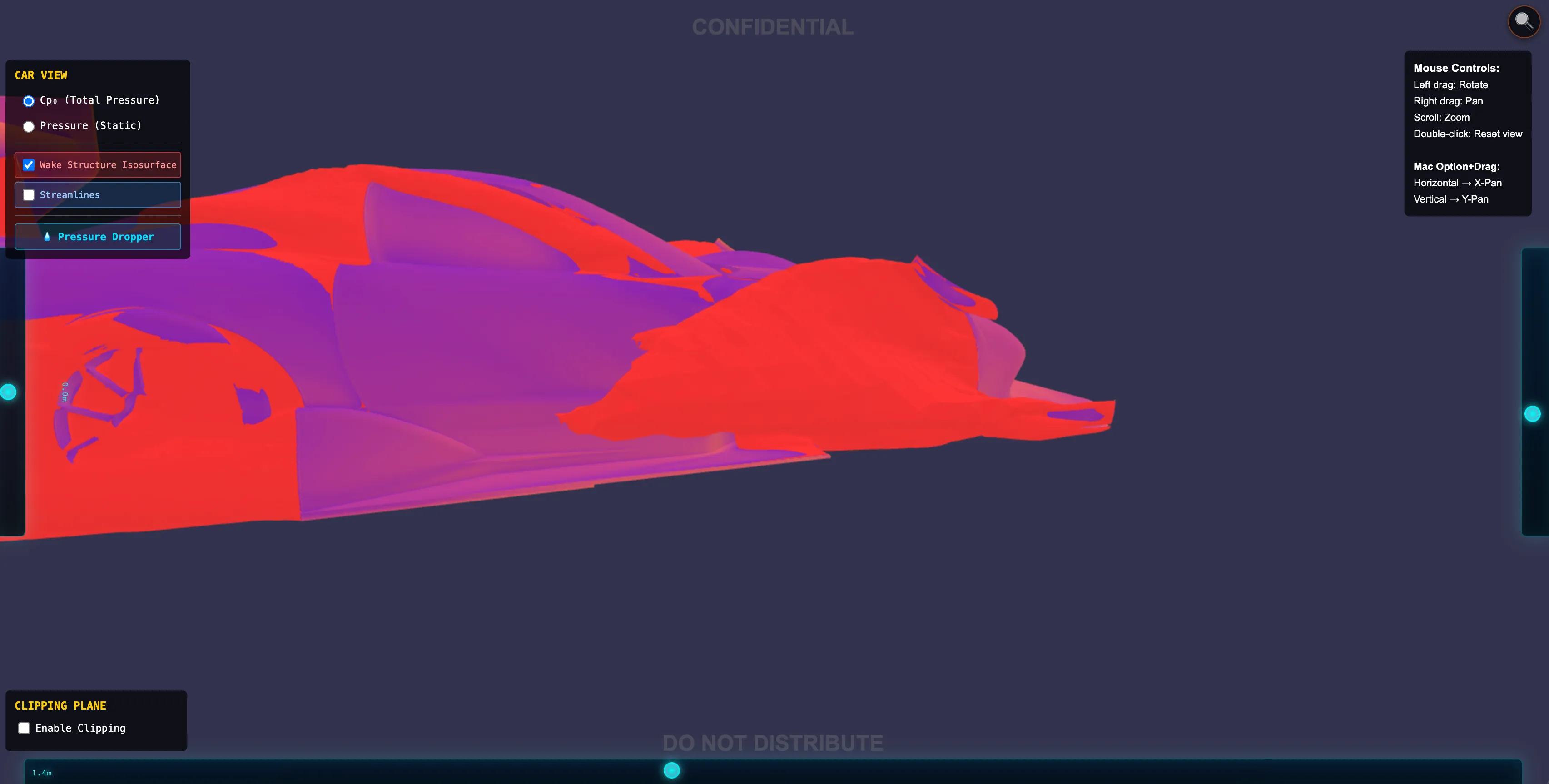
Immersive VR
Step inside the flow field. Meta Quest, Valve Index, SteamVR.
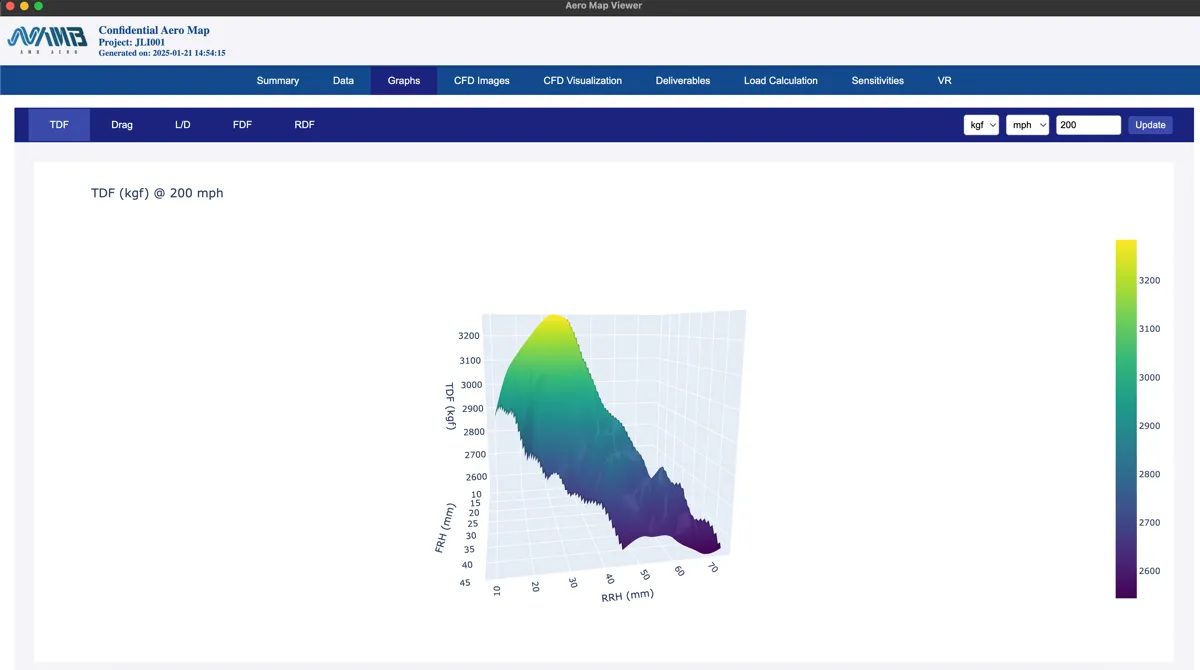
Interactive Aero Maps
3D surface plots. Advanced interpolation between test points. No more spreadsheet guessing.
Multi-Format CAD
STEP, IGS, X_T, EPRT. Measure directly in-browser. No CAD software needed.
Secure Delivery
Encrypted app. Audit-ready logging. Windows, macOS, Linux.
Proprietary visualization technology
Generic CFD post-processing means random seed points, spaghetti streamlines, and manual iteration hoping to expose coherent flow structures. It's slow and non-deterministic. Our Wake Structure Isosurface methodology replaces this with automated detection of vortical regions using structure intensity metrics, separating turbulent from laminar flow algorithmically. Select individual structures by strength, generate streamlines seeded from inside each vortex core rather than arbitrary spatial points, and obtain clear insight into complex three-dimensional aerodynamics in minutes rather than days.
The Consensus Pressure Dropper complements this by filtering geometric sensitivity and turbulent outliers to provide stable surface measurements on challenging geometries: radiator faces, fin arrays, heat exchangers, cooling ducts. Internal validation shows 17% improvement in precision relative to conventional point sampling.
Throughput and decision latency. From solver completion to fully generated wake structures, streamlines, and report artifacts: approximately three minutes. Equivalent workflows in conventional ANSYS-based post-processing routinely require 20-40 minutes per iteration. This matters because solver resources are expensive and finite. While human decision-making is delayed, compute infrastructure sits idle. You're queuing up your next runs blind. Meshing starts only after you finally see results. Every second of decision latency is wasted wall-clock time. We needed reports ready almost immediately after solution. This system made the difference.
Differential analysis modes. Side-by-side comparison with automated delta computation. Changes in streamlines, surface pressures, and Cp distributions are quantified and highlighted directly. The system exposes causal effects of geometric modifications without manual A/B squinting.
Local-first architecture. VR CFD from the cloud? Good luck with latency. And the egress costs when you're moving terabyte-scale datasets. Our viewer runs entirely on your local 100 Gbps network. A 1 TB solution transfers in ~80 seconds and loads in VR instantly. No external dependency. No off-site data transfer. No throttling. Engineers work directly on the complete solution field, not down-sampled subsets. This isn't a plugin layer or scripting framework. It's purpose-built infrastructure for serious aerodynamic analysis.
Publication-quality output for journals, internal reviews, and academic dissemination. If your research team is spending more time wrestling with plotting libraries than interpreting physics, talk to us.
Championships, records, and race wins
Results across five continents
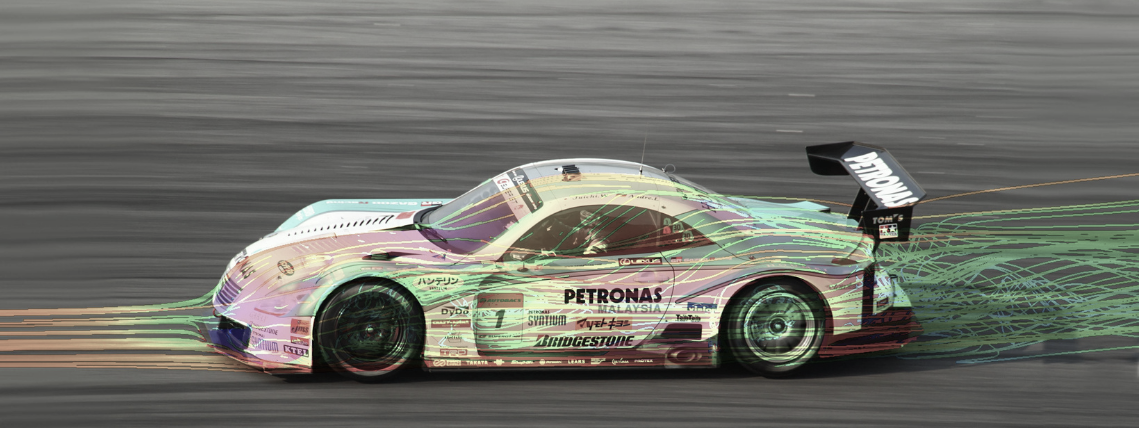
Toyota Racing Development

SuperGT GT500 Champion
Toyota Racing Development, Japan
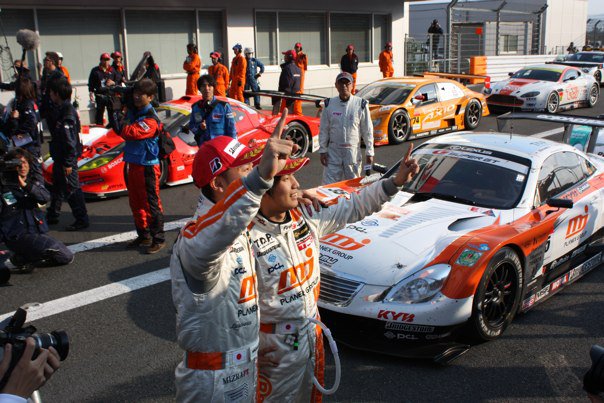
Toyota Racing Development
SuperGT GT300 Champion
Toyota Racing Development, Japan
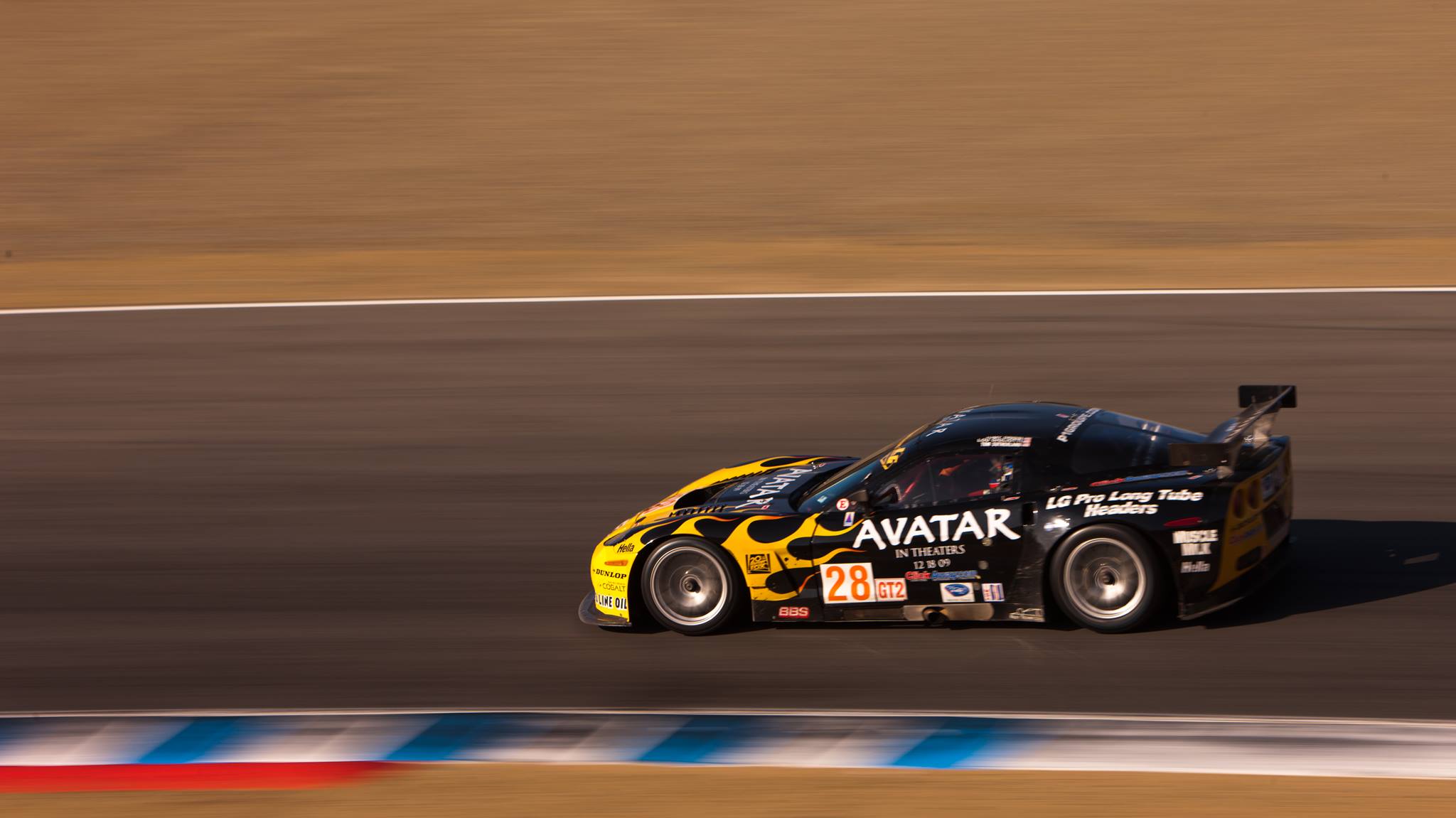
Fastest privateer team
IMSA American Le Mans Founders Cup
LG Motorsports — fastest privateer team
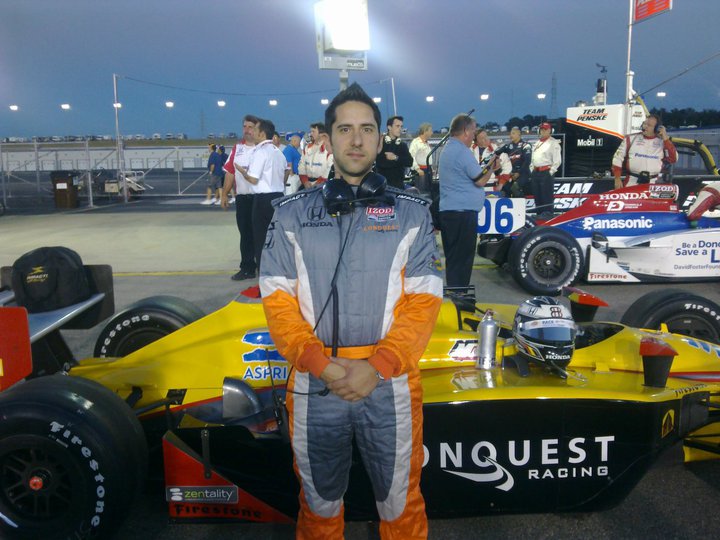
Lowest budget in series
IndyCar — Conquest Racing
"Best of the rest" on lowest budget in series
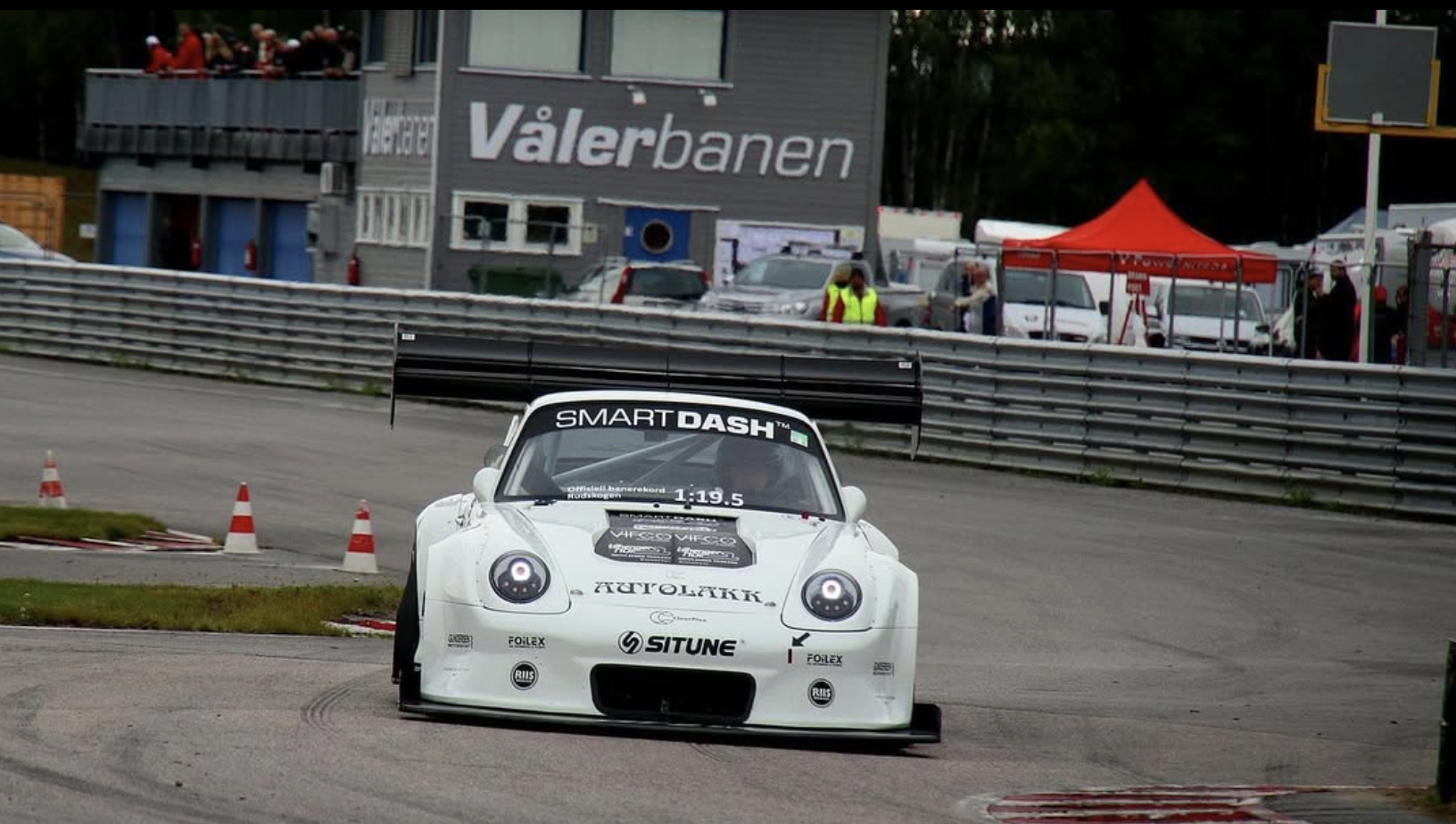
Rudskogen track record
Scandinavian GT Champion
Vidar Frogner, Porsche 993 GT2 — Rudskogen track record
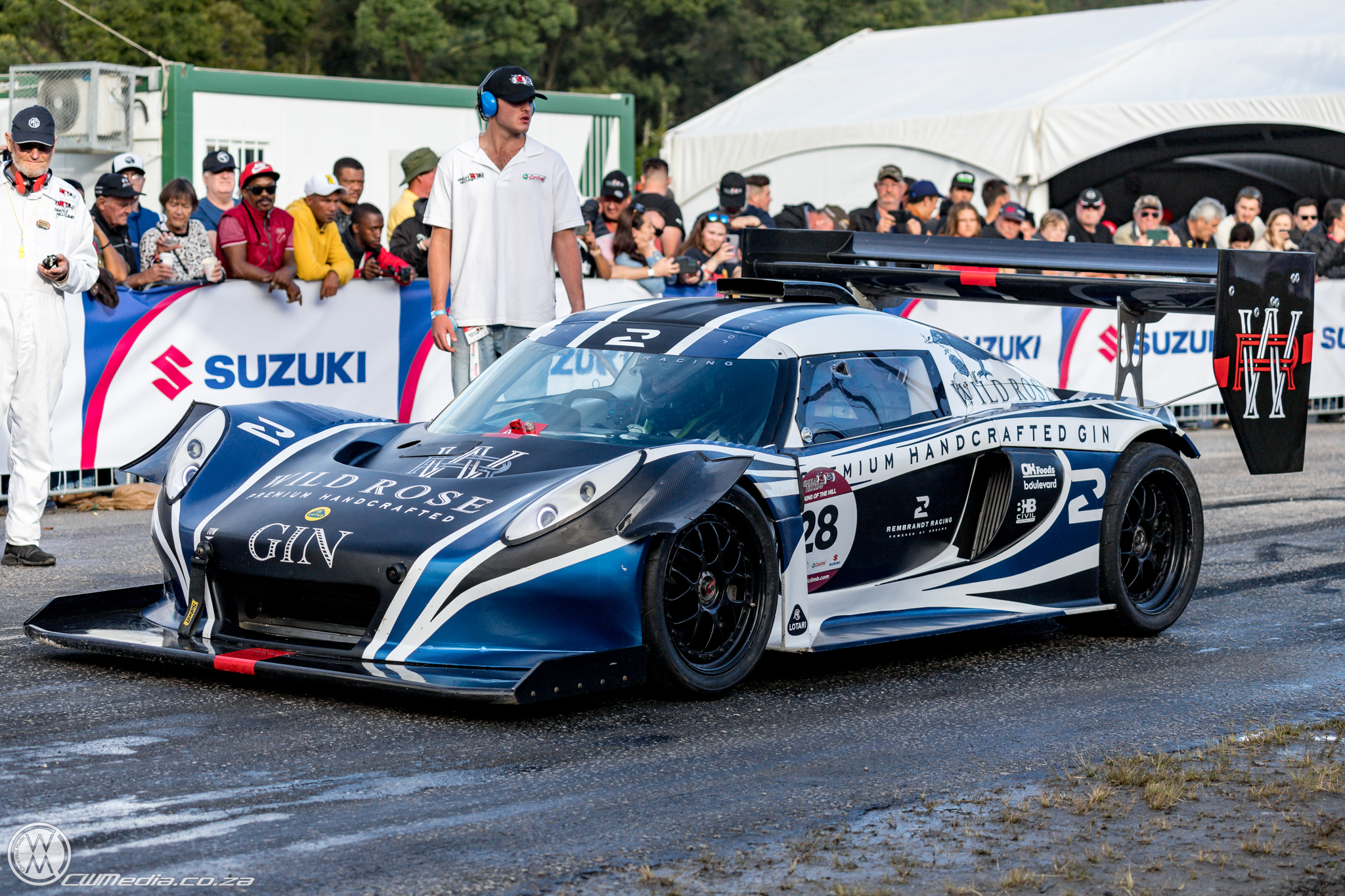
Killarney track record
South Africa GT & Sports Champion
Dawie Joubert, Lotus Exige "Lotari" — Killarney track record
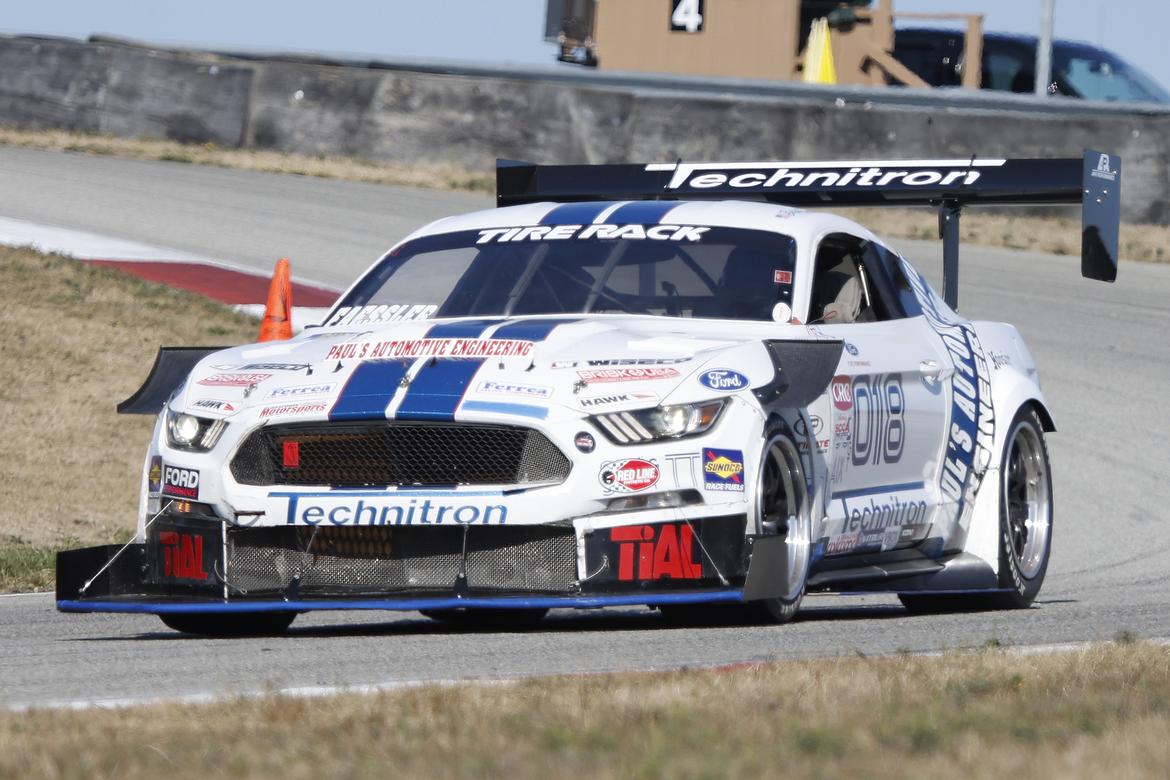
11 track records
NASA National Champion (3 classes)
Paul's Automotive Engineering, Faessler Mustang — 11 track records
Time Attack & Hill Climb
we had so many we had to make a map!
Time Attack and Hill Climb Achievements Summary
USA Region: Lyfe GTR - 3x Super Lap Battle COTA Champion (2019, 2021, 2024), fastest American team in WTAC history with 1:25 lap time in 2023, only defeats came from a car 600kg lighter demonstrating aerodynamic superiority. Unplugged Performance Tesla Plaid "Dark Helmet" - Pikes Peak Exhibition Class Champion 2021, Global Time Attack Unlimited Class winner, multiple EV and production car track records at Willow Springs, Laguna Seca, and Buttonwillow using AMB Aero® Infinity Wing package.
United Kingdom Region: Gobstopper 3 by Roger Clark Motorsport - Brands Hatch lap record 2024, 900hp EJ20 engine, 130kg chassis weight, driven by Olly Clark. Norris Designs EVO - UK Time Attack Pro Extreme Champion 2022 and 2023, Snetterton lap record (1:07.167), 1200hp short wheelbase conversion driven by Simon Norris.
Europe Region: Revline Porsche 968 - European Time Attack Masters Nürburgring GP record (1:36.5), K24 turbo with 1000hp, driven by Alx Danielsson (2006 World Series by Renault champion, ex-Renault F1 test driver). J-Spec EVO - 6x consecutive Time Attack Italia Champion (2018-2023), track records at Monza, Red Bull Ring, and Imola, driven by Serse Zeli. Vidar Frogner Porsche 993 GT2 - Rudskogen Motorsport Arena outright track record (1:19.5) set during race lap not time attack session, first driver under 1:20 at circuit, car produces double the downforce of Porsche 991 GT2 RS.
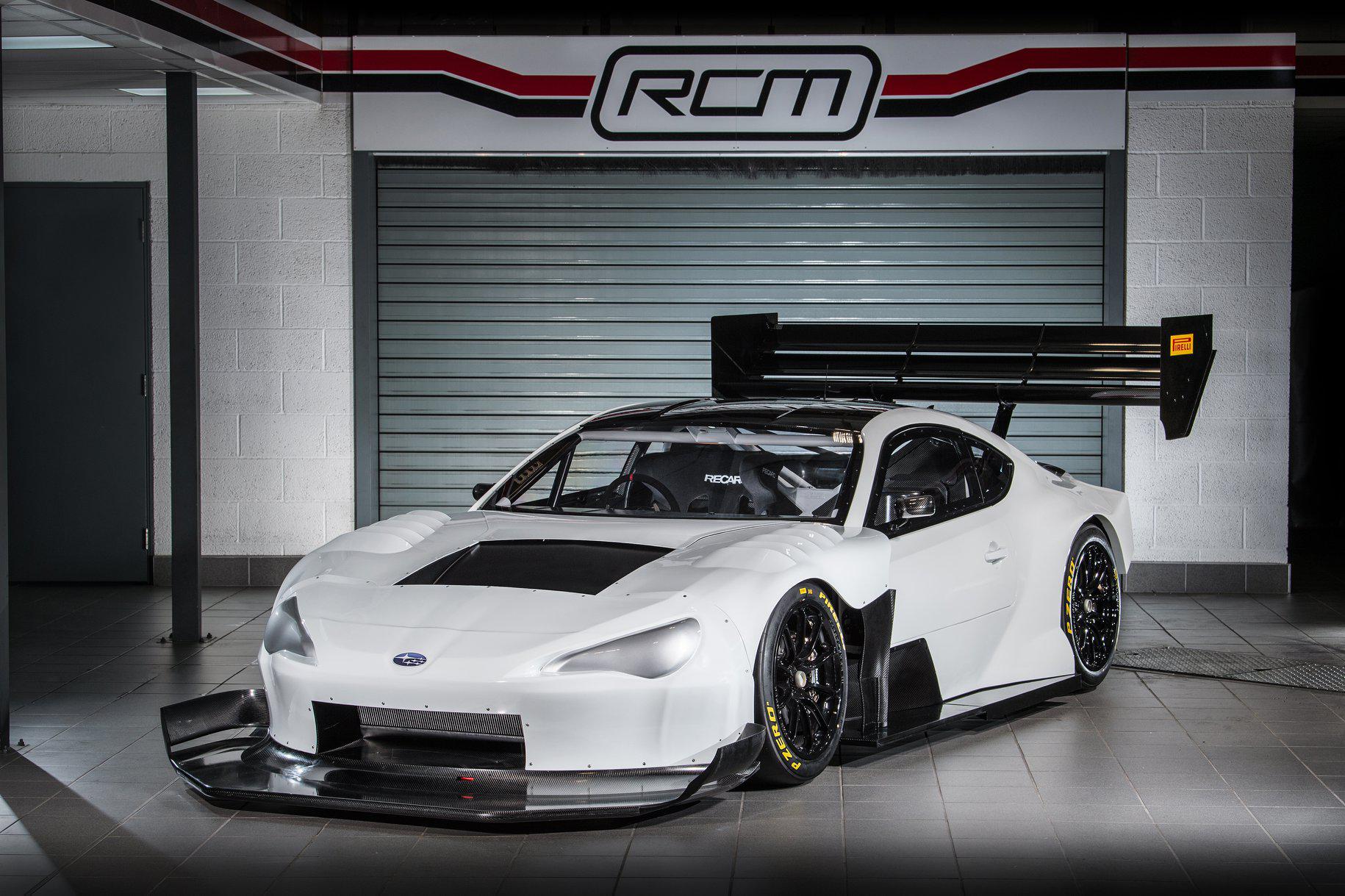
Japan Region: HKS TRB-03 (originally GTS-800) - First production-based car to break Tsukuba Circuit 50-second barrier (49.445 seconds, February 2018), Toyota GT86 base with 800hp, full AMB Aero® Infinity Wing package, driven by Nobuteru Taniguchi. Under Suzuki S15 Silvia - Tsukuba Circuit record holder for 7 consecutive years, RWD car beating AWD competition, semi-slick tire lap record (50.366 seconds), full AMB Aero® package designed by Andrew Brilliant.
Australia Region: Tanuki S13 (formerly MCA Suspension Hammerhead) - 3x WTAC World Time Attack Challenge Pro Class Champion (2016, 2017, 2025), AMB Aero® Infinity Wing package delivers 20% less aerodynamic drag than competitors while producing more downforce, powered by 1100hp VR38DETT GT-R engine. Nemo Racing Mitsubishi Evolution VII - WTAC 2012 Pro Class Champion with track record (1:25.0), full AMB Aero® carbon fiber bodywork designed by Andrew Brilliant, driven by Warren Luff.
South Africa Region: Pieter Zeelie Toyota MR2 Super GT - 2x Simola Hillclimb King of the Hill champion (2021, 2025), 2025 course record (37.090 seconds) breaking previous record by over 1 second, first driver to break 40-second barrier during qualifying, defeated 7x World Rallycross champion Johan Kristoffersson, first South African to compete in European hillclimb at FIA International Hill Climb Cup Osnabrück Germany 2022 finishing 2nd in PF1 class. Dawie Joubert Lotus Exige "Lotari" - 2024 Simola Hillclimb King of the Hill champion (38.405 seconds), South Africa GT and Sports Championship winner, Killarney track record holder, twin-turbocharged Ferrari 488 V8 powered, first RWD victory in 3 years at Simola.
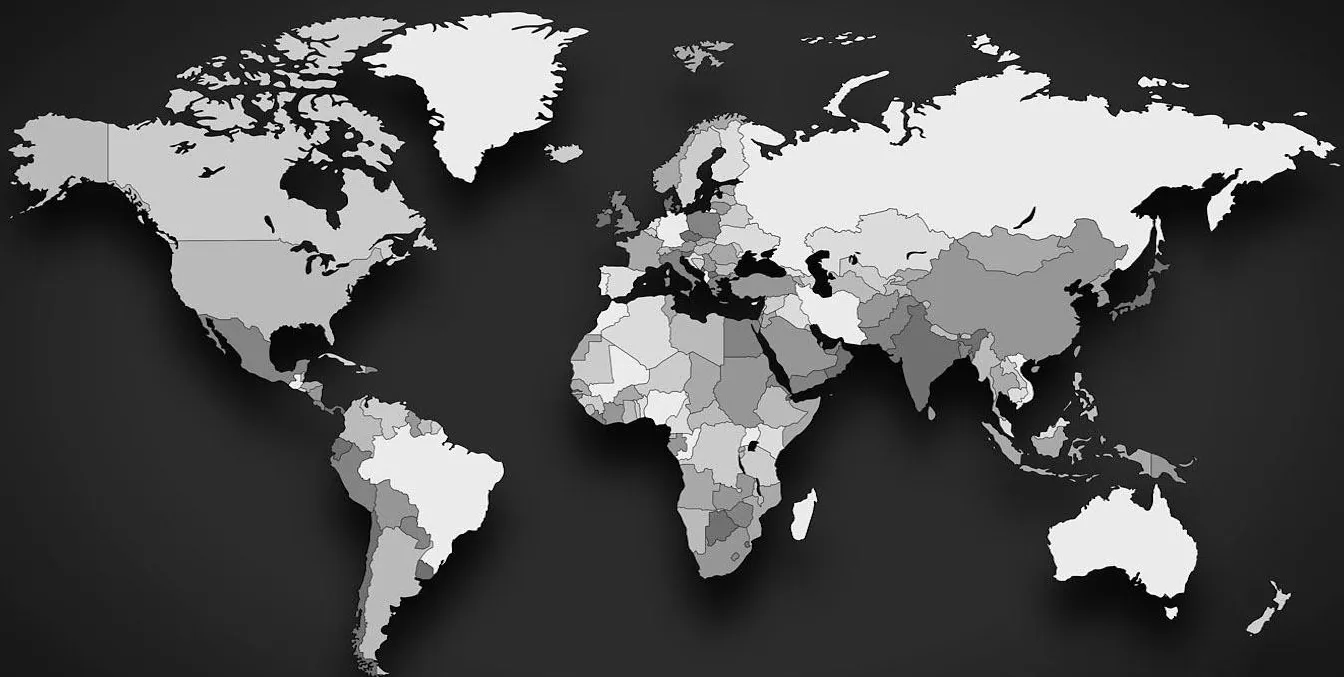
USA
UK
Europe
Japan
Australia
South Africa
USA
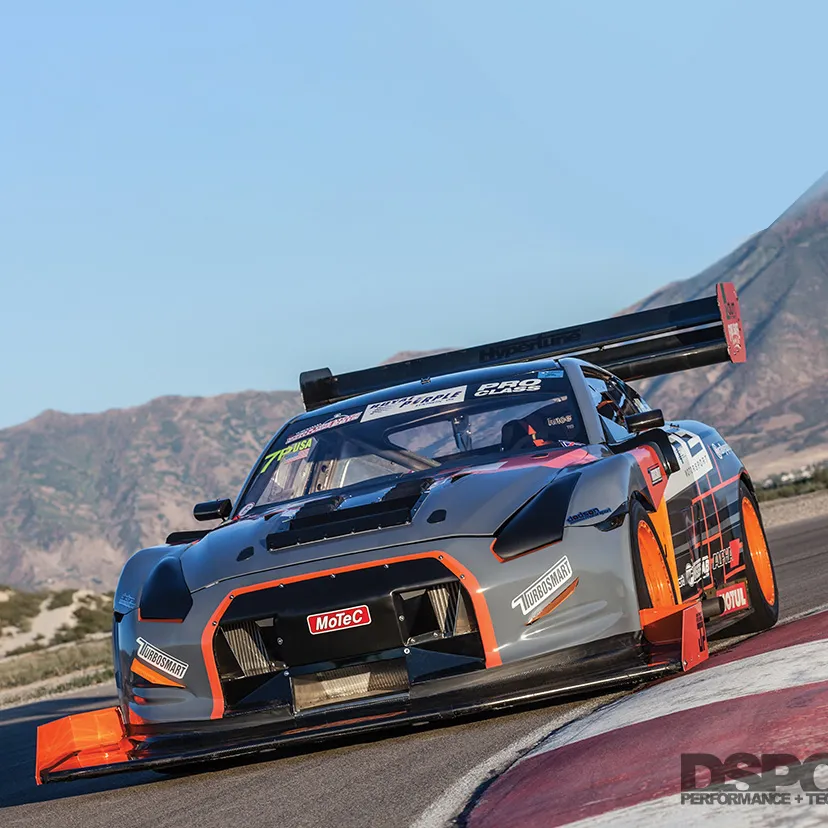
Lyfe GTR

Unplugged Performance Tesla Plaid
United Kingdom
Gobstopper 3
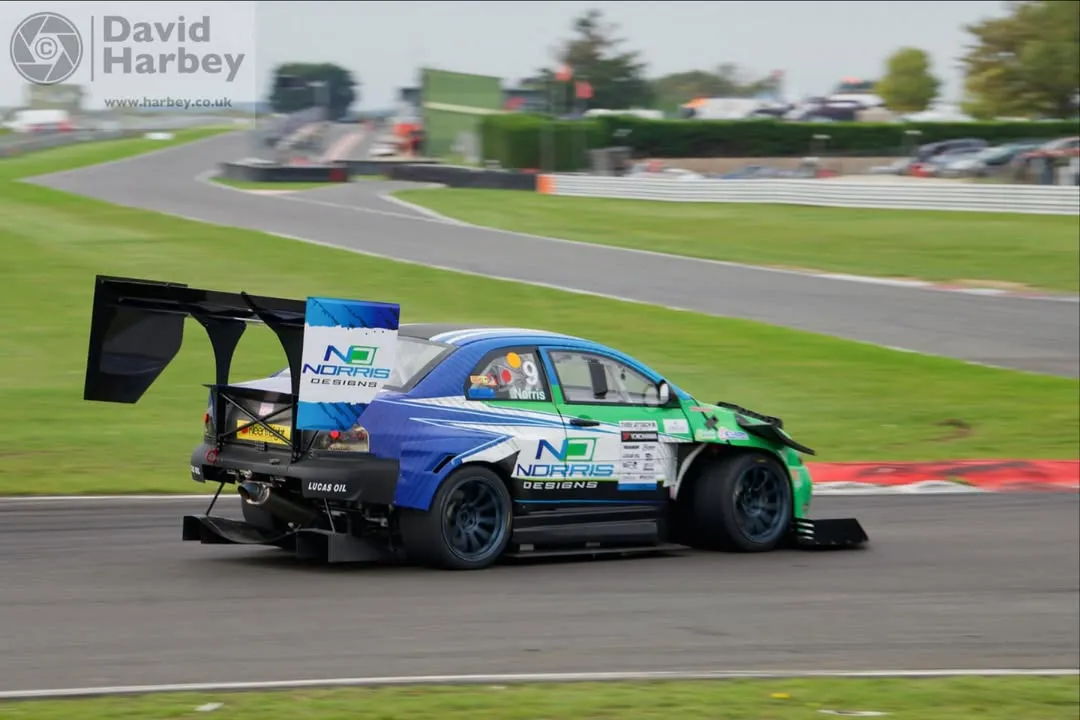
Norris Designs EVO
Europe
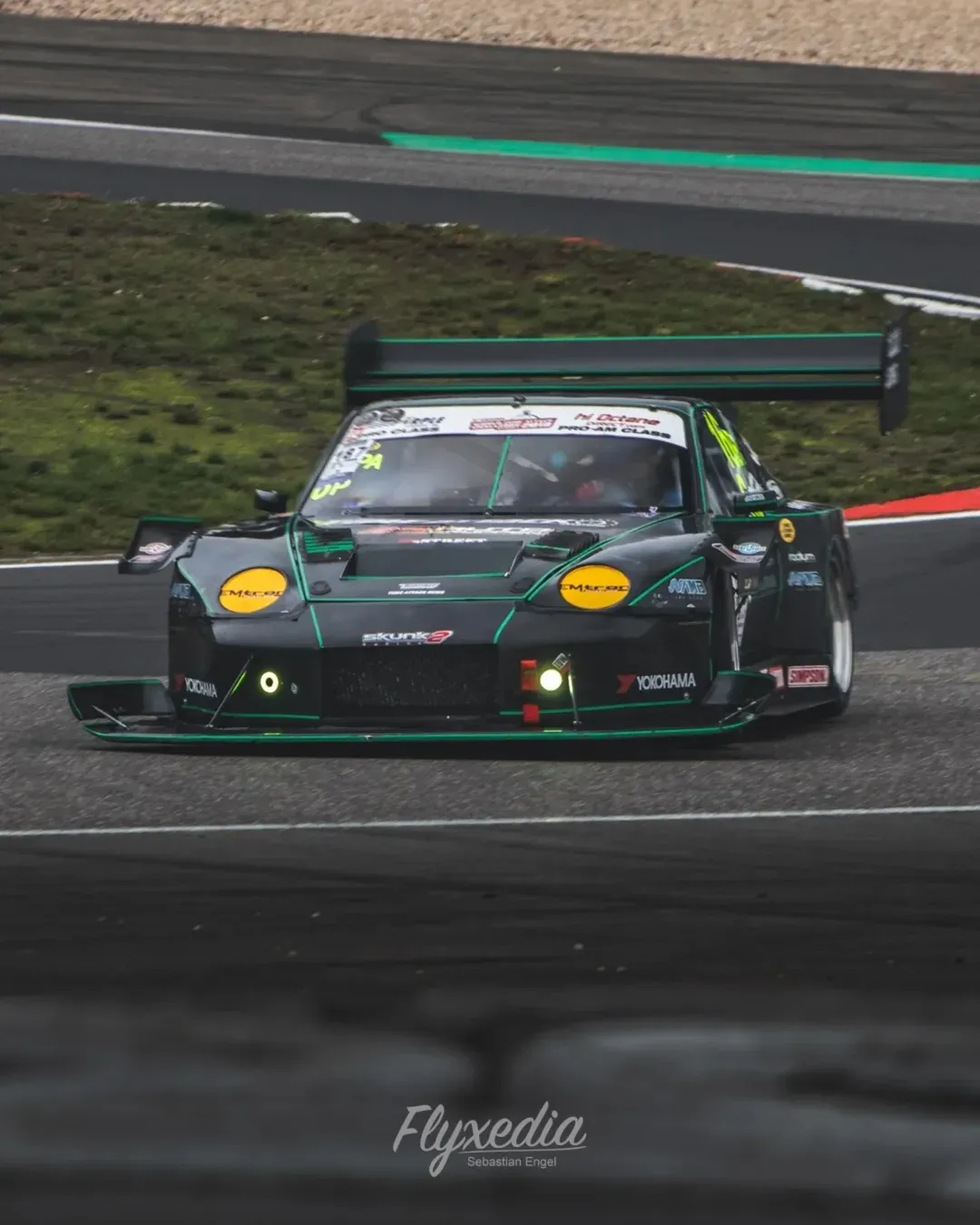
Revline Porsche 968
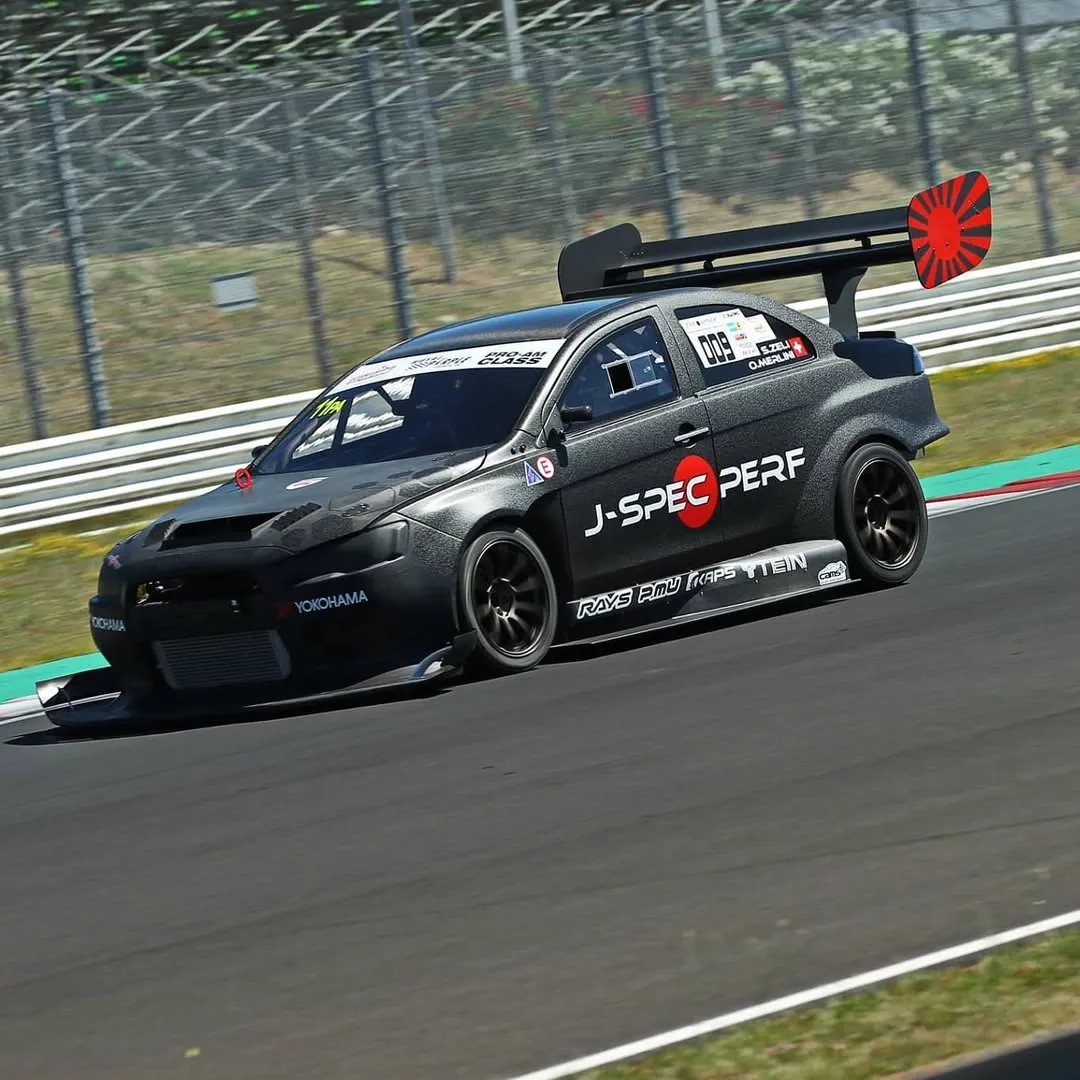
J-Spec EVO
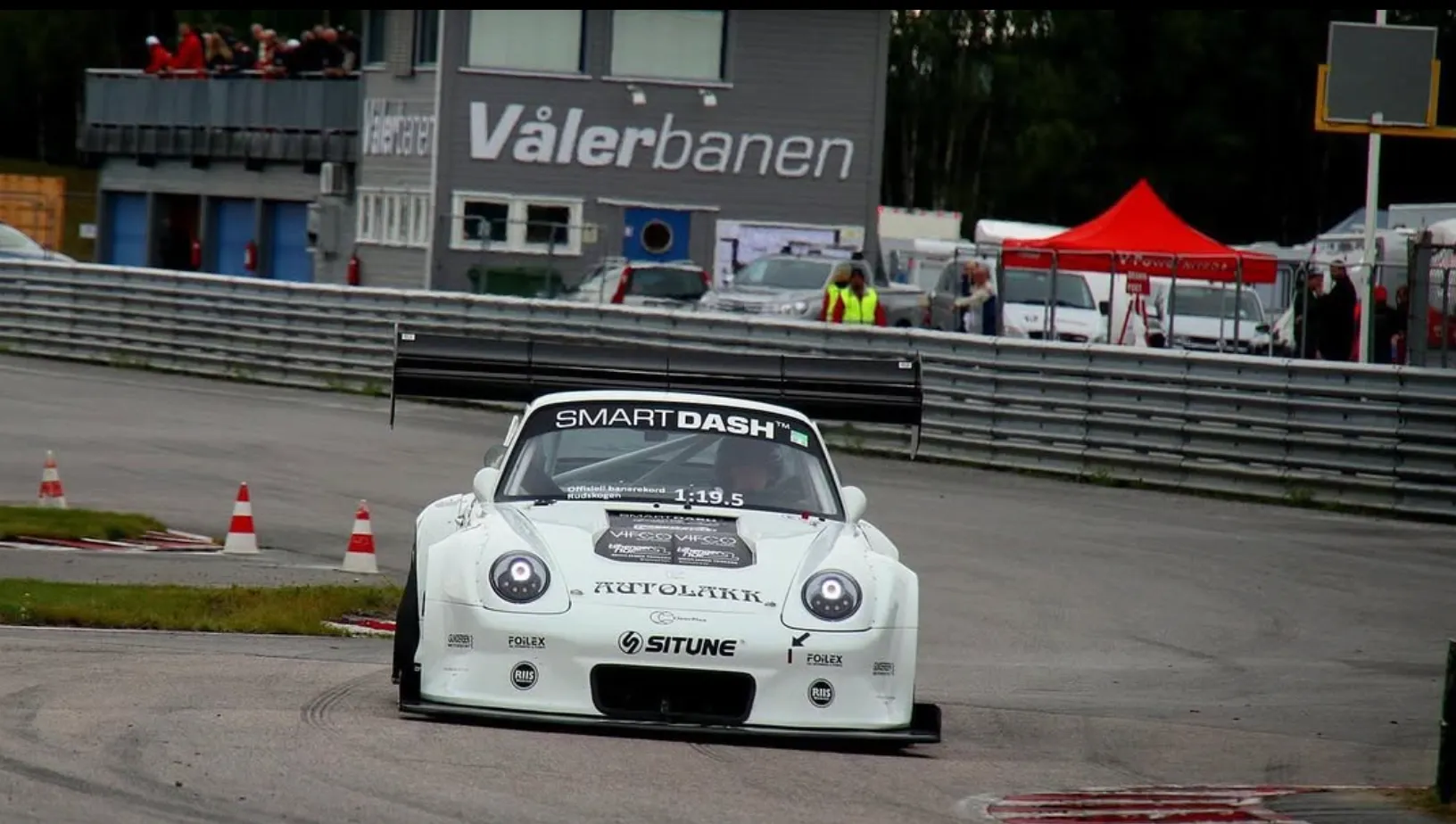
Vidar Frogner 993 GT2
Japan
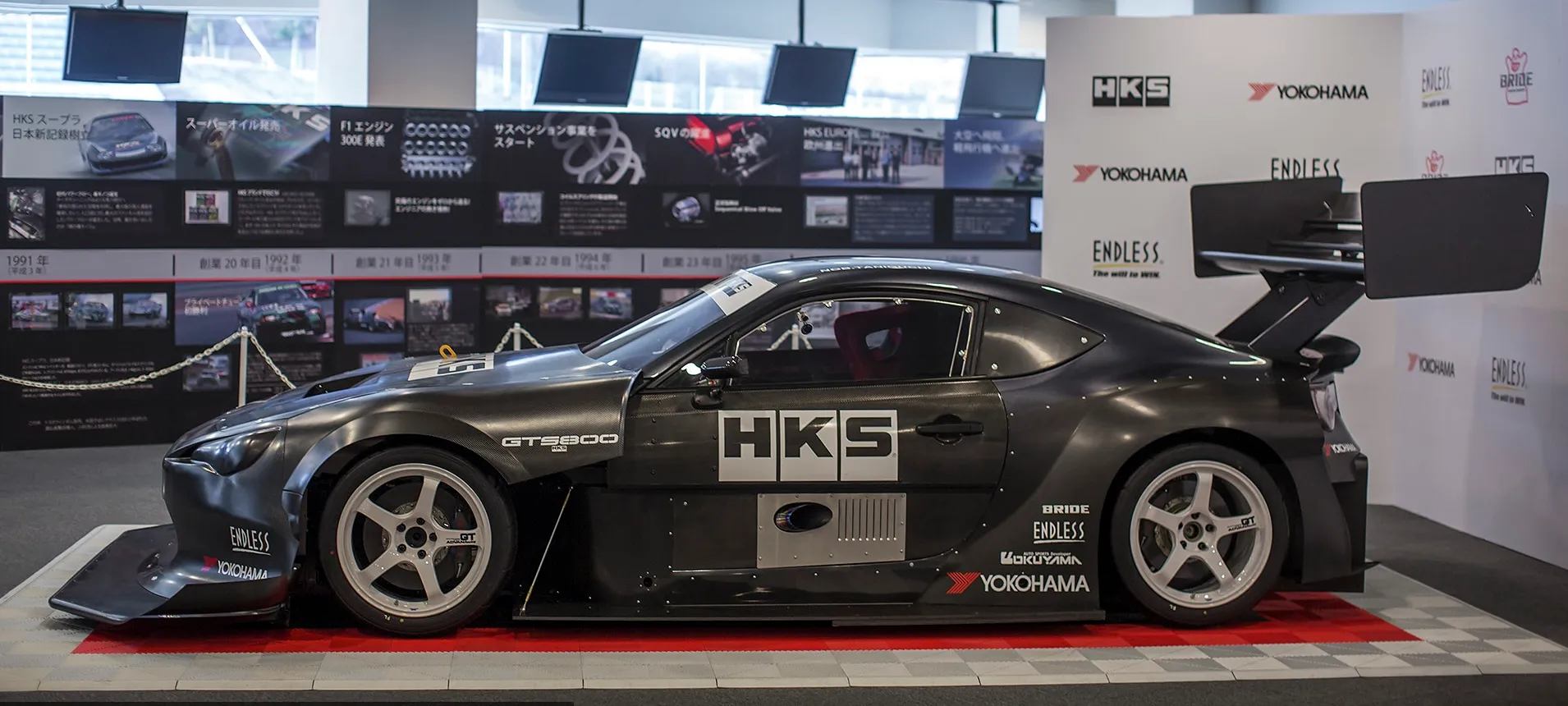
HKS TRB-03
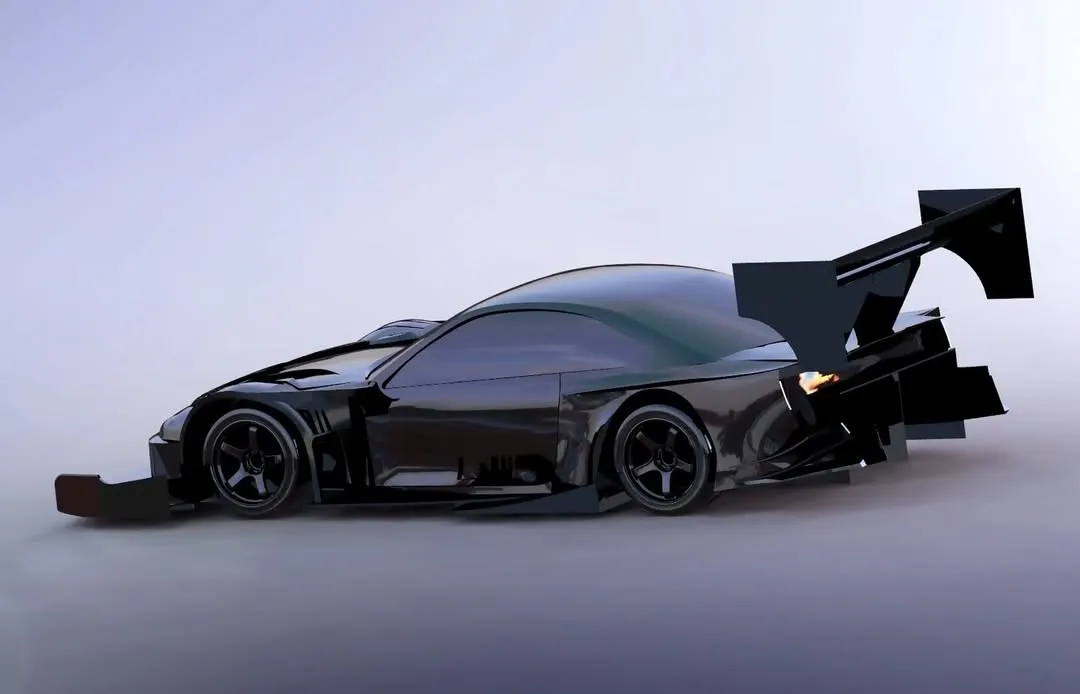
Under Suzuki S15
Australia
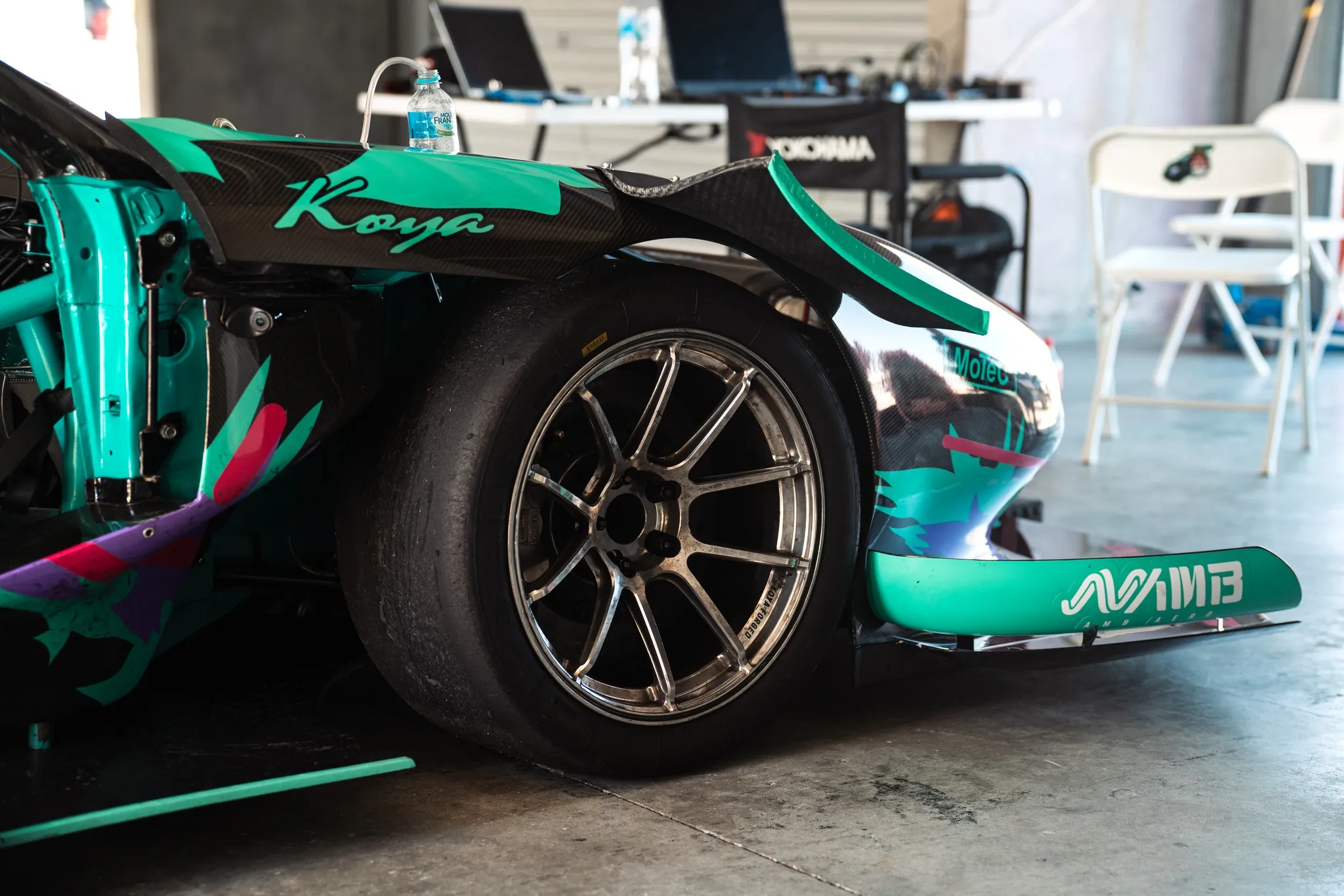
Tanuki S13 (ex-MCA)
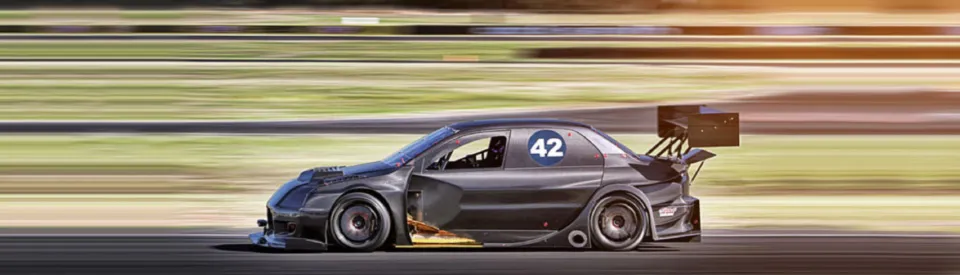
Nemo Racing EVO VII
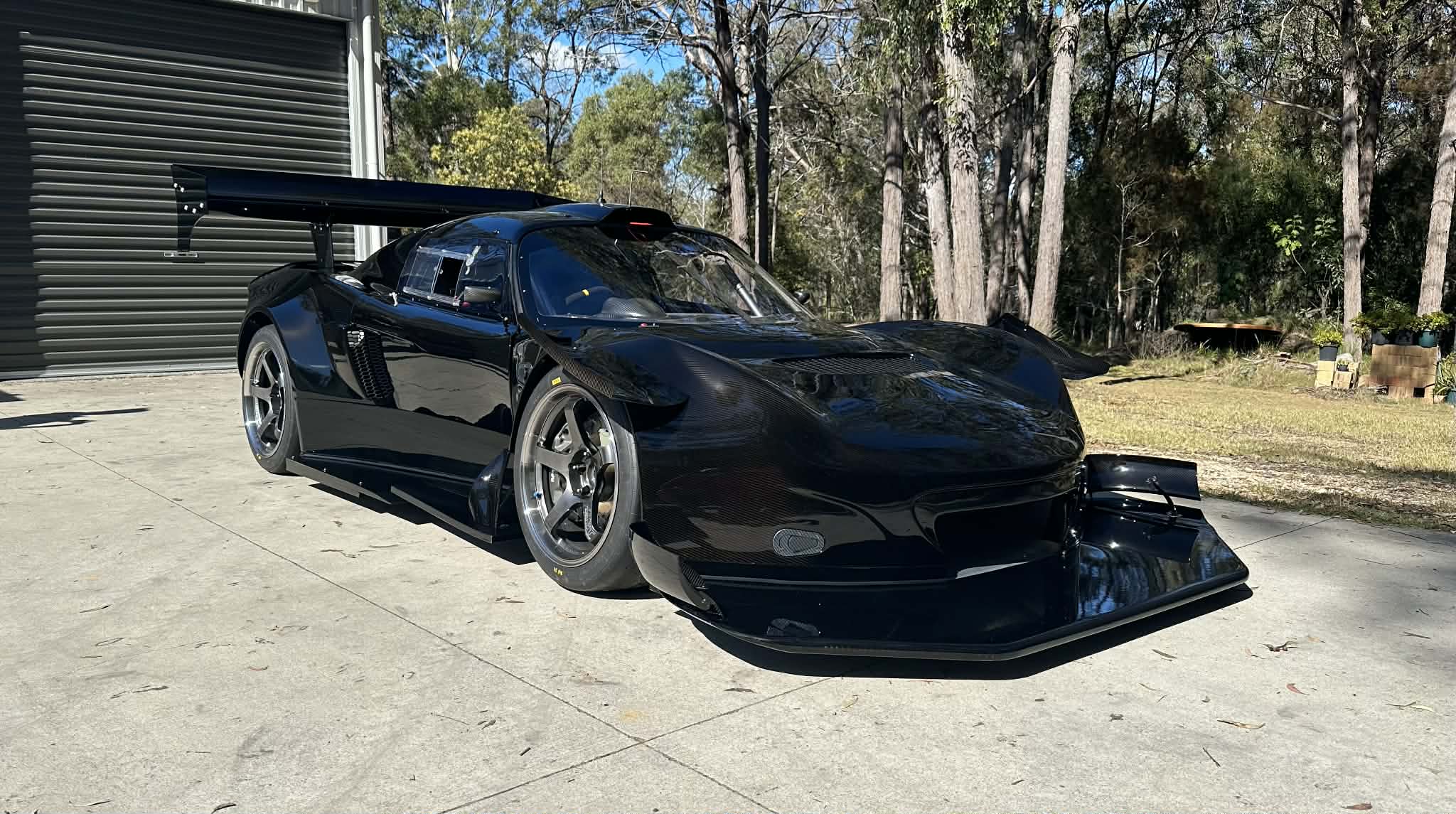
Scura Lotus Exige
South Africa
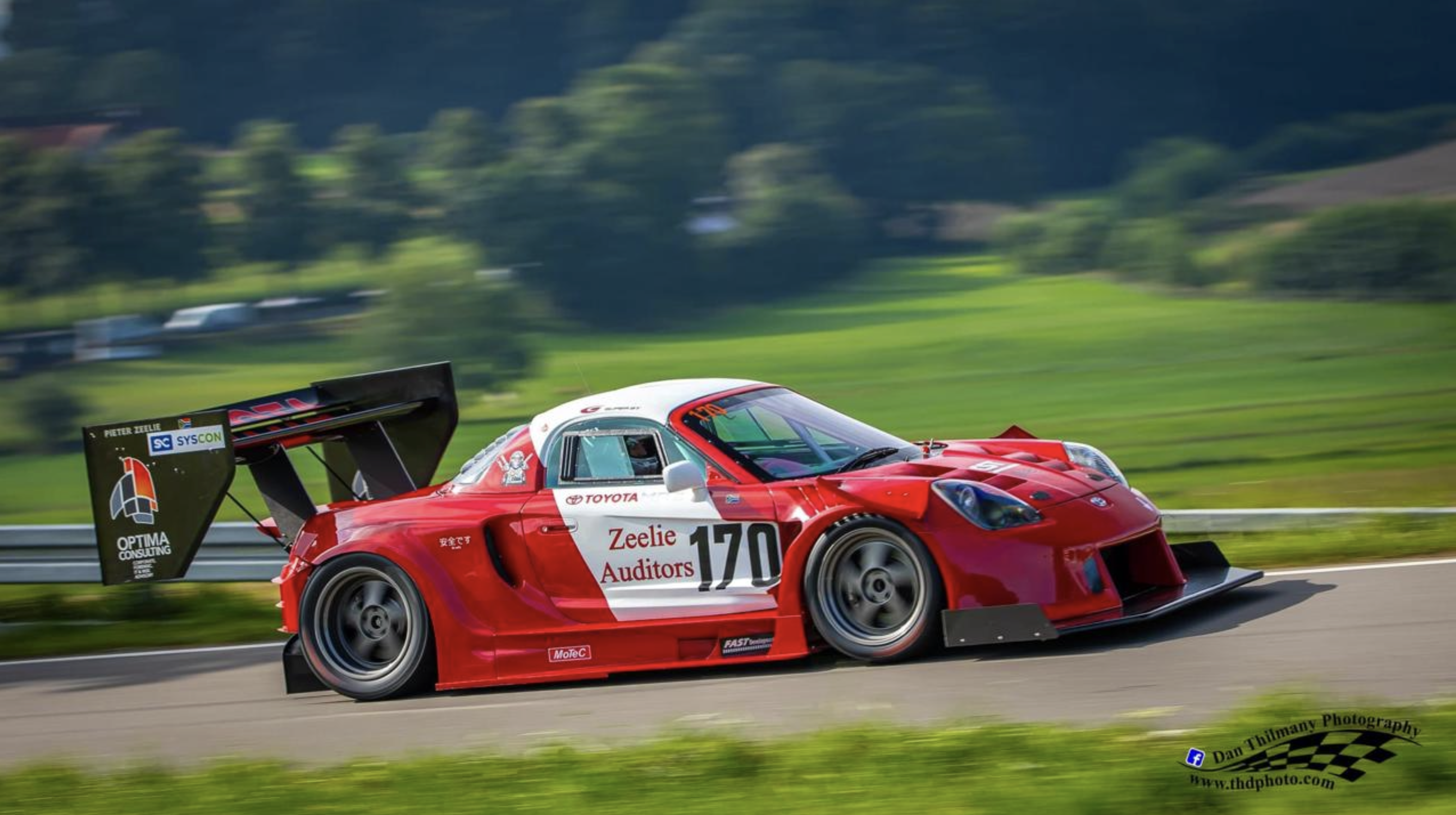
Pieter Zeelie Toyota MR2 Super GT
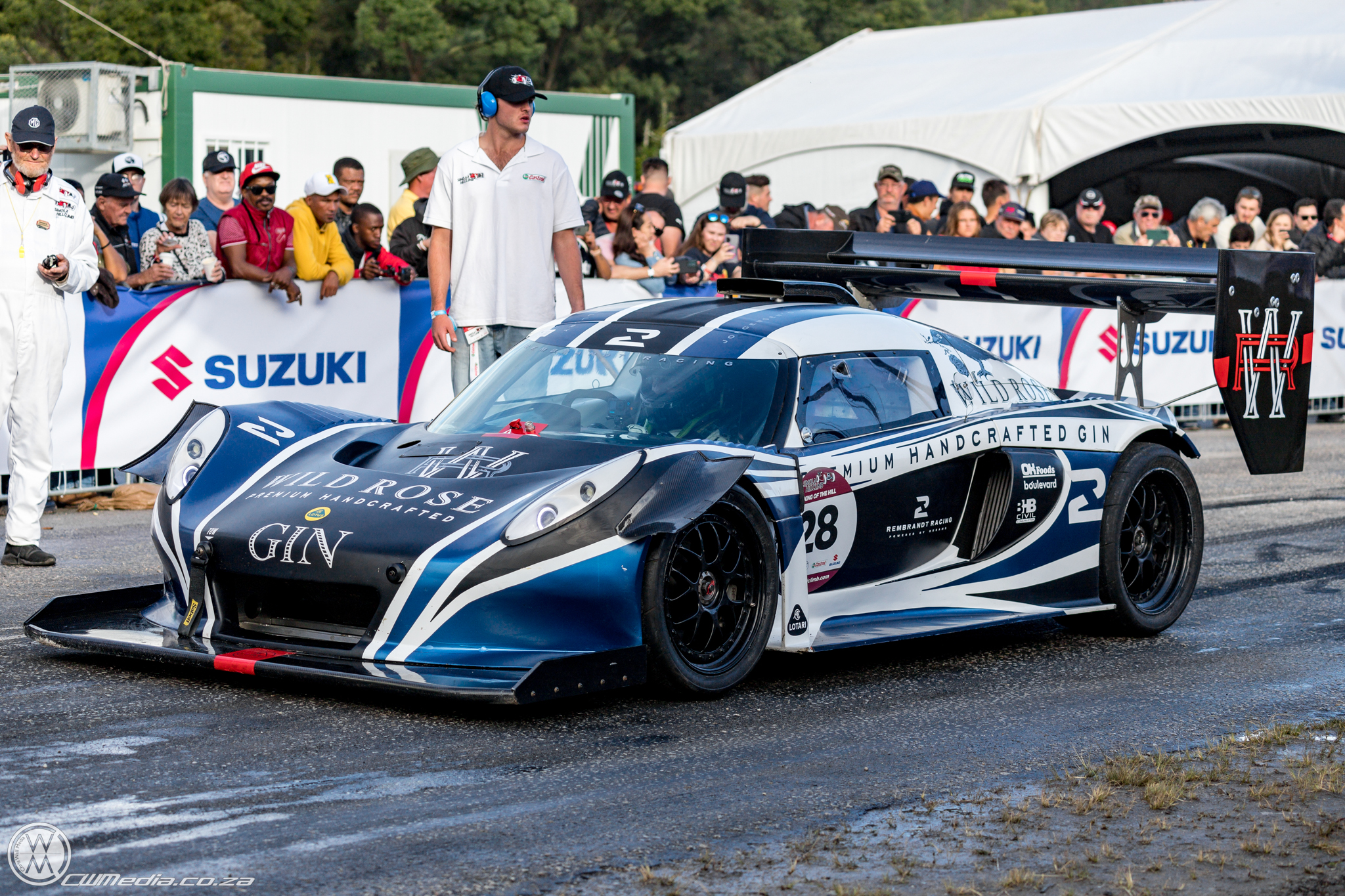
Dawie Joubert Lotus Exige "Lotari"
Recent press
Leading teams in motorsport and research rely on our CFD methodology and simulation infrastructure. Detailed case studies available under NDA.

Engineering excellence.
Proven results.
Applied Dynamics Research LLC · Berkeley, California USA