Press Portal

Championship victories, lap records, and technical innovations from Applied Dynamics Research and AMB Aero® programs worldwide.

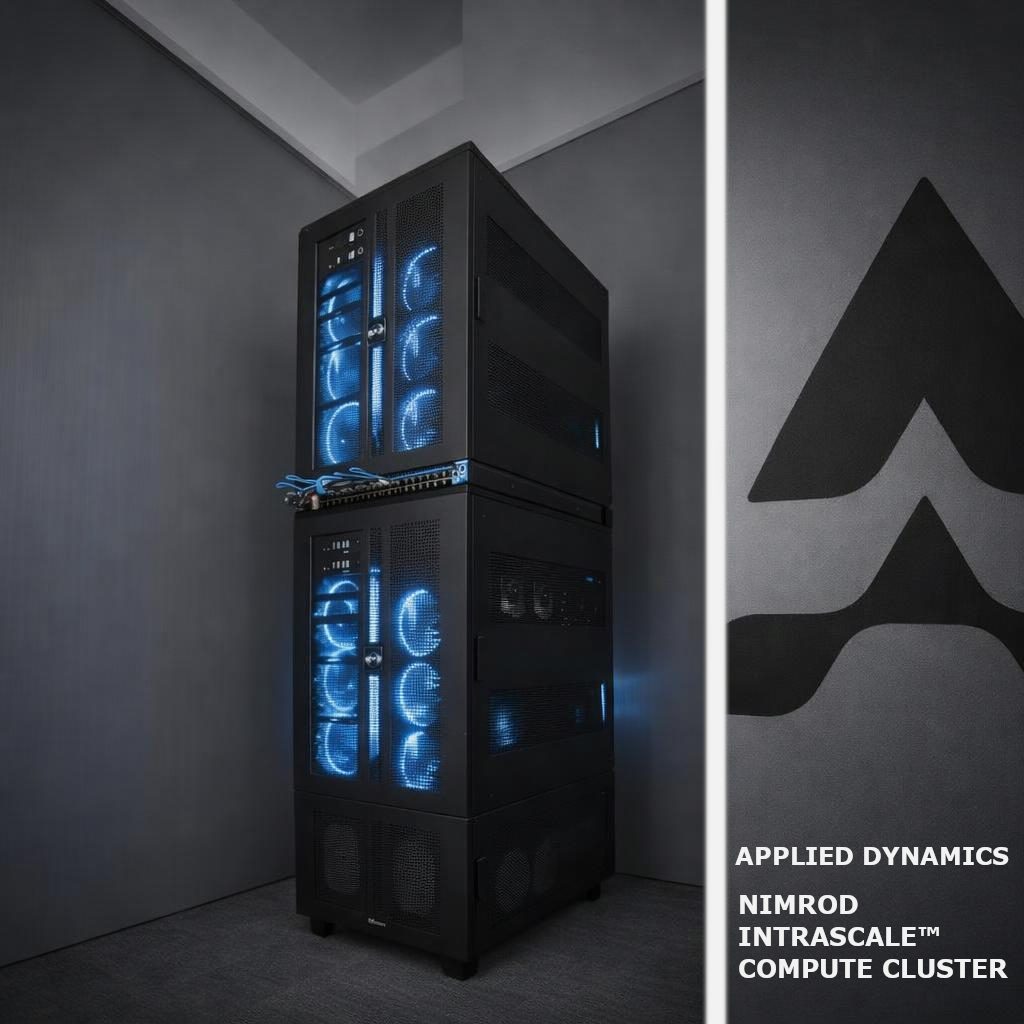
Nimrod Compute Cluster

Intrascale™ Nimrod Compute Cluster: More Tests Per Dollar Than Any Cloud Alternative

Fully amortized on-premise HPC obliterates cloud rental and SaaS platforms on cost-per-run — giving clients more CFD iterations per budget than any competing service. 640 EPYC cores, 10x NVIDIA RTX 8000 GPUs, 100Gb/s Infiniband, and zero egress fees.

More Iterations, Better Results, Lower Cost

Aerodynamic development is won on test count. The team that runs more iterations inside the same budget finds more downforce, less drag, and fewer surprises at the track. Running HPC workloads at this scale on cloud infrastructure costs tens of thousands of dollars per month. Because the Intrascale™ Nimrod cluster is fully amortized on-premise hardware, our per-run cost is 10–30x lower than cloud rental or SaaS platforms. That cost advantage translates directly to iteration count — our clients run 10–30x more CFD simulations for the same budget.

And the value doesn't stop at compute. Results are delivered through our interactive 3D visualization portal and immersive VR review sessions — capabilities that would cost tens of thousands in cloud data egress fees alone. With Nimrod, there are zero egress charges, zero third-party data exposure, and zero compromise on deliverable quality.

What Is Intrascale™?

Intrascale™ means supercomputer performance at office scale. Nimrod operates in a standard office environment — no dedicated server room, no industrial cooling, no acoustic isolation. The noise and heat output are managed to levels compatible with a normal working space. This is a full HPC cluster that fits where a small business actually works, delivering peak computational performance with the running costs of an office appliance, not a data centre.

Purpose-Built Infrastructure for Computational Aerodynamics

Applied Dynamics Research announces the Intrascale™ Nimrod Compute Cluster — a custom-engineered high-performance computing platform designed specifically for production CFD workflows and advanced simulation workloads.

Intrascale Nimrod Cluster

Hardware Specifications

  • Compute: 640 cores across 5 nodes — Dual AMD EPYC Milan 64-core processors per node
  • GPU Acceleration: 2x NVIDIA RTX 8000 per node (10 total) with 480GB total VRAM
  • Memory: 1.28TB system RAM — 256GB ECC per node
  • Network: 100Gb/s Infiniband EDR fabric via Mellanox SB7790 switch
  • Storage: NVMe flash tier with parallel filesystem for checkpoint/restart

Custom BIOS Tuning

Peak CFD throughput required more than off-the-shelf hardware. Custom BIOS configurations across all nodes were key to unlocking sustained performance — memory timings, NUMA topology, and power delivery tuned specifically for the memory-bandwidth and inter-node communication patterns of large-scale CFD solves. This is not a generic rack; every layer is optimised for one job.

Software Stack — In-House Custom CFD Solvers

Nimrod runs in-house custom CFD solvers developed and coupled directly to this hardware, alongside ANSYS Fluent with custom solver modifications. This tight integration between code and machine — automated mesh refinement, proprietary turbulence model calibrations validated against wind tunnel data from Nissan Technical Center — extracts performance that generic cloud instances cannot match.

Complete automation system handles on-demand cluster power management, job scheduling, and results post-processing — reducing engineer time-to-insight while maintaining full traceability.

Local AI Infrastructure

Frontier LLM models run entirely on-premise using DeepSeek R1 for research assistance and NDA-protected dataset analysis. Client data never leaves our facility — no cloud services, no third-party processing, no data exposure risk.

Production Capacity

Nimrod delivers the computational throughput to run full-vehicle CFD studies with rotating wheels, detailed underbody, and complete thermal management systems. Typical turnaround: initial results within 24 hours, full optimization studies within one week.

Cost Analysis: On-Premise vs. Cloud vs. SaaS

We frequently encounter questions about cloud computing alternatives. The following comparison reflects actual production costs for professional-grade CFD work:

Capability Intrascale™ Nimrod AWS HPC SaaS Platform*
Monthly Infrastructure Cost 1× (baseline) 20–50× 3–6×
Cost per Full-Vehicle Run 1× (baseline) 15–30× 3–10×
Mesh Cell Count 80–200M cells Unlimited (cost scales) 5–20M cells
Prism Layer Control ✓ Full (y+ targeting) ✓ Full ✗ Automated only
F1-Grade Mesh Density ✓ Standard ✓ Available ✗ Not supported
Rotating Wheels / MRF ✓ Full support ✓ Full support ✗ Limited/none
Custom Turbulence Models ✓ Wind tunnel validated ✓ User-defined ✗ Preset only
Data Security ✓ Always air-gapped ~ Cloud-dependent ✗ Third-party servers
Data Delivery Platform ✓ Custom portal + VR ~ S3 download ✗ Static images/PDF
Data Egress Costs ✓ None (local delivery) ✗ Per-GB charges add up ~ Limited exports

*Representative of browser-based CFD services. Specific capabilities vary by provider.

Methodology Requirements

Professional-grade simulation demands professional-grade input. Our workflow requires watertight, analysis-ready CAD geometry — surfaces must be properly trimmed, gaps closed, and intersections resolved before meshing. This preprocessing discipline eliminates the ambiguity that automated platforms mask with approximations.

The result: predictable, repeatable, wind-tunnel-correlated data. When the input is rigorous, the output is trustworthy.

Performance Benchmarks

The cluster delivers over 50 TFLOPS of computational performance, enabling simulation of complex aerodynamic phenomena previously impossible to resolve. The system runs advanced RANS and LES turbulence models, capturing transient flow structures and vortex shedding with microsecond temporal resolution. Mesh densities exceeding 500 million cells allow accurate prediction of boundary layer transition and separation.

This computational power translates directly to client success — development cycles reduced by 60%, with virtual testing replacing expensive wind tunnel hours. Recent projects have achieved drag prediction accuracy within 1% of experimental measurements.

For partnership and compute access inquiries, contact us directly.

Tanuki S13 WTAC Victory

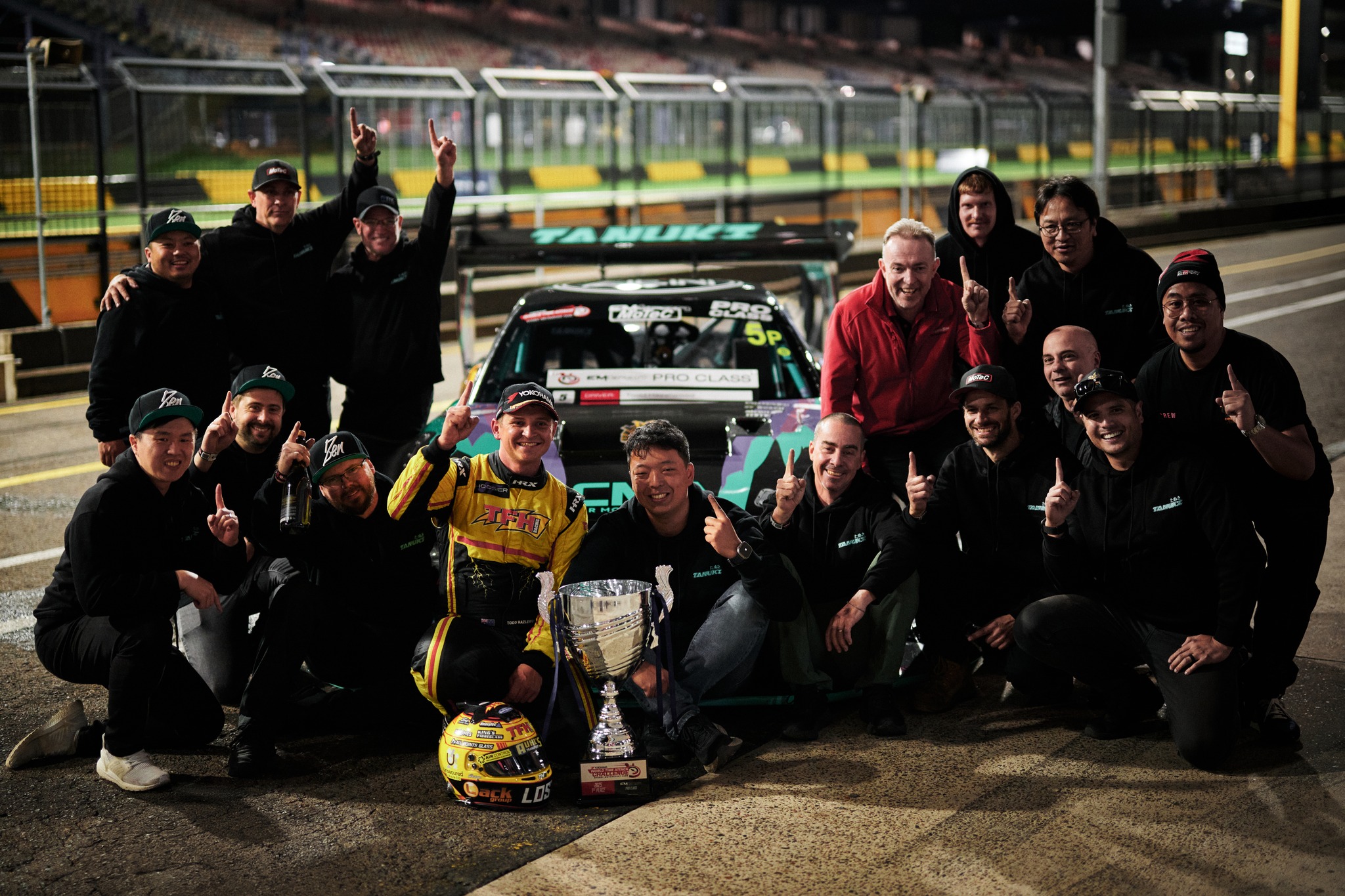
Tanuki S13 Claims 2025 WTAC Championship Victory

AMB Aero® secures its fourth World Time Attack Challenge championship title as the Tanuki S13 dominates the Pro Class, missing the outright lap record by just 0.5 seconds after a one-second improvement from 2023.

AMB Aero® secures its fourth World Time Attack Challenge championship title as the Tanuki S13 dominates the Pro Class, missing the outright lap record by just 0.5 seconds after a one-second improvement from 2023.

The legendary Nissan S13, powered by a 1100hp VR38DETT GT-R engine, showcased the evolution of AMB Aero®'s Infinity Wing technology. The 2025 package delivered 20% less aerodynamic drag than competitors while producing superior downforce across all speed ranges.

Driver comments emphasized the car's exceptional stability under braking and mid-corner adjustability - hallmarks of the AMB Aero® philosophy where aerodynamic balance takes precedence over peak numbers.

This marks AMB Aero®'s fourth WTAC championship (2016, 2017, 2023, 2025), cementing their position as the most successful aerodynamics provider in World Time Attack history.

Revline Nürburgring

Revline 968 Dominates European Time Attack Masters at Nürburgring

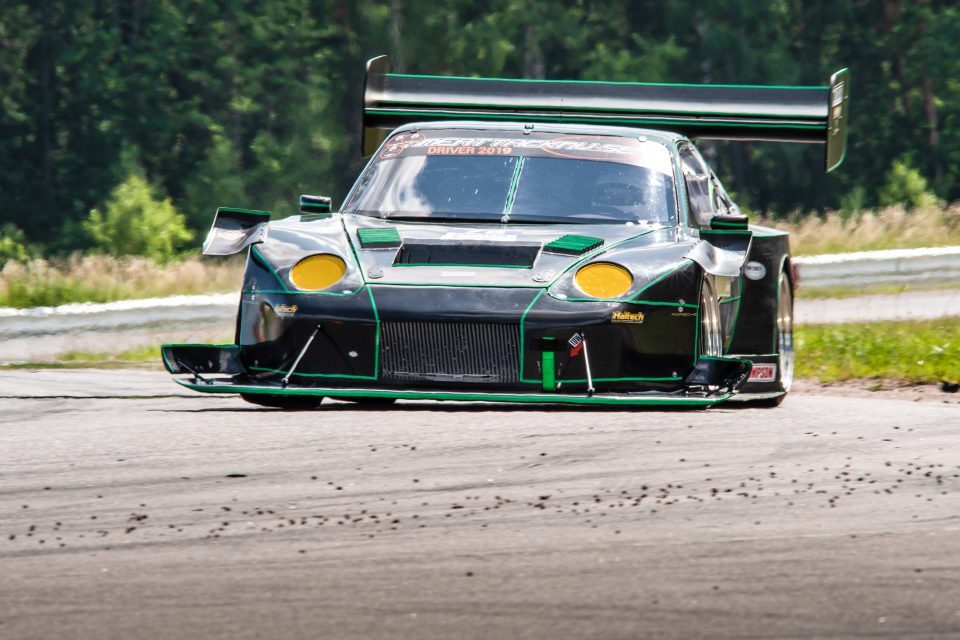
Against Europe's most advanced cars, Revline Racing's Porsche 968 with AMB Aero Pro Racer+ package took P1 overall, beating 1360hp Fat Cat R8 by 1.6 seconds despite 40% less power.

Against Europe's most advanced & accomplished cars, Revline Racing's Porsche 968 — running our AMB Aero Pro Racer+ package with Infinity Wing — took P1 overall at the Nürburgring during the European Time Attack Masters.

The R8 1:1 "Fat Cat" entered as the favorite: a 1360-hp monster with nearly 40% more power and achieved a higher top speed on the day. On paper, that should have been unbeatable.

But the Revline 968 had something different — efficiency, balance, and a team that knew how to use it. The Infinity Wing front architecture reshapes the flow around the nose to remove drag, stabilize yaw, and build consistent load. Combined with Alx Danielsson's precision behind the wheel and Gustaf Burström's relentless development, the car stayed planted where others fought for traction — translating to 11% less drag and 1.6 seconds quicker over a lap.

Forty percent less power. Thirty kilometers slower. Eleven percent less drag. Still 1.6 seconds quicker.

"There is a clear acceleration gap in both mid and low speed from the data. From published power figures that works out to us having 11% less drag. To gain so much in the corners while having less drag — that's what happens when everything comes together: the aero, the driver, and the setup. This was truly a group effort, and full credit to the team for turning efficiency into performance." — Andrew Brilliant, AMB Aero

Zeelie MR2

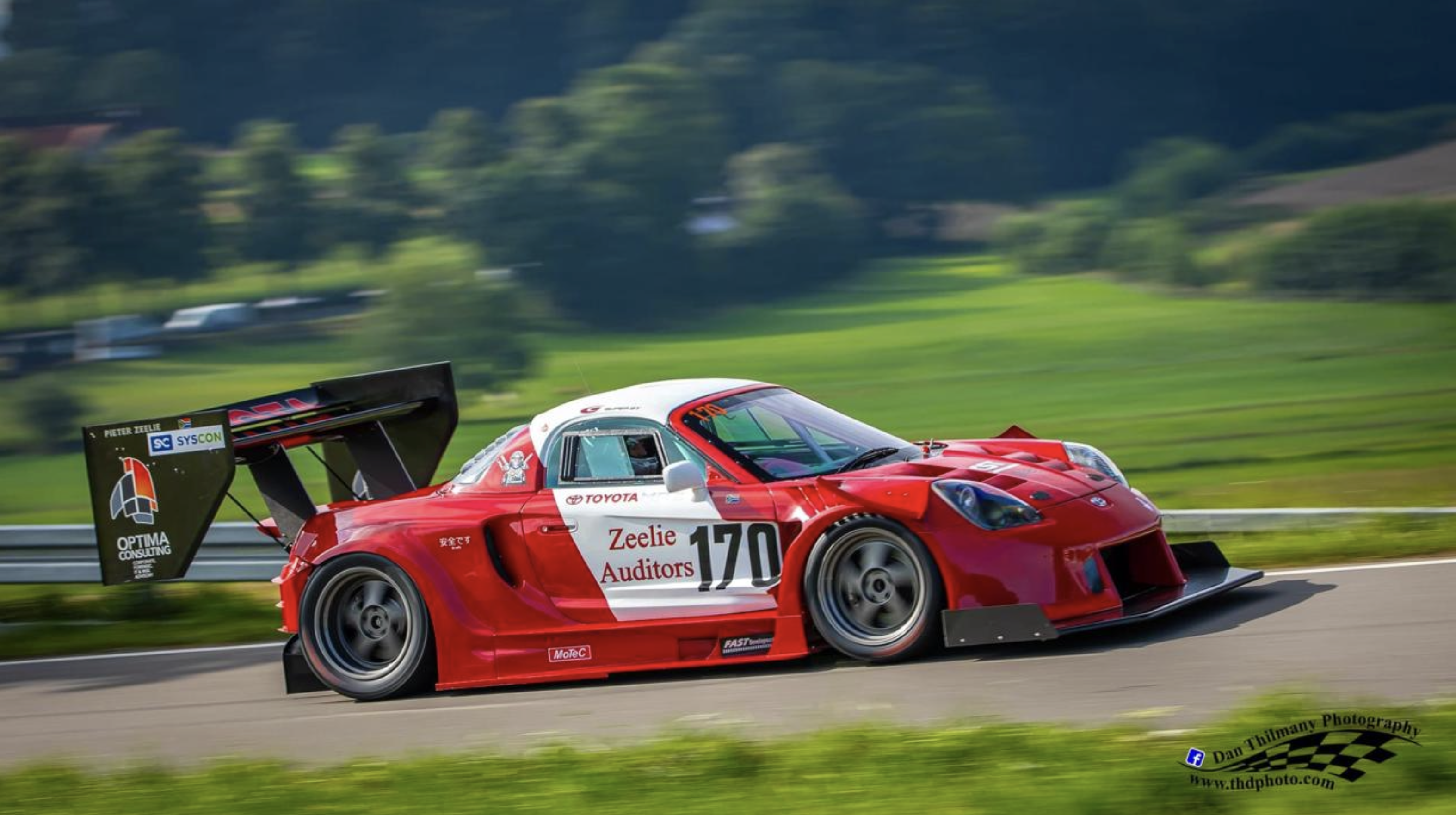
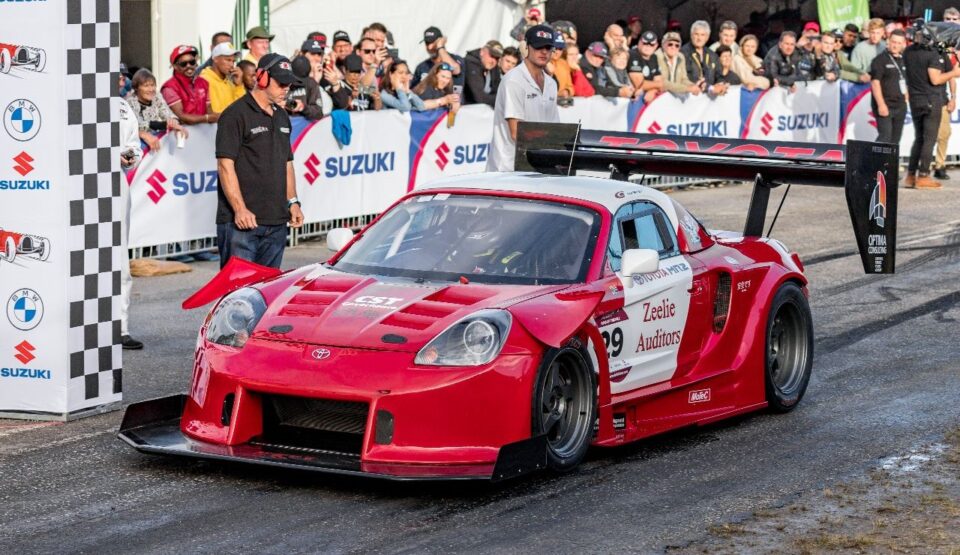
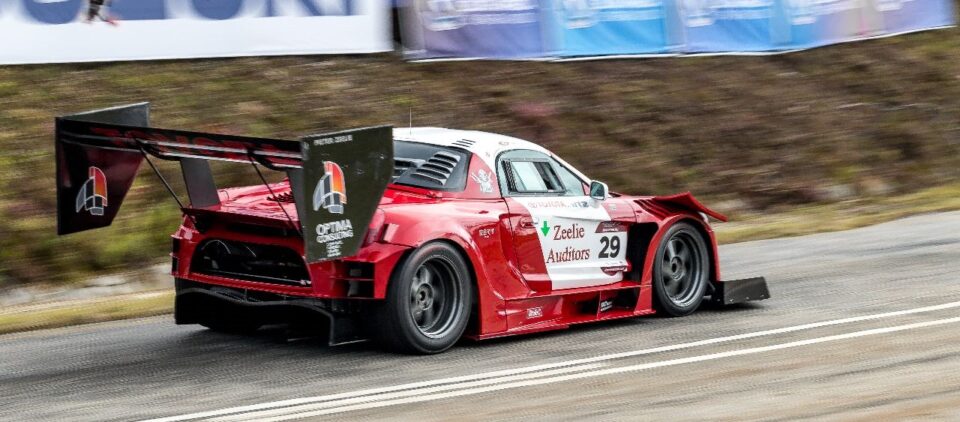
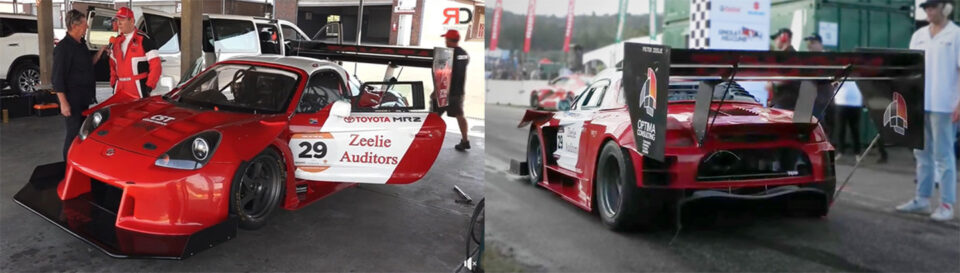
Zeelie's MR2 Dominates Simola Hillclimb

First RWD car to defeat 4WD GT-Rs at Simola, setting new record of 37.090s with Applied Dynamics Research aerodynamics.
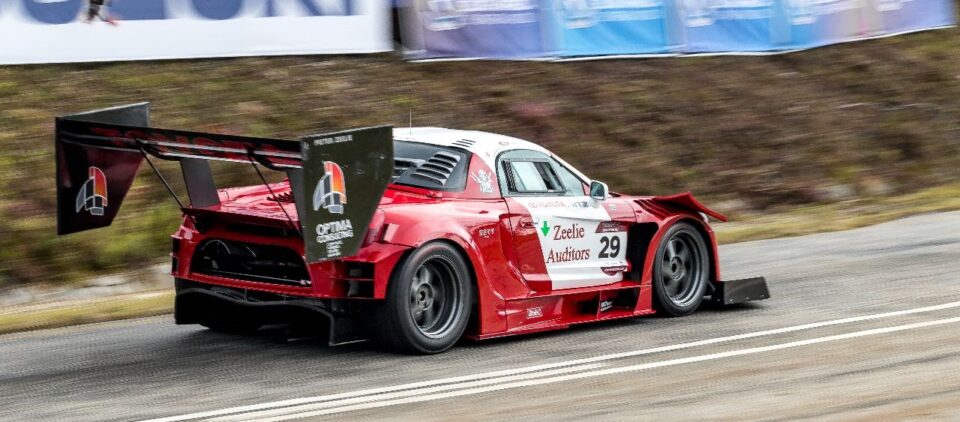
Peter Zeelie's Toyota MR2: Fastest RWD Result at Wet Simola Hillclimb 2023

Peter Zeelie achieved this years-long dream of taking the King of the Hill title at the Knysna Simola Hillclimb in 2021, having won the shootout for Modified Saloon Cars that year with a time of 40.402, driving a self-built Toyota MR2 (MR-S ZZW30).

Since then, he's been busy finding ways to make the car even faster and bring the fight back to the all-wheel drive cars that nowadays dominate the category for road-based cars.

Peter Zeelie's Toyota MR2 at Simola MR2 in action at Simola

The Challenge of RWD

"It's not easy to win Simola with a 2WD car. In the past we took some data, 4WD cars can gain 1.5-1.8 seconds on us just on the first corner, and making that up is very difficult" -commented Peter in-between practice sessions in this year's 2023 run.

"I also have less power. Engine-wise we've been reliable and don't want to chase more power"

MR2 wide angle view

Peter's MR2 is of course not running the original 1ZZ-FE engine, and instead relies on a Toyota 2GR-FE 3.5L V6. Unlike the stock V6 found on cars like the Camry or Lexus RX350, this one has been turbocharged and strengthened to produce north of 800 horsepower in a reliable, consistent fashion.

AMB Aero Partnership

Further developing the winning package from 2021 has proven challenging however: "In 2021 the car handled beautifully, in 2022 we made lots of changes and we went backwards in some of the areas", said Zeelie. The King of the Hill Shootout time for 2022 was 41.560, more than 1.5 seconds slower than in 2021.

"For us, aero is a black science, so we decided go get a specialist to assist us. We worked with Andrew Brilliant from AMB Aero, which we knew from his successes advising projects in WTAC, NASCAR, F1 and so on. He flew all the way from Japan to South Africa, then 3D scanned the whole car, and did the CFD analysis with a massive computer back at home."

MR2 Aerodynamic Development

"Because we were going to manufacture the parts ourselves and didn't have much time to prepare for the upcoming season, we asked AMB to keep things simple. We got our car 3D scanned by Andrew in November, and in January he had sent us all the parts drawings and CAD files."

Aerodynamic Revolution

AMB Aero estimates the new aero package to double the previous downforce levels. "With the extreme downforce provided by the new aerodynamics, we had to change a lot of things, like control arm mounting points. Of course we had to revise the suspension because of the car being pushed into the ground much more. This year we also changed from intercooler to charge cooler setup".

Andrew Brilliant said: "Peter's team started with a rear wing taken from a prototype car and made some best guesses regarding aero configuration. This took them as far as winning the event once, but it cannot compare with a bespoke solution. Despite doubling the downforce, in the first testing sessions the MR2 already hit the same top speeds as before -power curve unchanged- which highlights the efficiency of the new aerodynamics. Increasing downforce without adding drag is the ultimate goal".

Multi-Series Design

The updated aerodynamics also had to work within the envelope of several series regulations, including the FIA International Hillclimb Cup, in which Peter's team also participates. This means the front splitter was limited in size to match the width of the body-work.

"AMB always provides a custom, integral solution for each customer, adapted to the series they race in. The large front aero solutions employed by our most well known time attack customers are just but one weapon in our arsenal. We deliver downforce solutions adapted to the constraints set by the rulebook, budget and/or manufacturing capabilities".

2023 Results

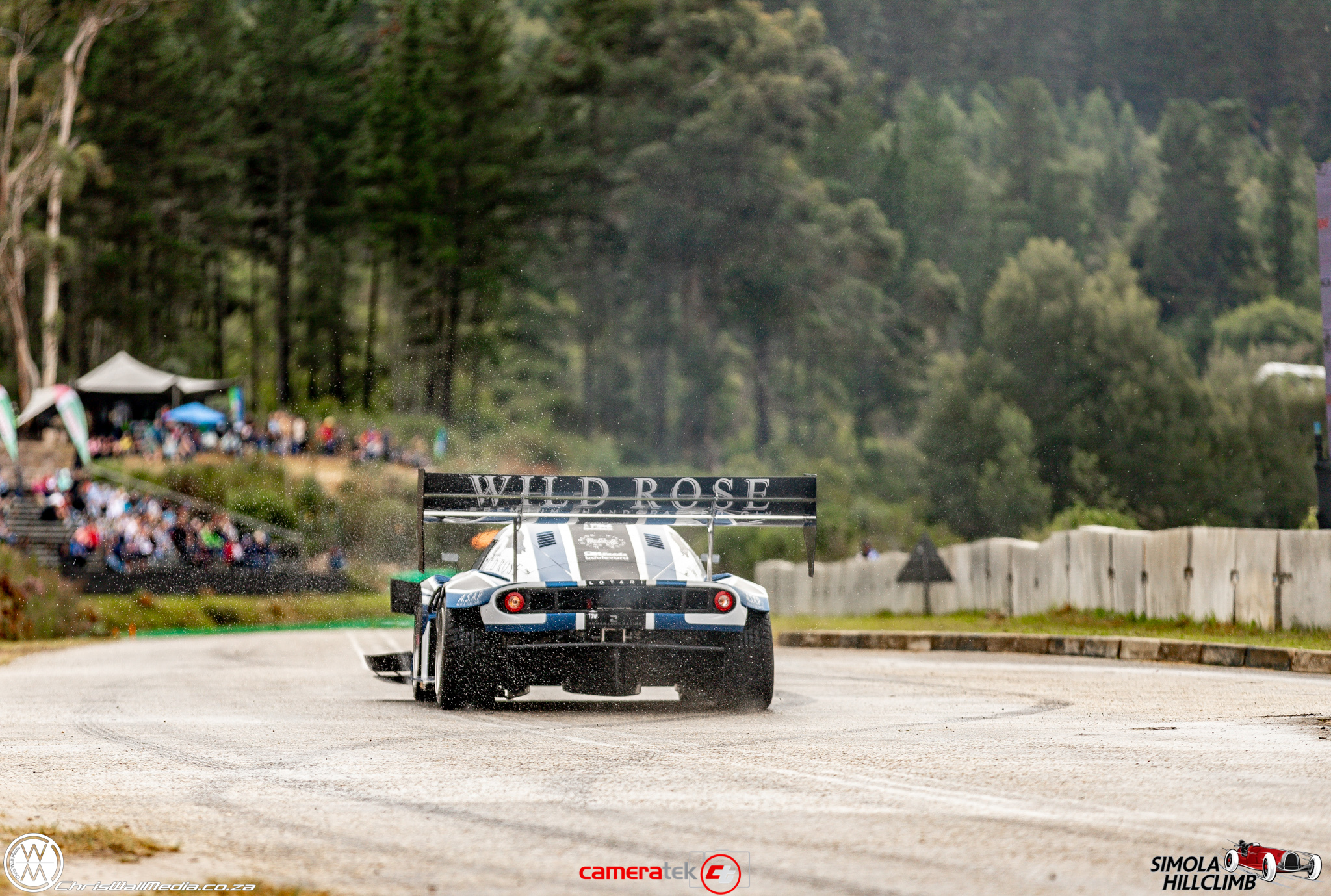
The weather conditions during the 2023 Simola Hillclimb event were not ideal, with light rain being present during most sessions. Peter Zeelie posted the fastest 2WD lap time in the King of the Hill Modified Saloon Car Shootout at Simola, with a 41.722 in damp-road conditions, slotting in between his 2021 and 2022 times -both achieved in a dry course.

Despite less than perfect road conditions, the team also achieved their best lap-time ever during one of the qualifying sessions, with a 40.104 - breaking the 40-second barrier for the first time.

MR2 at speed MR2 cornering

Technical Specifications

  • Engine: Toyota 2GR-FE 3.5L V6 Turbocharged
  • Power: 800+ horsepower
  • Aerodynamics: Custom AMB Aero package with 100% increase in downforce
  • Suspension: Fully revised for increased aero loads
  • Best Time: 40.104 seconds (qualifying)
  • Fastest RWD time in wet conditions: 41.722 seconds
Dawie Joubert Lotus Exige Lotari

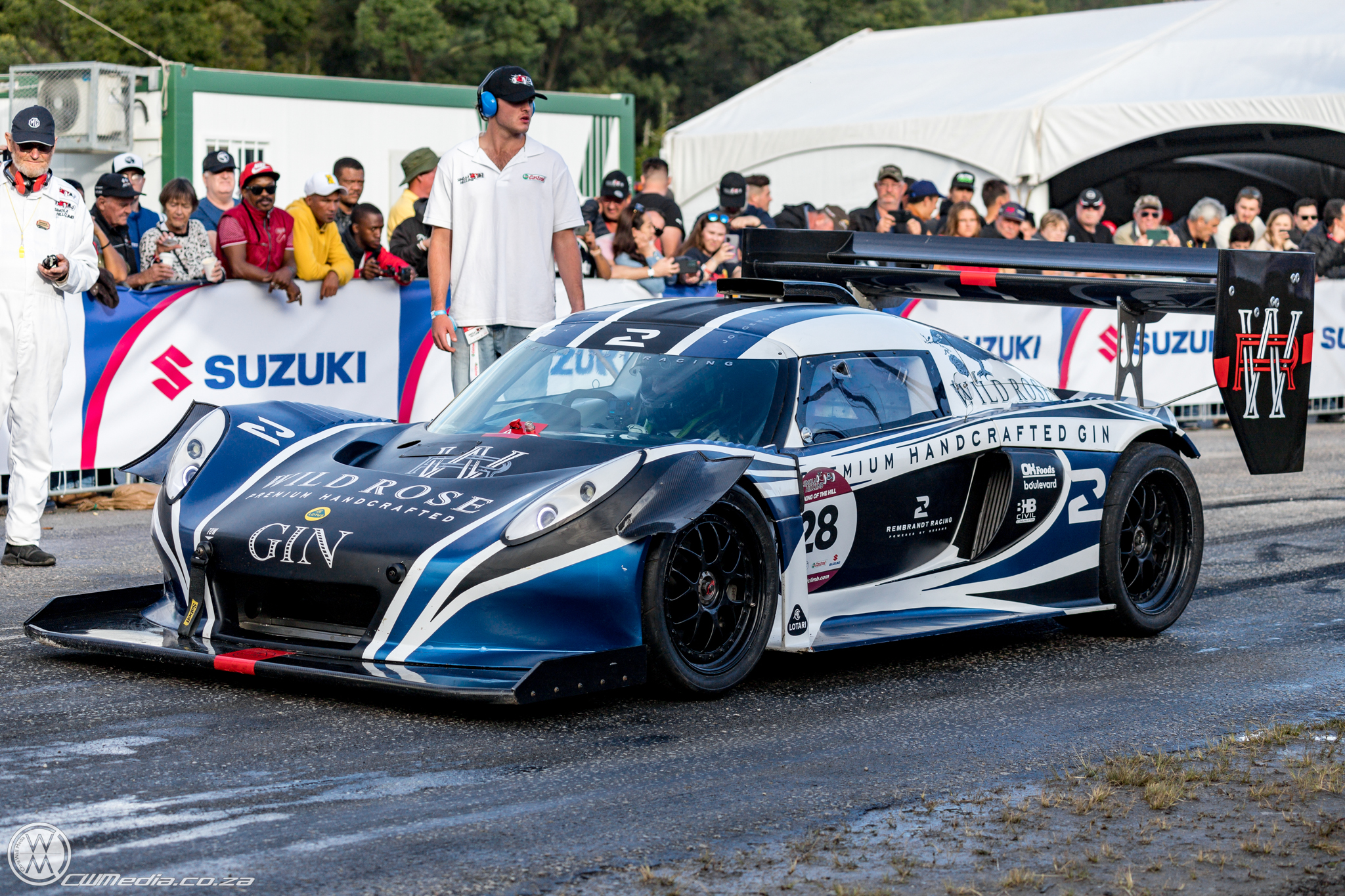
AMB Aero Locks Out Simola Hillclimb: Joubert 1st, Zeelie 2nd

Two AMB Aero cars finish first and second at King of the Hill — the first 1-2 lockout in Simola history for a single aerodynamics provider.

AMB Aero 1-2 at the Knysna Simola Hillclimb

At the 2024 Simola Hillclimb in Knysna, South Africa, two rear-wheel drive cars designed by AMB Aero finished first and second in the Modified Saloon Car King of the Hill shootout — locking out the top two positions against a field of all-wheel drive machinery.

Dawie Joubert claimed his first King of the Hill title in his Lotus Exige "Lotari" with a time of 38.405 seconds at an average speed of 178 km/h. Just a tenth behind, Pieter Zeelie finished second in his Toyota MR2 Super GT. Both cars run full AMB Aero aerodynamic packages designed by Andrew Brilliant.

Dawie Joubert Lotus Exige at Simola Hillclimb

The Lotari

Dawie's Lotus Exige is unlike any other. The lightweight chassis — just 1,025 kg — is powered by a twin-turbocharged Ferrari F154 V8 from a 488, producing 925 hp and over 900 Nm of torque through a six-speed sequential transaxle. The engine has been progressively developed: 765 hp in 2022, 870 hp in 2023, and the full 925 hp package for 2024.

Keeping that power planted through Simola's narrow, undulating 1.9 km course is the AMB Aero package — a bespoke aerodynamic solution designed by Andrew Brilliant, adapted to hillclimb regulations and the unique challenges of a course with elevation changes, blind crests, and no run-off.

RWD Beats AWD — Again

Simola's King of the Hill has historically been dominated by all-wheel drive cars. The traction advantage of AWD on the steep, technical course is enormous — data shows 4WD cars can gain 1.5 to 1.8 seconds on the first corner alone.

Yet in 2024, both AMB Aero cars — both rear-wheel drive — finished ahead of every AWD competitor. Joubert's 38.405 came within 0.276 seconds of Franco Scribante's outright Modified Saloon Car record (38.129, set in 2022 with a Nissan GT-R). A RWD car nearly matching an AWD record on a hillclimb course is an aerodynamic statement.

"The car was exceptionally well prepared by the team and gave me a lot of confidence. This is such a great event that just gets better and better each year." — Dawie Joubert

The 1-2

Two cars designed by the same aerodynamicist, on the same hill, separated by a tenth of a second — and both ahead of the rest. This wasn't coincidence. Both the Lotus Exige and the Toyota MR2 run AMB Aero packages tailored to hillclimb regulations, where front splitter dimensions are limited by bodywork width and rear aero must balance efficiency with stability through elevation changes.

The result: AMB Aero's first 1-2 lockout at a major international hillclimb event.

Technical Specifications — Joubert Lotus Exige "Lotari"

  • Engine: Ferrari F154 3.9L Twin-Turbo V8 (from 488)
  • Power: 925 hp / 900+ Nm
  • Weight: 1,025 kg
  • Transmission: 6-speed sequential transaxle
  • Aerodynamics: Full AMB Aero® bespoke package
  • Result: 38.405s — King of the Hill Modified Saloon Car Champion 2024
Gobstopper3

Gobstopper3 Shatters Brands Hatch Record

Roger Clark Motorsport's ADR-equipped BRZ obliterates 9-year record by 3.6 seconds at the home of UK Time Attack.

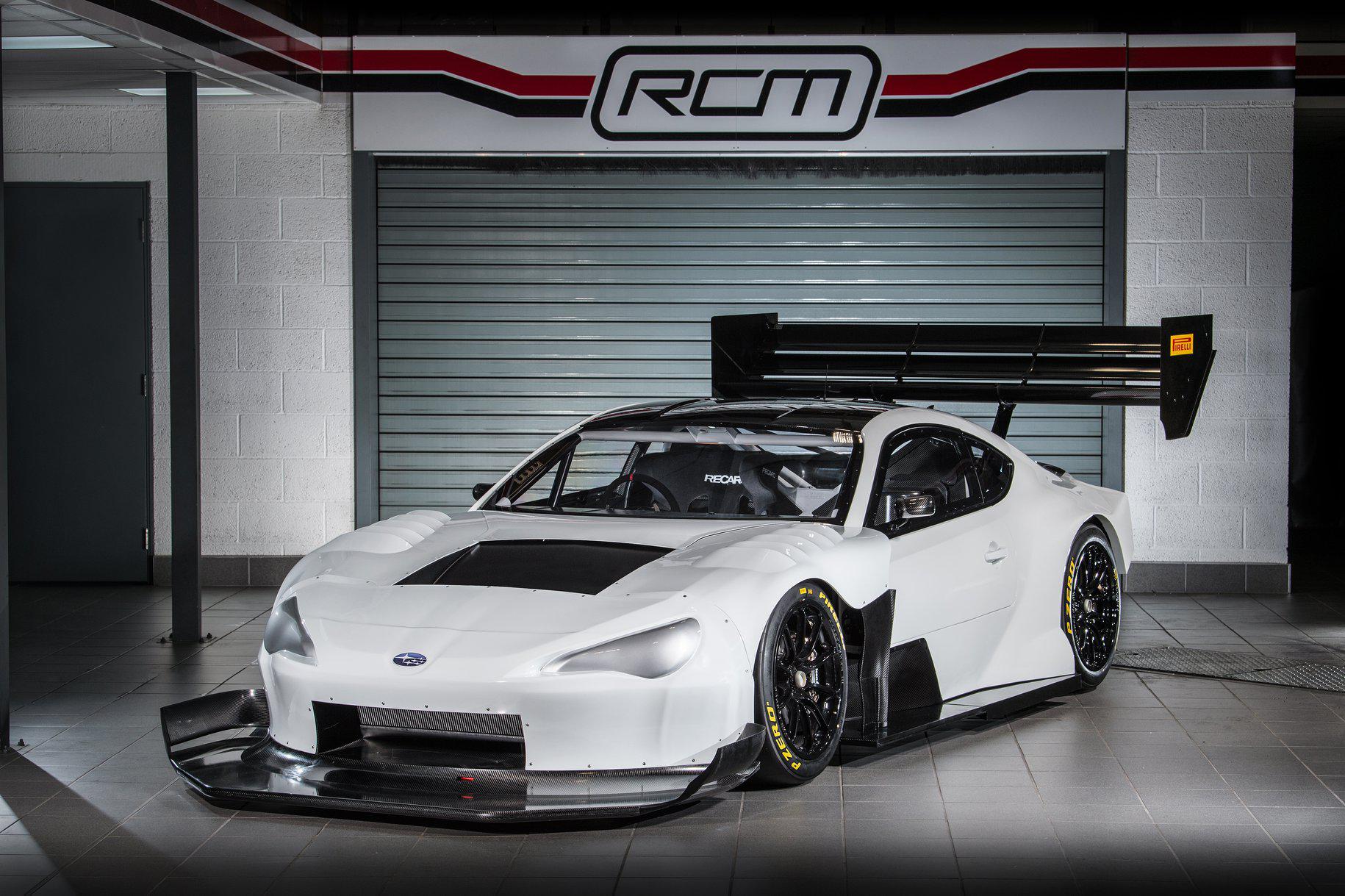
Roger Clark Motorsport's ADR-equipped BRZ obliterates 9-year record by 3.6 seconds at the home of UK Time Attack. The Gobstopper3 posted a stunning 41.455-second lap, destroying the previous record that had stood since 2015.

Applied Dynamics Research's aerodynamic package, developed specifically for the Subaru BRZ platform, generates over 800kg of downforce at 150mph while maintaining exceptional efficiency. The design philosophy focused on maintaining consistent downforce through Brands Hatch's challenging elevation changes.

The car went on to dominate the 2024 UK Time Attack Pro Extreme championship, winning every round entered and setting multiple circuit records throughout the season.

This achievement marks Applied Dynamics Research's continued dominance in UK time attack, with ADR-equipped vehicles holding records at virtually every major UK circuit.

Wind Tunnel Testing

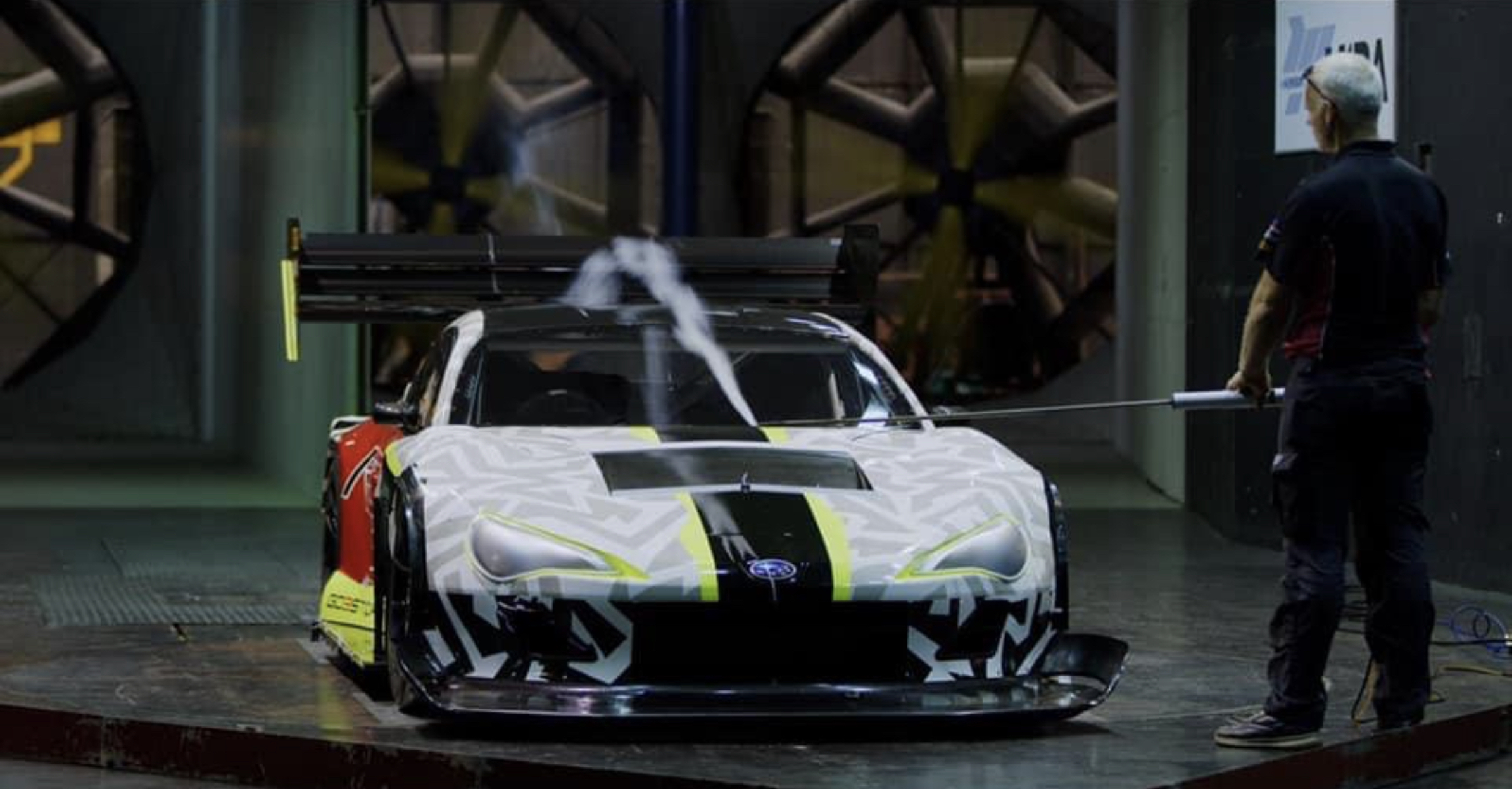
50% Scale Testing at MIRA Wind Tunnel

Advanced aerodynamic validation program combines CFD simulations with real-world wind tunnel data for perfect correlation.

Advanced aerodynamic validation program combines CFD simulations with real-world wind tunnel data for perfect correlation at MIRA's world-class facility.

The 50% scale model testing program allows rapid iteration of aerodynamic concepts with precise force and moment measurements. This scale provides the optimal balance between model fidelity and tunnel blockage effects.

Applied Dynamics Research utilizes a dual-approach methodology: initial concepts are developed and refined in CFD, then validated through wind tunnel testing. This process ensures that computational predictions align with physical reality.
The MIRA facility's moving ground plane and rotating wheels enable accurate simulation of real-world conditions, capturing ground effect phenomena critical for high-downforce applications. Recent testing campaigns have achieved correlation coefficients exceeding 0.98 between CFD and experimental data.

HKS Partnership

HKS TRB-03 Infinity Wings Development

Revolutionary aerodynamic technology partnership brings F1-derived active aero to Japanese time attack racing.

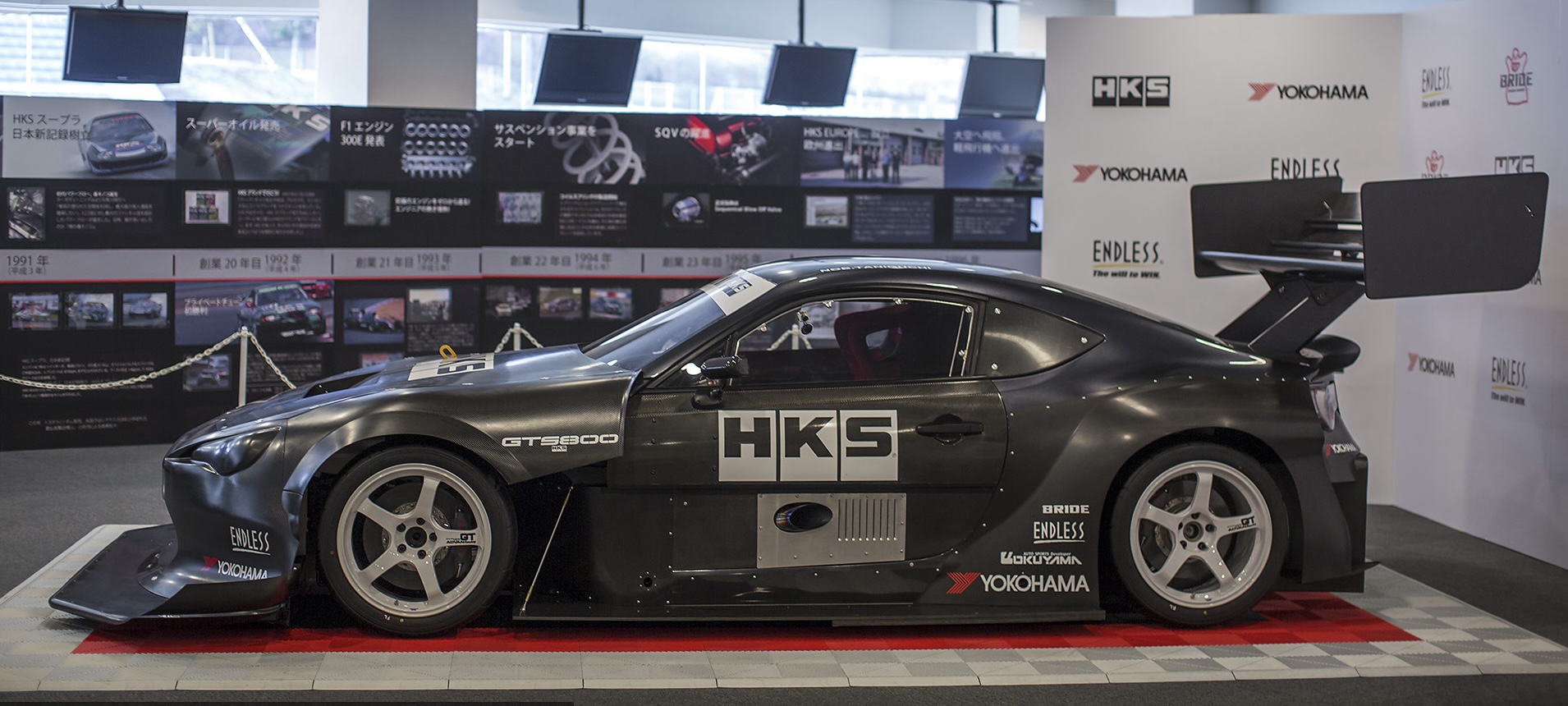
HKS TRB-03 and Infinity Wings

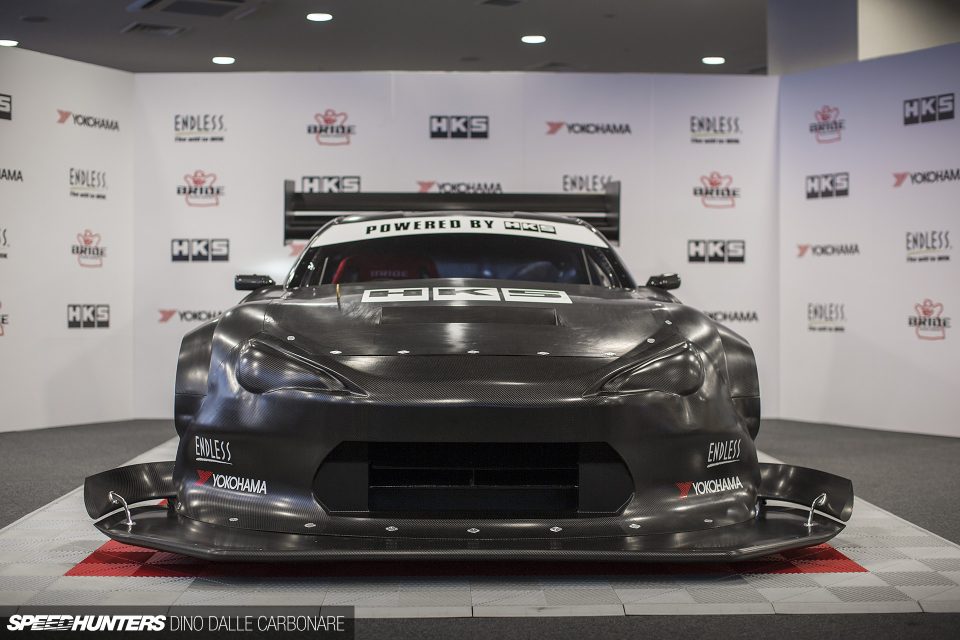
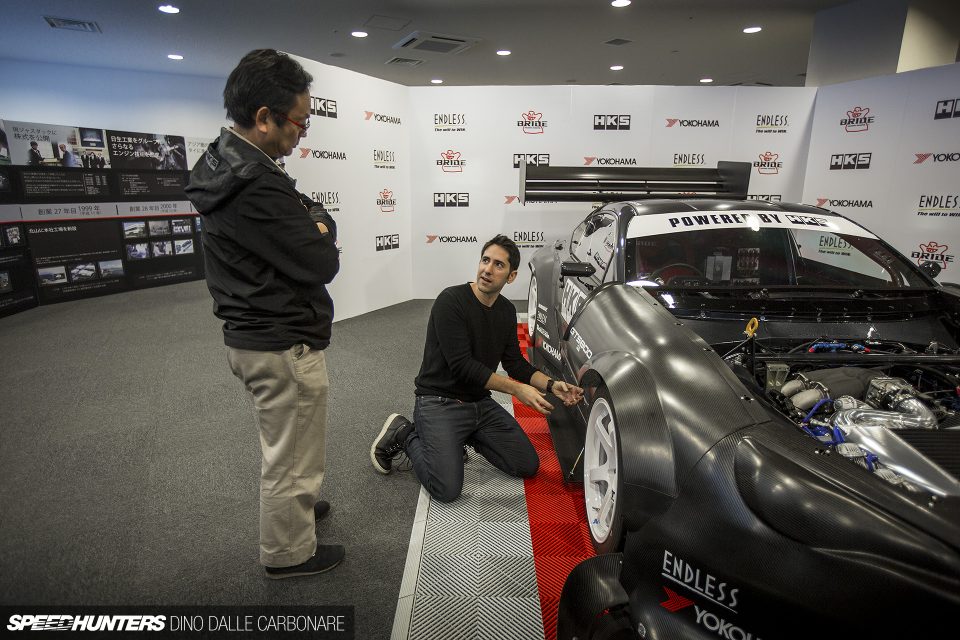
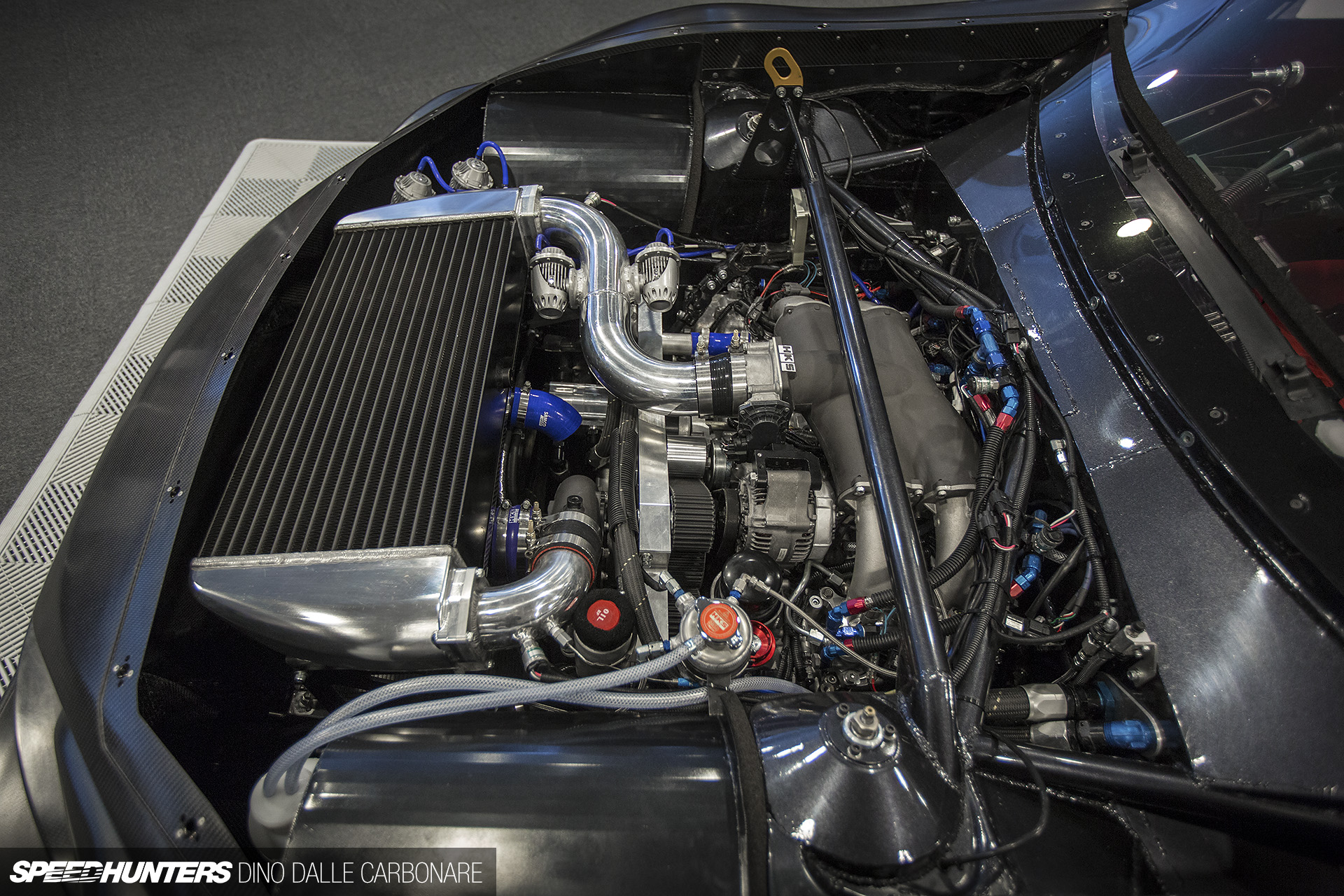
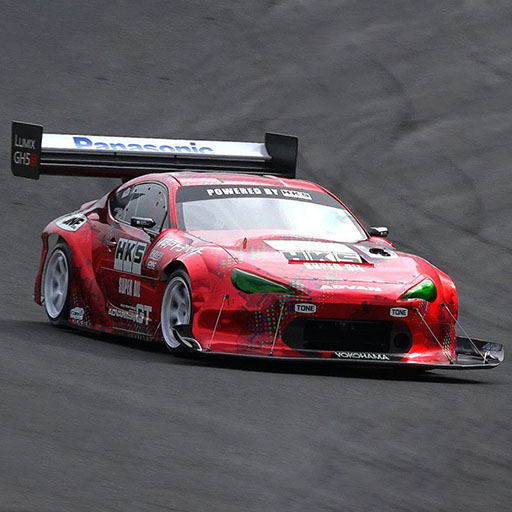
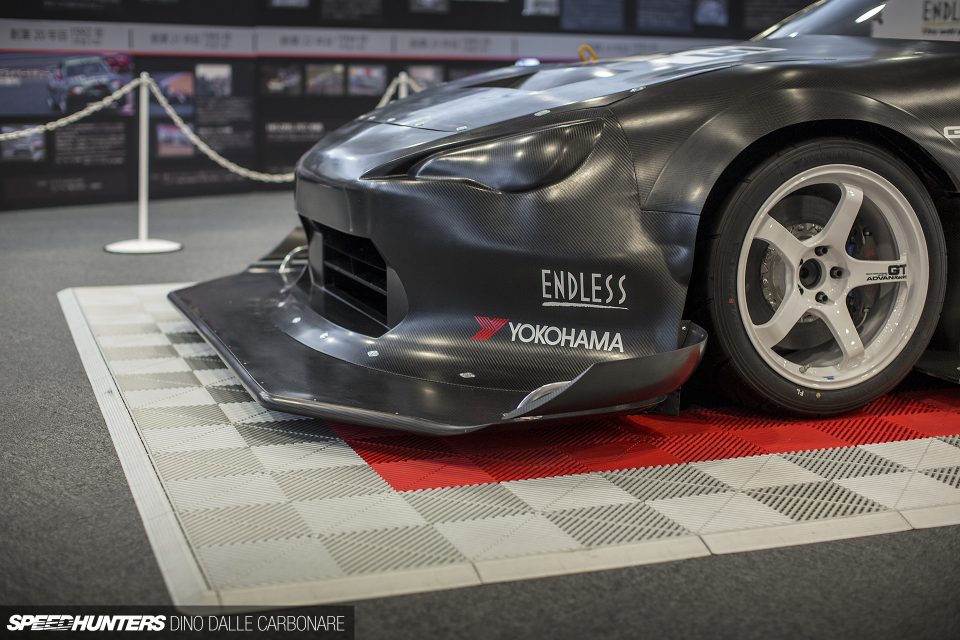
HKS TRB-03 (formerly known as GTS800) 86 prepares to smash records in USA and Japan with AMB Aero Designed Infinity Wings.

HKS TRB-03 Front View with Infinity Wings

Motorsport based on production body shapes have been tightly regulated with respect to Aerodynamic aids. The surge of interest in Time Attack events throughout the world with comparatively free regulations has provided AMB Aero with exciting opportunities that did not exist in more main stream motorsport. AMB Aero rewrote the book for Time Attack Aero with the Nemo Lancer Evolution and is set to do so again.

Revolutionary Infinity Wing Technology

A result of this is the newly designed Infinity Wings (Patent Pending). The Infinity Wings do away with many of the inherent flaws in traditional front aerodynamic solutions.

HKS TRB-03 Rear View

The design is known as the Infinity Wings due to the increase in downforce alongside a drag reduction, meaning the downforce to drag ratio is infinite. This technology was a natural fit for a leading company like HKS to use.

Andrew Brilliant: "HKS came to AMB part way through the design and testing stage of the Infinity Wings and were thoroughly impressed with the technology. They decided to have AMB Aero implement the new technology and develop an entire aerodynamic package for the vehicle. This was a fantastic opportunity for us to develop the new Infinity Wings for a world class team."

Record-Breaking Ambitions

The HKS TRB-03 has been developed from the ground up to be the fastest Time Attack car to date. Setting its sights on the famed Tsukuba Lap record which is currently held by another AMB Aero customer, Scorch Racing. In the future the team has said they will attack the track record at Buttonwillow California, USA.
HKS TRB-03 Detail View

Andrew Brilliant: "The introduction of the Infinity Wings and partnership with HKS allows us to re-affirm our position as leaders in Time Attack Aerodynamic advancements and we are excited to see lap times tumble as new cars are designed and built with our technology."

AMB Aero is a complete end-to-end design service with winning race and championship history at many levels of motorsport, all over the world. Comprehending aerodynamics is both an art and a science.

Photos Courtesy of Dino Dalle Carbonare / Speedhunters

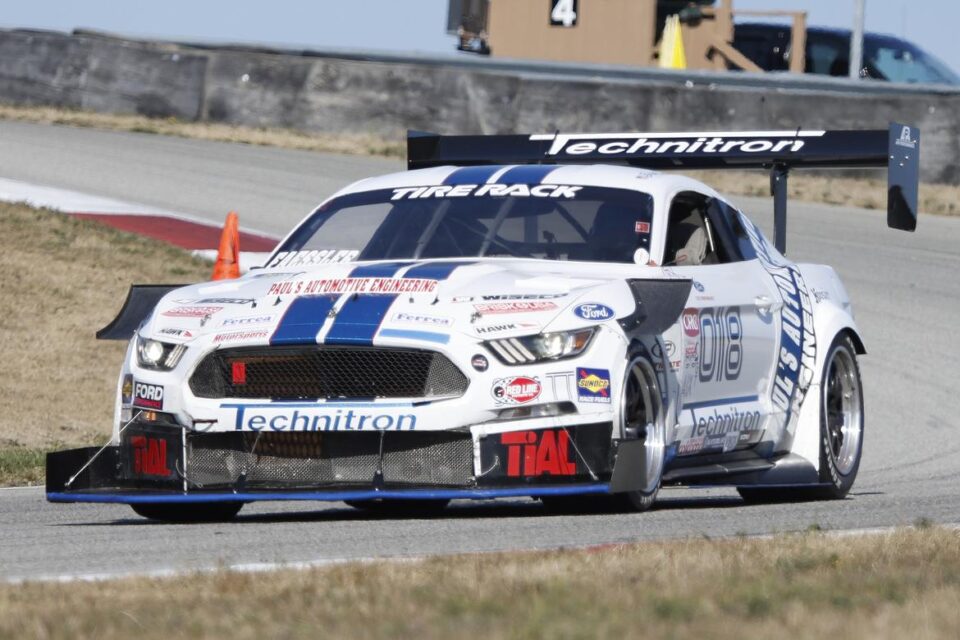
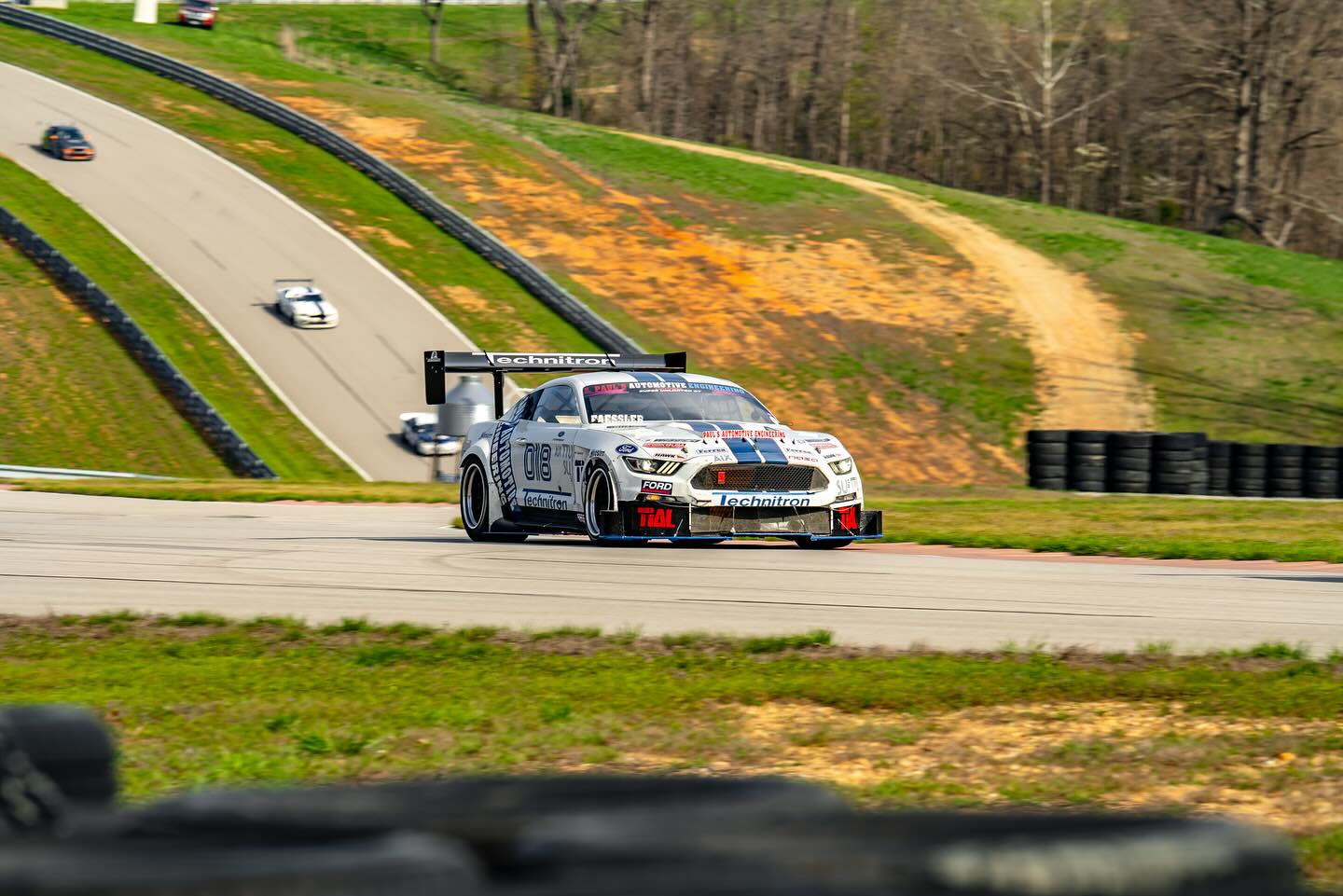
Paul's Automotive Mustang

Paul's Automotive Dominates with Triple Championships

Cincinnati team claims three national championships and 11 track records with comprehensive AMB Aero® package on their Mustang race car.

Record-Breaking Season: Paul's Automotive Engineering Dominates with AMB Aero

Cincinnati-based racing team shatters track records and claims triple national championships with comprehensive AMB Aero aerodynamic solution.

The Challenge

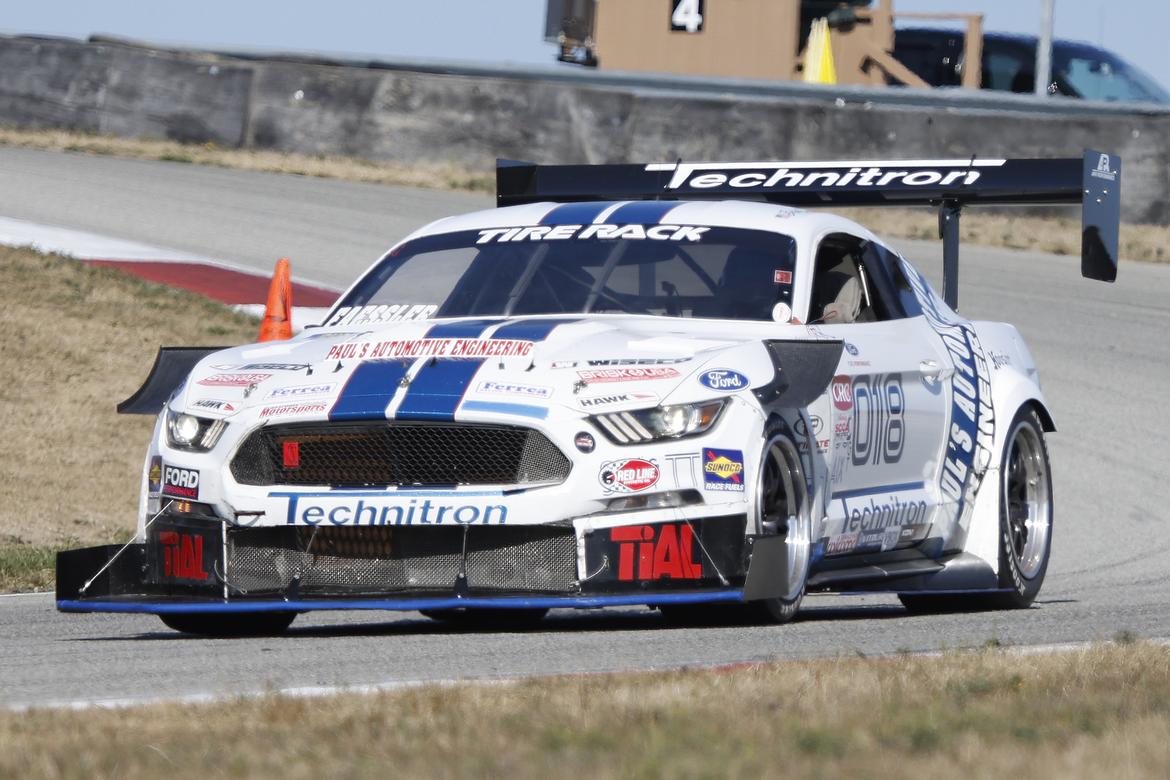
Paul and Brian Faessler of Paul's Automotive Engineering in Cincinnati had built an incredibly fast Mustang race car, but they knew that to compete at the highest levels of time attack and time trial racing, they needed a complete, integrated aerodynamic solution. Their goal was ambitious: win multiple national championships and set track records across different racing series.

The Solution

AMB Aero worked closely with Paul's Automotive Engineering over multiple seasons to develop and implement a comprehensive aerodynamic package specifically designed for their Mustang. The partnership involved:

  • Custom CFD-designed splitter - Engineered for maximum front downforce
  • Rear diffuser and side skirts - Integrated underbody aerodynamics
  • High-efficiency rear wing - Balanced rear downforce
  • Front fender canards - Final touch for optimal aero balance
The development process was iterative and collaborative, with continuous technical consultation and refinement between AMB Aero's engineering team and Paul's Automotive Engineering.
Paul's Automotive Mustang with AMB Aero Package

The Results

The 2025 racing season delivered results that exceeded even the most optimistic expectations:

  • Overall Championship win - Brian's 3rd UTCC overall championship
  • DEMOLISHED the overall SCCA/UTCC track record at Pittsburgh International Race Complex by a staggering 7 SECONDS - one of the largest margins of improvement in time attack history
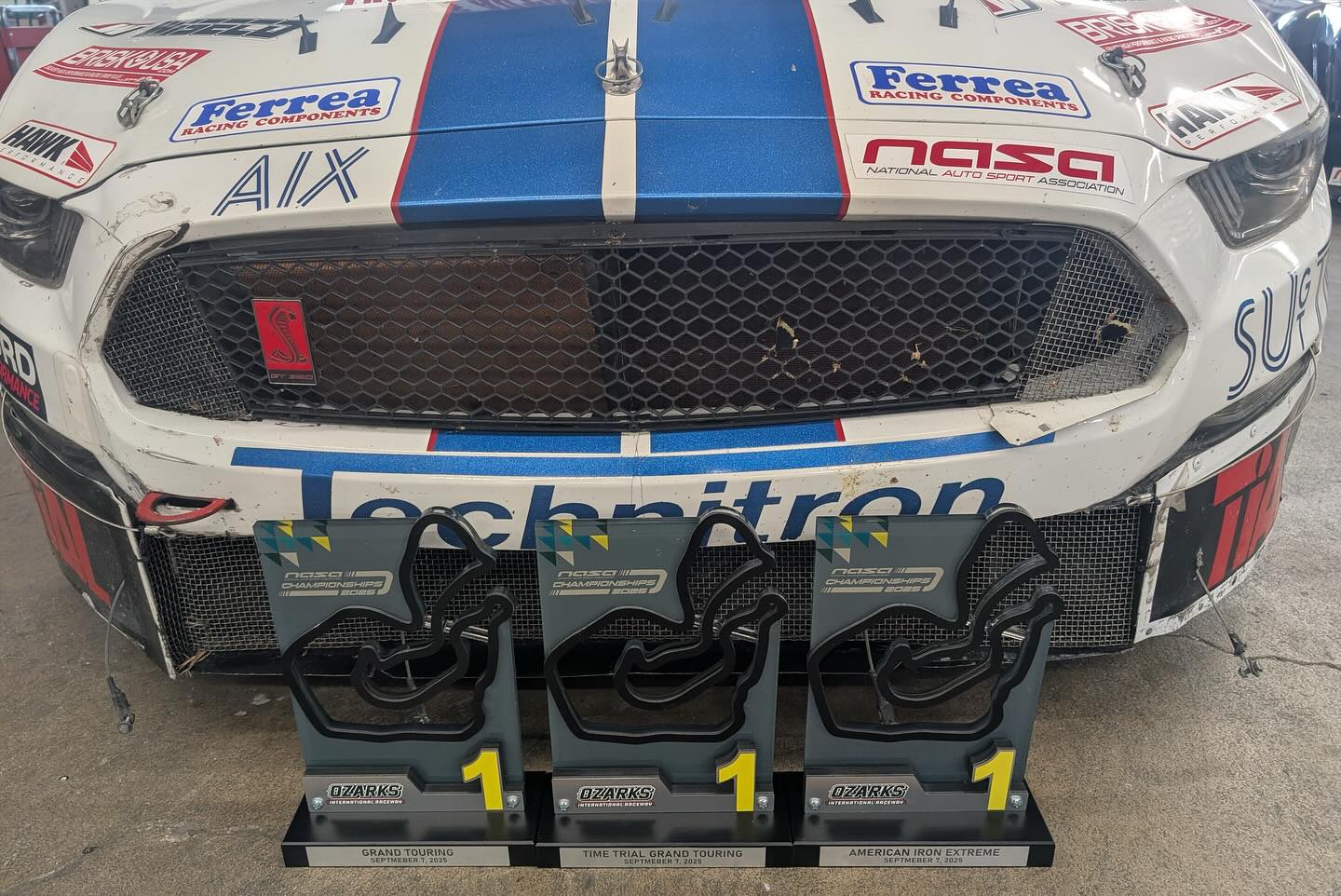
  • The front canards produced so much downforce that in just 2 laps (running on low boost), they literally pushed the splitter down hard enough to wear through the Delrin pucks and pull the center support cables through the splitter
  • Had to detune the car mid-competition due to lack of competition - added front spring rates and more rear wing, kept it on low boost, and still dominated

Championship Summary

  • Three National Championships: American Iron Extreme (AIX), Super Unlimited GT (SUGT), and Time Trial GT (TTGT)
  • Three National Championship track records in all three classes
  • Seven regional first-place finishes
  • Eight regional track records
Paul's Mustang at Competition

At the NASA Championships at Ozarks International Raceway, competitors launched an unprecedented protest campaign against the car's legality:

  • Friday: 14-item protest - 3 hours in impound → 100% LEGAL
  • Saturday: 6-item protest - 4 hours in impound → 100% LEGAL
  • Sunday: 8-item protest - 2.5 hours in impound → 100% LEGAL

Result: 28 total protest items, 9.5 hours in impound, and vindicated every single time.

Paul's Mustang Victory

Despite the constant protests, Paul's Automotive Engineering secured another dominant victory, proving that their success was built on superior engineering and the cutting-edge aerodynamic technology developed by AMB Aero.

Technical Impact

"AMB Aero's aerodynamic solution transformed our Mustang into an absolute weapon. The downforce levels are so extreme that we're literally breaking conventional mounting hardware. We've had to completely rethink our approach to suspension setup because the aero load is unlike anything we've experienced before." - Paul Faessler

This partnership between Paul's Automotive Engineering and AMB Aero represents the pinnacle of American time attack development, setting new standards for performance and proving that proper aerodynamic development is the key to championship success.

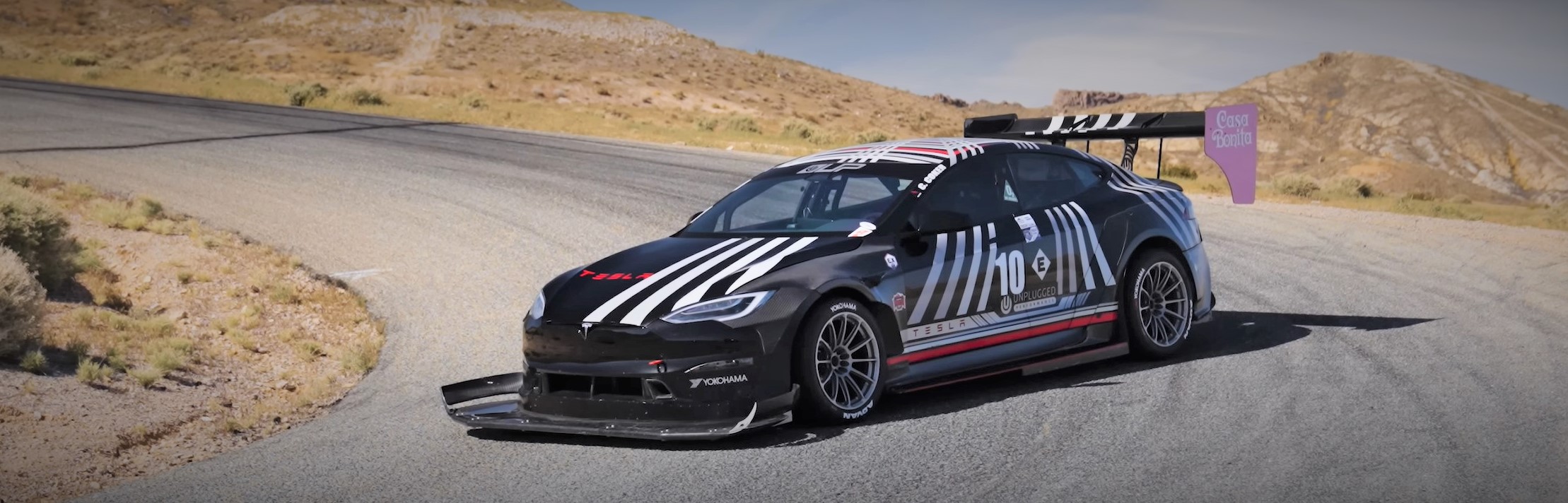
Unplugged Tesla Model S

Tesla Model S Shatters EV Record at Willow Springs

Unplugged Performance's "Dark Helmet" Model S achieves 1:20.045 lap record using AMB Aero® Infinity Wing technology.

Unplugged Performance's Modified Tesla Model S Breaks EV Track Record at Willow Springs

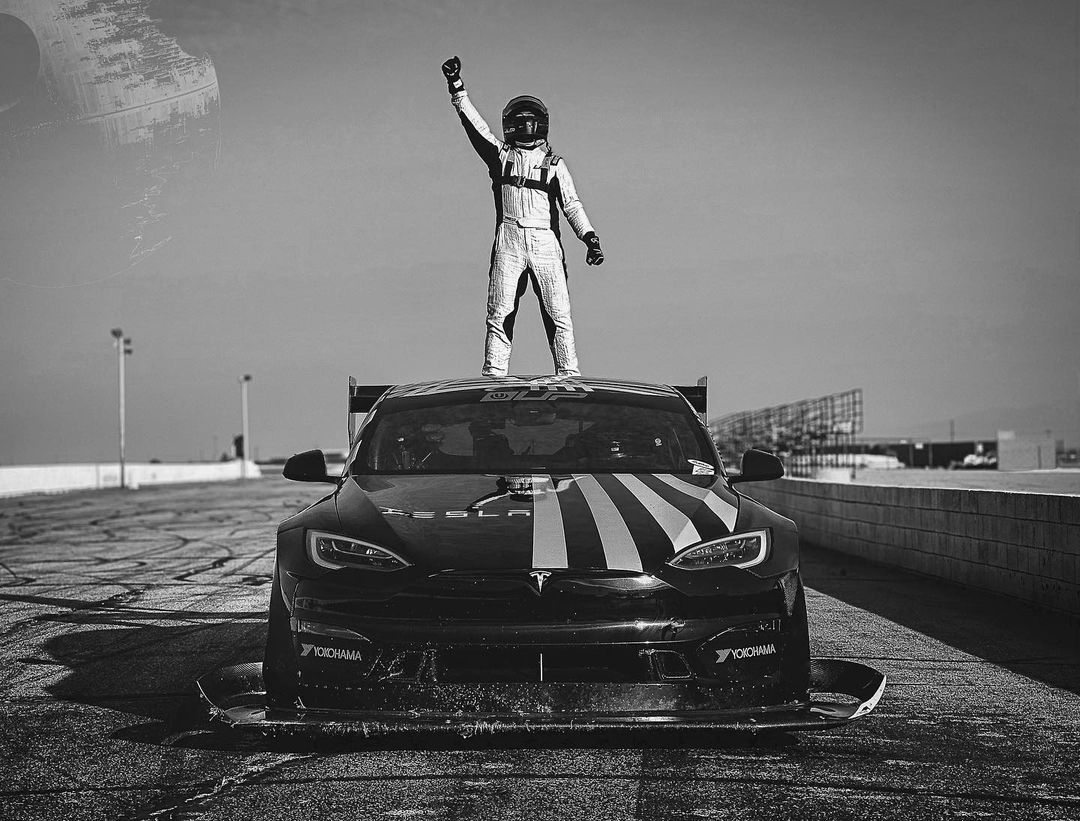
LOS ANGELES, CA – May 15, 2023 – Using an aerodynamic package from AMB Aero featuring the "Infinity Wing", Unplugged Performance's Tesla Model S has set a new overall lap record of 1:20.045 seconds for production-based cars around renowned Willow Springs International Raceway.

Tesla Model S Dark Helmet at Willow Springs

Code-named "Dark Helmet," the Model S sporting a bespoke aero package designed by AMB Aero destroyed the previous EV record by more than 7 seconds (1:27.78 on a Model S driven by Randy Pobst), and the overall record for production-based cars by more than 1 second (Porsche GT2 RS, 1:21.08). It also outperformed a Chevrolet C8 Z06 on the same day by around 2 seconds.

"The fastest Tesla ever, the fastest car I've ever driven, and the fastest car ever around Willow Springs International Raceway."

While maintaining the original vehicle's core elements—batteries, motors, and battery management system—the team made significant aerodynamic and weight-reduction improvements that resulted in remarkable track performance.

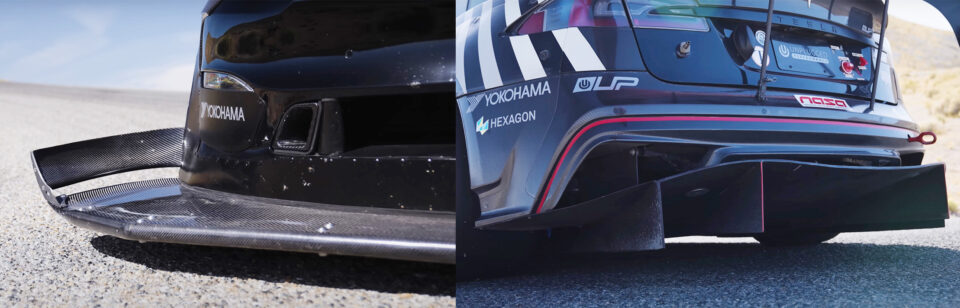
Tesla Model S Aerodynamic Package

Technical Innovation

Andrew Brilliant, the Director of AMB Aero, explained: "while this car boasts impressive acceleration and generates downforce on par with a Formula 1 vehicle, it has a lower sustained power output compared to internal combustion engines used on high-end sports cars. Balancing this immense downforce—without substantially slowing the car down on the straights and compromising lap time—required rigorous fine-tuning."

Brilliant expanded: "Willow Springs is one of the tracks we use in our lap simulations for aerodynamic drag. Our supercomputer runs these simulations for various course types alongside Computational Fluid Dynamics (CFD) results for the car. We examine several output parameters and utilize various artificial intelligence tools to process large output data sets and guide our learning, ensuring we stay on the right track."

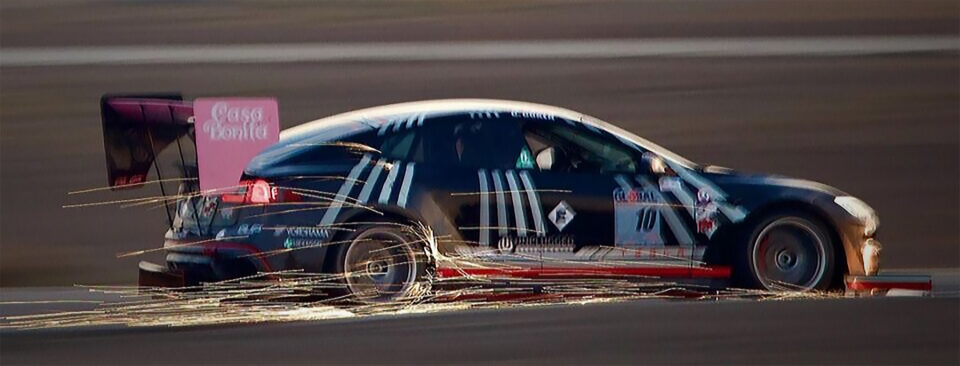
Tesla Model S Sparks Flying

The Build

The vehicle's bodywork, featuring Unplugged Performance's S-Apex carbon fiber wide body bolt-on aero kit, blends standard Tesla and custom parts to maximize function and minimize weight. Remarkably, despite the use of lightweight parts, the addition of a race-spec roll-cage brings the weight of the car close to that of a standard model.

Further performance modifications include carbon ceramic brakes, two-way race coil-over suspension, billet adjustable front upper control arms and Yokohama racing slicks A005. All together, combined with the refined aerodynamics from AMB, contribute to Dark Helmet's astonishing speed and cornering capabilities.

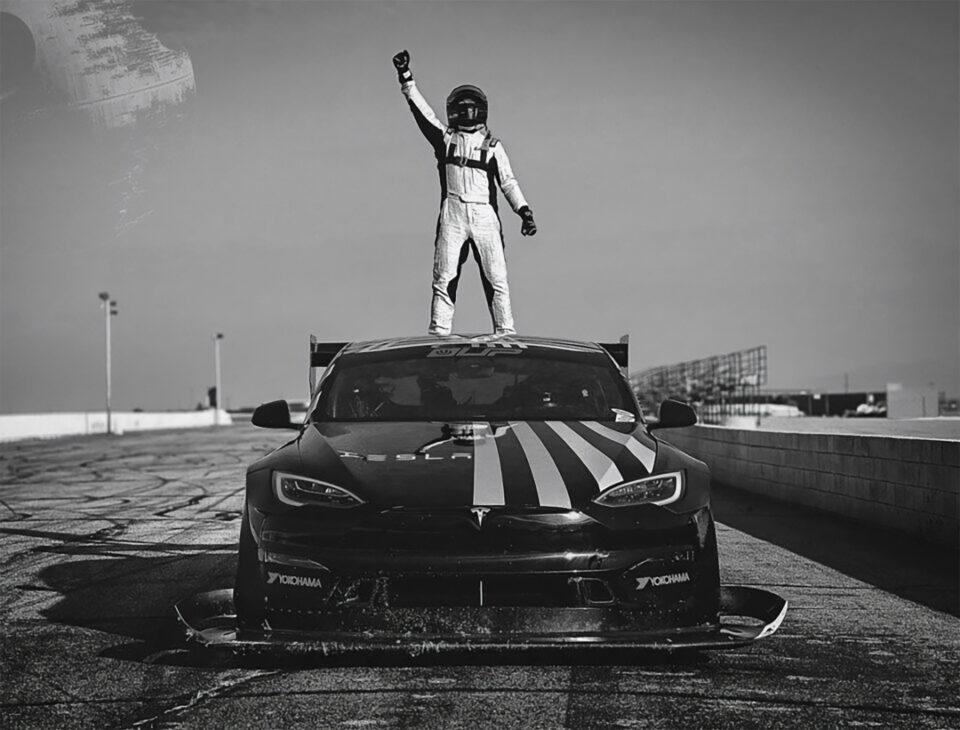
Tesla Model S Victory at Willow Springs

Recognition

To watch Rory Reid's review and witness Dark Helmet's record-breaking run, check out AutoTrader's feature video on YouTube.

For more information on Unplugged Performance's transformative engineering and their aerodynamic modifications, visit www.unpluggedperformance.com, and for more information on AMB Aero products and services visit www.amb-aero.com

Mealing Eclipse

Mealing Eclipse Resets Knox Mountain GTM Record

Mitsubishi Eclipse slashes class record by 3.3 seconds using decade-old AMB Aero® design, proving longevity of aerodynamic excellence.

Mealing Racing Resets GTM Class Record at Knox Mountain by 3.3 Seconds

Mealing Racing resets GTM class record at Knox Mountain by 3.3 seconds, second overall.

Nearly ten years ago we designed a body for Mitsubishi Eclipse. Only three were built completely and raced in anger. First, the AMB Aero eclipse won back-to-back US Super Lap Battle Championships, then John Freund's car backed it up at Ultimate Track Car Challenge.

Mealing Racing Eclipse at Knox Mountain hillclimb

Now Garrett Mealing from Mealing Racing challenged the GTM class at Canada's biggest hill climb event: Knox Mountain. With an aerodynamics package designed by AMB, Garrett broke a nine-year-old record for his class by 3.3 seconds and took second place overall.

Bouncing back from a car fire on Saturday the team proved that winning can come down to refusing to lose!

Join us in extending a huge congratulations to Mealing Racing for an over the moon achievement.

AMB Aero offers aerodynamic packages and consulting for Hill Climb and Time Attack racers.

Join us in extending a huge congratulations to Mealing Racing for an over the moon achievement. Enjoy the in-car and footage from the Hill Climb.

F1 Aerodynamics

Solving F1 Porpoising: Aerodynamic Analysis

Technical deep-dive into the bouncing phenomenon plaguing 2022 Formula 1 cars, with proposed aerodynamic solutions.

Aerodynamics Solutions to Porpoising In 2022 Formula 1 Cars

The phenomenon causing 2022 F1 cars to bounce down the straights is known colloquially as "porpoising". Behind the scenes, teams of experienced aerodynamicists are working quickly to find solutions. Many have asked: how did they miss this issue?

With the growing accessibility of basic CFD aerodynamics simulation testing, more people are trying their hand at vehicle aerodynamic development; accordingly, this is an opportunity to discuss some of the critical points in aerodynamic design. The concepts involved are important both in and outside of Formula One. I hope this article will be of interest to those of you who are enjoying aero as a hobby and serve as an interesting read for those who follow it as a curiosity.

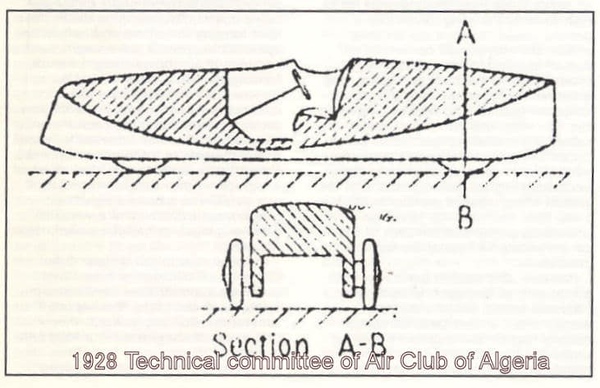
The oldest known concept of an under-wing, dated 1928

Historical Context

To introduce myself, I'm Andrew Brilliant, the director of AMB Aero, an aerodynamics consulting firm based in Sapporo, Japan. We utilize both in-house 40 DP-TFLOP super-compute CFD and physical wind tunnel test facilities. My mentor and partner Yoshi Suzuka was a major contributor to the modern understanding of underbody tunnels. His work shaped them from the early F1 style 'underbody wings' to what would later become known as the modern 'venturi' style during the development of Nissan GTP cars.

At AMB Aero, we have been fortunate enough to develop all sorts of cars – especially many race cars – all over the world. Thanks to classes like IndyCar, LMP, or even Hill Climb and Time Attack that never fell victim to the 'flat floor dark ages'. We have completed more than ten thousand CFD and wind tunnel tests for tunnel cars alone.

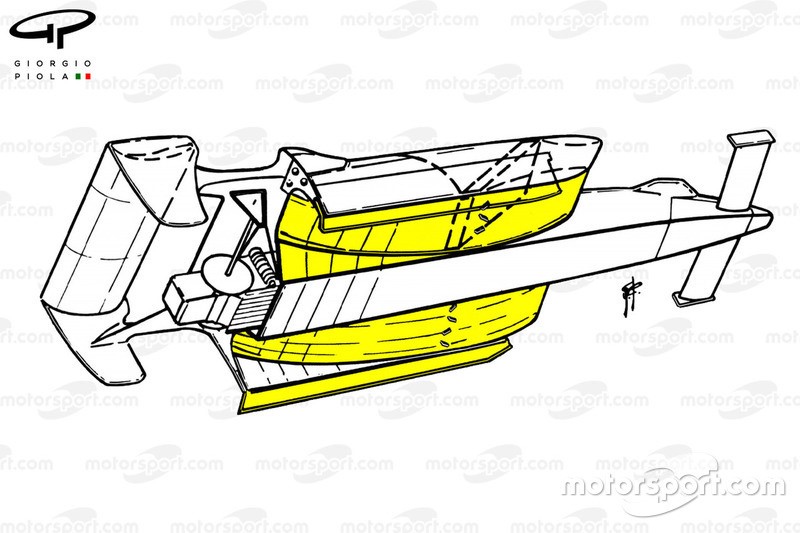
Lotus's early ground effect tunnels - a simple side pod wing shape. Credit: Giorgio Piola via motorsport.com

In the late 1970s Lotus first discovered this phenomenon when their wind tunnel model was not sufficiently rigid resulting in the side pods sagging closer to the ground. As they did, downforce increased sharply. Lotus engineers then sought to understand this phenomenon and in doing so determined to close the sides of the floor, leading to the now-famous 'sliding skirts' (that were subsequently banned).

So powerful was this ride height effect, that after banning skirts, a car was run with completely solid suspension. In this infamous test, the driver commented that the car was quicker set low and solid, but he struggled with vision and vibration. The driver asked for a padded seat and was jokingly suggested to sit on his wallet.

Understanding Ground Effect

The concept of designing-in ride height sensitivity became deeply rooted in modern racecar aerodynamics. Generally, cars are run close to the ground to maximize underbody downforce (among other reasons), and accordingly – much as Lotus found in the 70's – it is incumbent on designers to manage this ground effect phenomenon towards a net performance advantage.

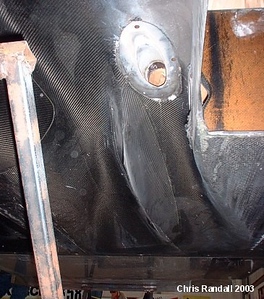
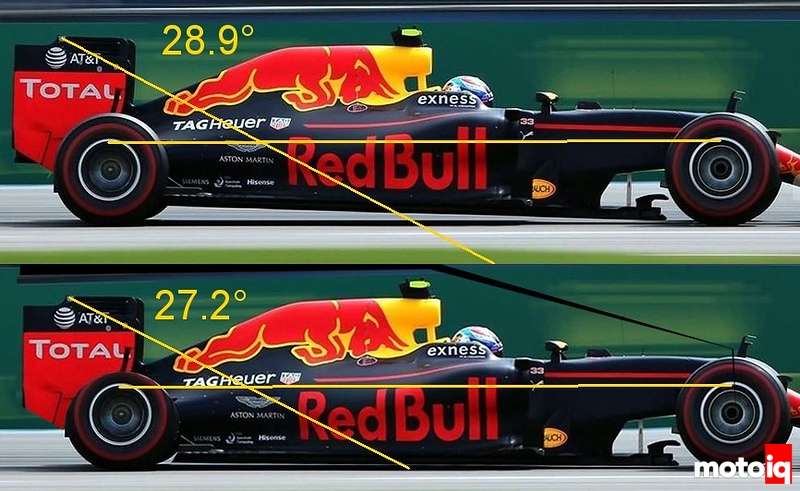
The difference in tire exposure to underbody between high and low rear ride height

In the early days, it was believed that the ground effect acted similarly to the known behavior of airplane wings wherein lift increases with proximity to the ground. Many years later, we would come to understand some differences with ground vehicles and that the proximity of underbody wing forms is not the major cause of extreme sensitivity to ride height.

At AMB Aero we call them underbody tunnels. In our experience at AMB, this sensitivity is primarily due to changing flow field resulting from the relative position between the tire and the sprung body of the car. In the case of Formula cars, this can be conceptualized as the position above vs below the floor.

Evolution of Tunnel Design

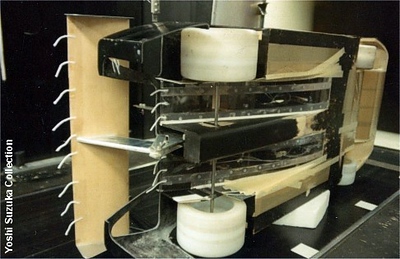
Lola 810 wind tunnel model by Yoshi Suzuka

This early prototype imitated the simple "underwing" concept and eventually evolved into the shape of Yoshi Suzuka's Nissan P35 in the early 1990s.

Yoshi Suzuka underwing Nissan P35

This along with many aerodynamic improvements took thousands of wind tunnel tests. The downforce generated was elevated to the stuff of legend. The complexity of flows involved in F1 has grown ever more intricate.

2022 F1's simplified concept car showing tunnel shape with throat, nozzle, and diffuser

As you can see above, the modern Formula 1 car tunnel is closer to a "Venturi" type, unlike those early 'wing style' F1 side pods.

Understanding Porpoising

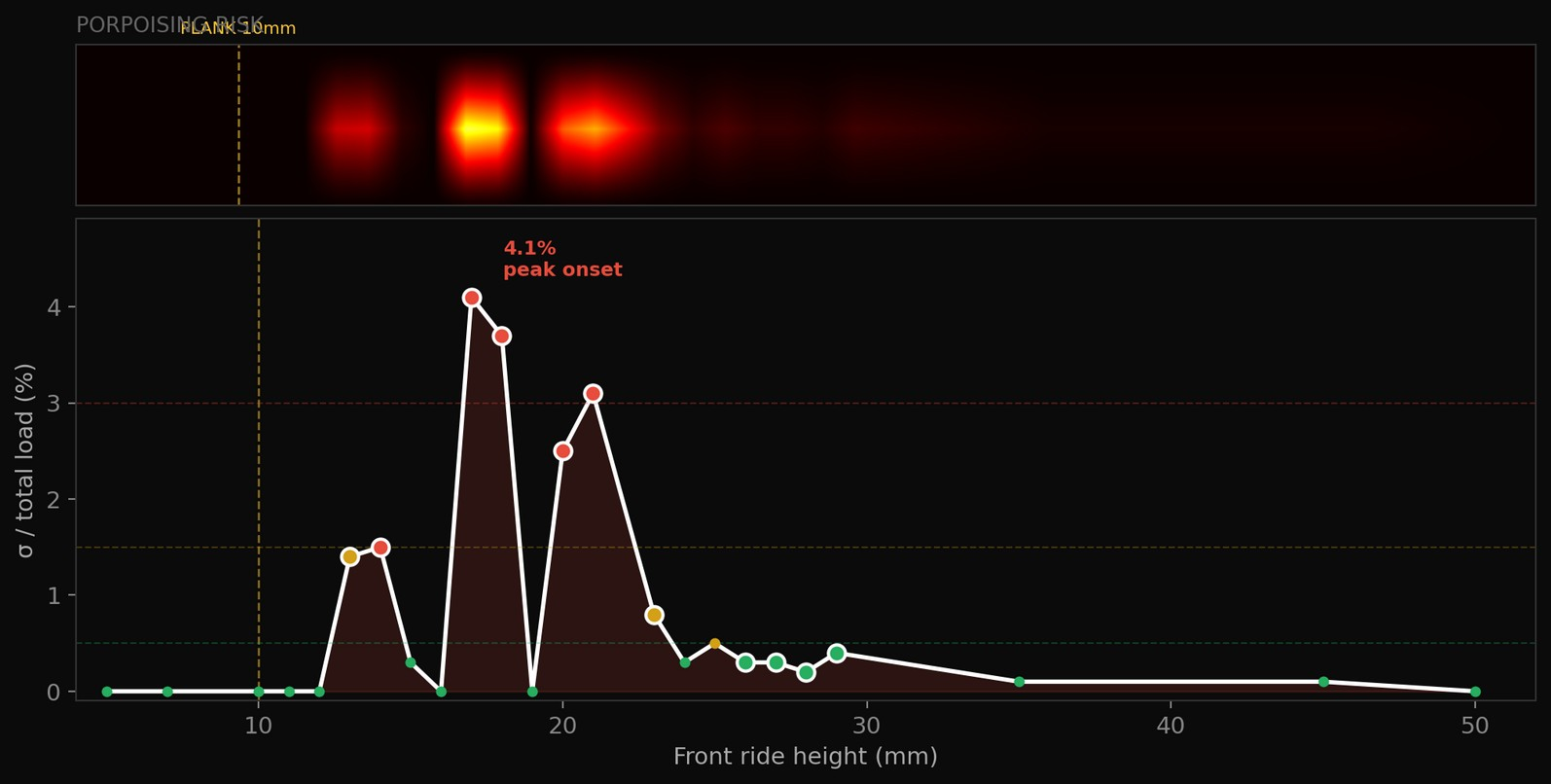
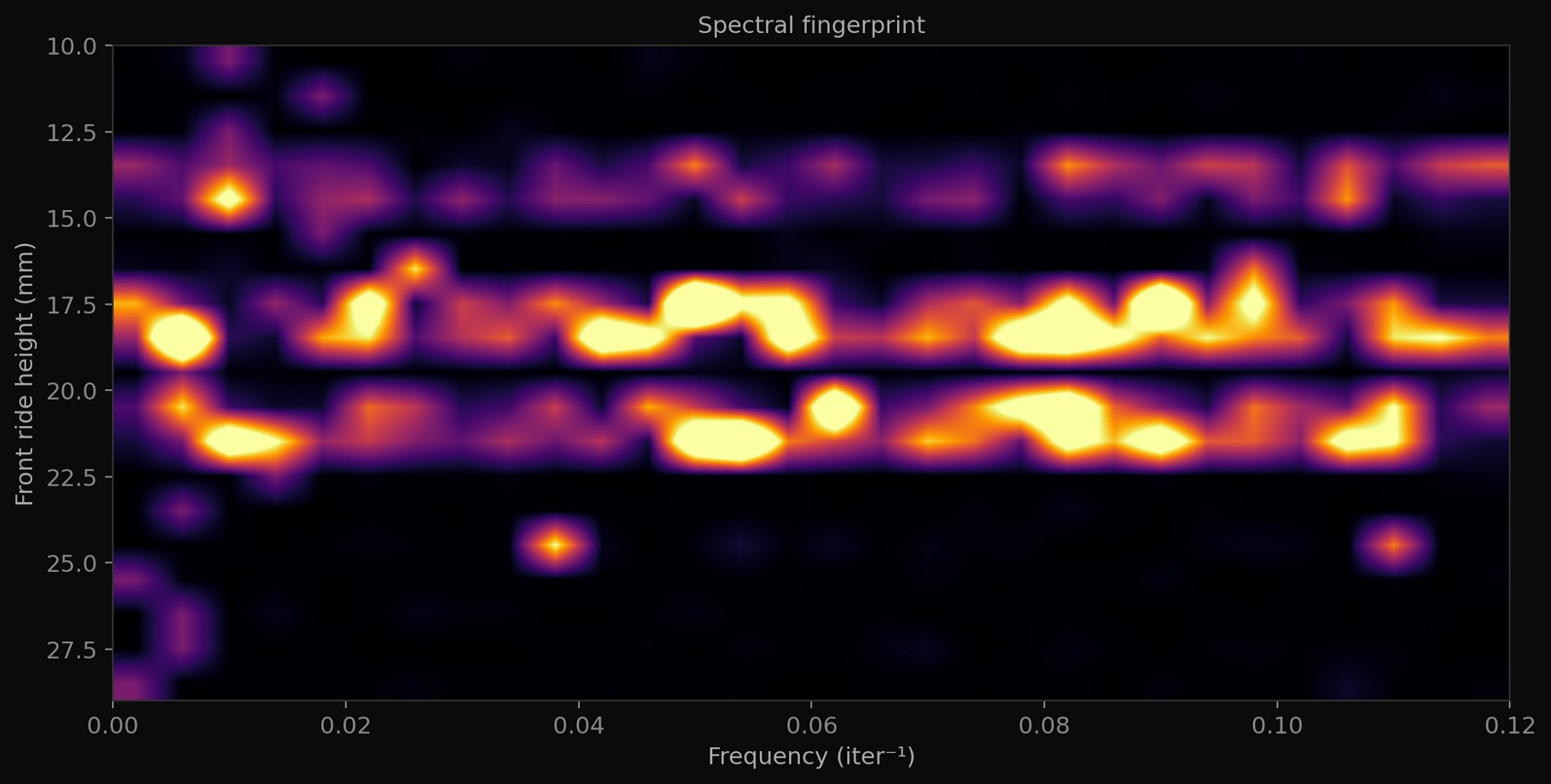
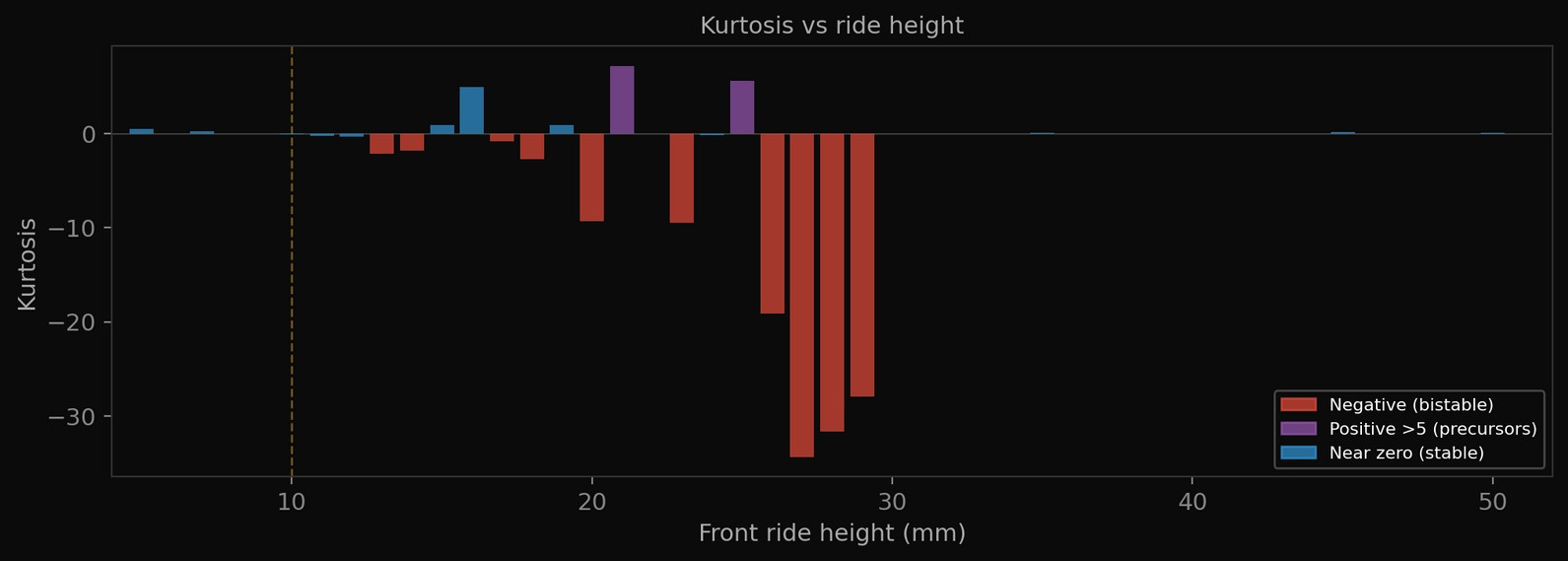
Porpoising is bouncing or oscillation in front, rear, or both caused by a loss in downforce at some ride height resulting in downforce being lost. Once downforce is lost the suspension springs then return the car to a higher ride height, however in this position the flow field again generates additional downforce and restarts the cycle.

The term 'porpoising' came from the early designs where the front wing was extremely sensitive to pitch change; an appropriate change in rear ride height caused front downforce to increase subsequent to the rear rising. This back-to-front bouncing resembled a dolphin coming out of the water nose-up and dipping back under with the nose down over and over.

Aero Maps and Sensitivities

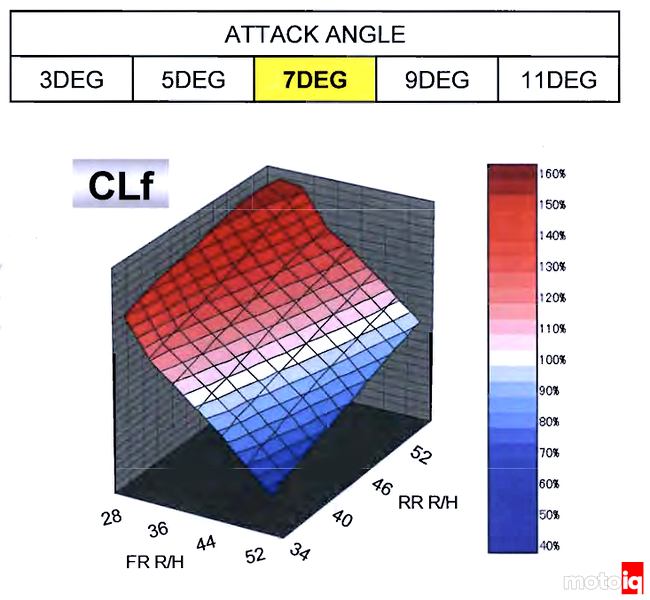
The real cause of porpoising is better described as what aerodynamicists term as a 'sensitivity'. There are lots of sensitivities and in this case, the relevant one is ride height, being the distance from an arbitrary point on the car to a point on the ground. One of the most basic tools we use is called an aero map, a graph visualizing an aerodynamic behavior of a car.

An aero map for front lift coefficient of a GT car

It is easy to see from a map like that just how irrelevant and limiting a single value for downforce or drag can be. Aside from the huge variance across speed ranges, you could pick a number for downforce at some ride height you would never see in a corner (where downforce is helping you go quicker) or at some wing angle that would make you under-steer straight off the track.

Asking the downforce of the car is like asking what is the altitude of Europe? Are you in the Swiss Alps or on a Mediterranean beach? The question needs important context for a correct and relevant answer.

Technical Solutions

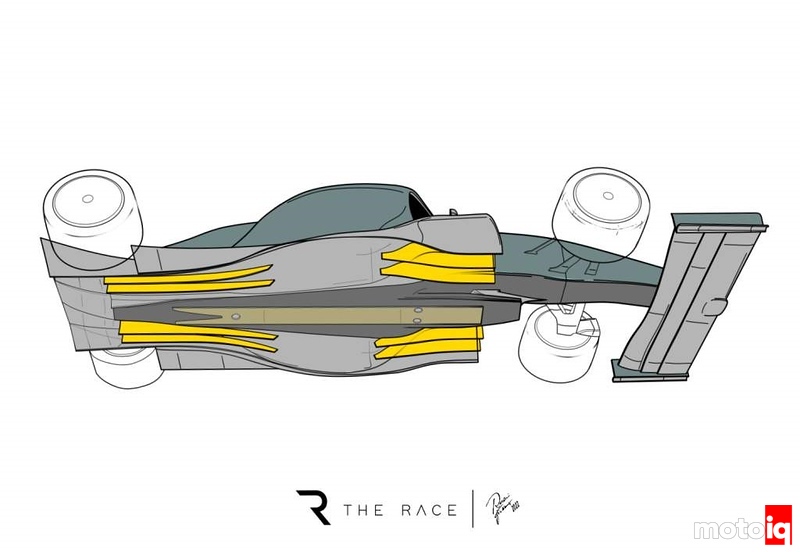
A modern 'venturi' style tunnel can be imagined as three components: the volume reducing throat section, followed by the minimum diameter nozzle section, and lastly the expanding diffuser section. Porpoising likely begins late in the nozzle or diffuser where flow velocities are higher and adverse pressure gradients can easily lead to flows abruptly detaching from the diffuser wall.

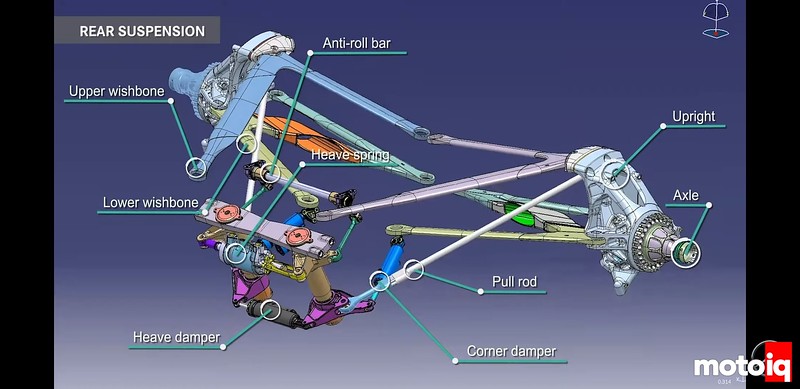
Illustration of an F1 suspension, the heave spring controls vertical stiffness. Credit: Craig Scarborough

On any car with aerodynamic downforce applied to a suspended mass (the tire's spring rate also being a form of suspension), the car will always find a state of equilibrium; the ride height will compress until springs support the aerodynamic forces. As speed increases, so does downforce – the ride height will decrease increasing downforce again.

F1 plank made of highly compressed wood material. Credit: Wikimedia Commons

Wind Tunnel Development

Formula 1 aerodynamicists are not the first to experience this phenomenon through F1 attracts so much more attention as early testing is very public. We have supported prototype and even Time Attack customers with similar issues through to resolution. It is definitely not uncommon, in most categories it can be avoided through the careful use of CFD and wind tunnel testing.

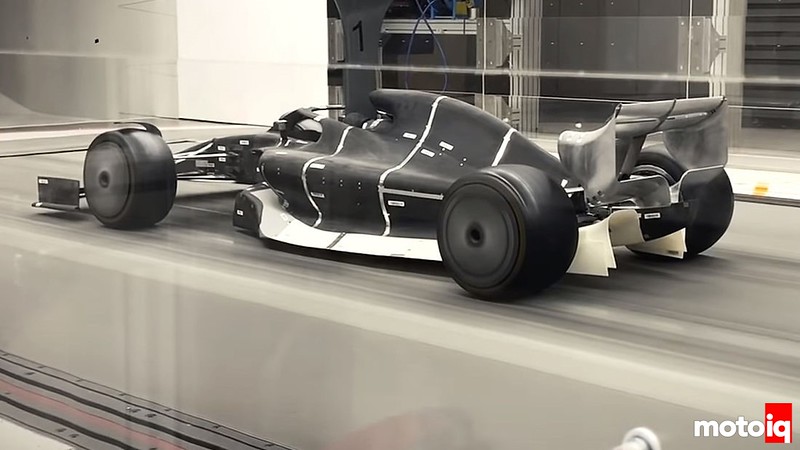
Concept F1 tunnel car in the wind tunnel. Credit: F1.com

Admittedly it is a far more difficult problem in F1 given the complexities of vehicle forms and the performance margins sought. This said, given the number of skilled people and the quality of tools available I am confident the problem will be solved quickly. We may even see evolving solutions over the course of the season and clean slate solutions next year.

Safety Considerations

Tunnels are far safer than diffusers in this regard as flat floors suffer from much higher pitch sensitivity than tunnels. A tunnel car can see larger negative pitch angles before lift is achieved. From this perspective, a tunnel may even be considered a safety device when compared with a flat floor. It also offers a cleaner wake to promote exciting racing by lessening aerodynamic losses to the car following behind.

The porpoising seen this year is a relatively mild phenomenon resulting only in reduced lap time and (possibly) driver discomfort; drivers can simply reduce speed when it starts. The sudden behavior of something like a blow-over/vehicle flip will be completely unstoppable. Understanding has advanced much and problems like this have become increasingly rare and less severe.

Conclusion

Modern racecar aerodynamics –particularly in Formula 1– are complex systems; without looking in detail at CFD or wind tunnel data it would be impossible to definitively know the probable causes of a specific car. It could be that Ferrari's wide side pods help produce higher-energy and better-directed flow into the tunnel throat. Mercedes uses a narrow side pod, perhaps this leaves them heavily dependent on a rear beam wing being more vulnerable to rear ride height effects.

AMB Aero is a complete end-to-end design service with winning race and championship history at many levels of motorsport, all over the world. Comprehending aerodynamics is both an art and a science. Successfully employing engineered aero requires addressing specific challenges in all areas of the project while satisfying the customer's overall objectives and constraints.

HPA Podcast

HPA Podcast: Start Winning Races With Aerodynamics

High Performance Academy features Andrew Brilliant discussing aerodynamics fundamentals and race-winning strategies.

Podcast - Start Winning Races With Aerodynamics

The HPA Tuned In podcast features one of the biggest names in the motorsport aerodynamics world — Andrew Brilliant of AMB Aero.

This conversation is an absolute gold mine of information for anyone who's interested in the aero world — whether you're considering adding a package to your car, wondering why your times have got slower after fitting your new splitters and wings, or even if a career in the field sounds like something you might want to look into.

This episode is a real deep dive into the fascinating world of aerodynamics, and it's essential listening for anyone interested in going faster on track.

Listen Now

Lyfe GT-R

The Lyfe GT-R R35 - DSPORT Magazine Feature

Cole Powelson's Nissan GT-R featured with custom AMB Aero® tunnel design from transmission to rear diffuser.

The Lyfe GT-R R35 - DSPORT Magazine Feature

DSPORT Magazine features Cole Powelson's Nissan GT-R R35 with aerodynamics customized by Andrew Brilliant of AMB Aero.

Lyfe GT-R R35

During the deconstruction and preparation of the R35 chassis, Powelson enlisted the help of aerodynamicist Andrew Brilliant to customize the GT-R's aerodynamics to optimize downforce.

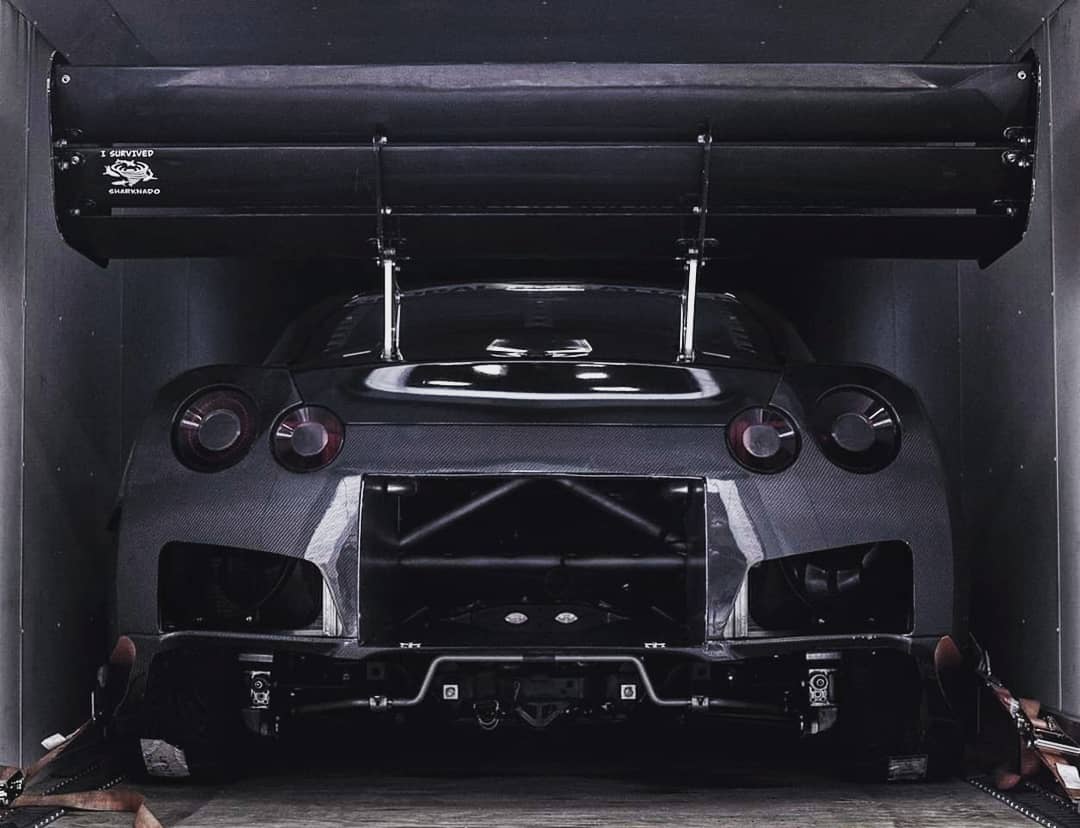
A tunnel that starts at the transmission bell housing and terminates between the taillights directs airflow from under the belly of the chassis, reducing turbulence and helping to suck the chassis to the ground. A massive tri-planed wing mounted to billet wing stays bolts directly to the chassis.

Collectively, these changes yield tremendous increases in downforce over the tires for improved traction, handling and contact with the pavement.

Read the full feature in DSPORT Magazine for complete build details.

Revline Porsche 968 at Mantorp Park

Alx Danielsson Sets Mantorp Park Record in Porsche 968

Revline Porsche 968 with AMB Infinity Wing claims production car lap record at Sweden's Mantorp Park.

Alx Danielsson talks Revline's Porsche 968 Mantorp Park Lap Record

Alx Danielsson

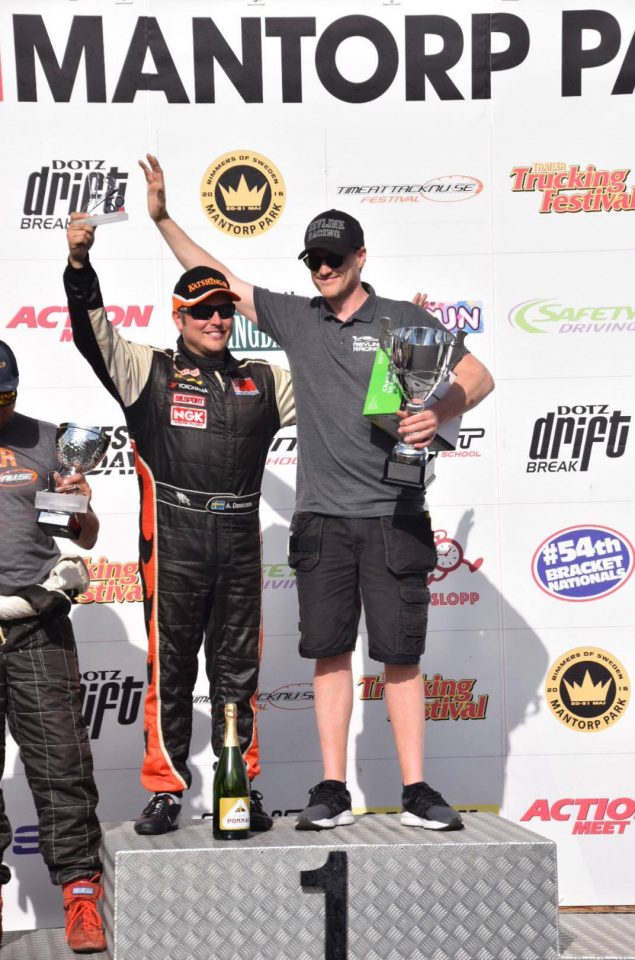
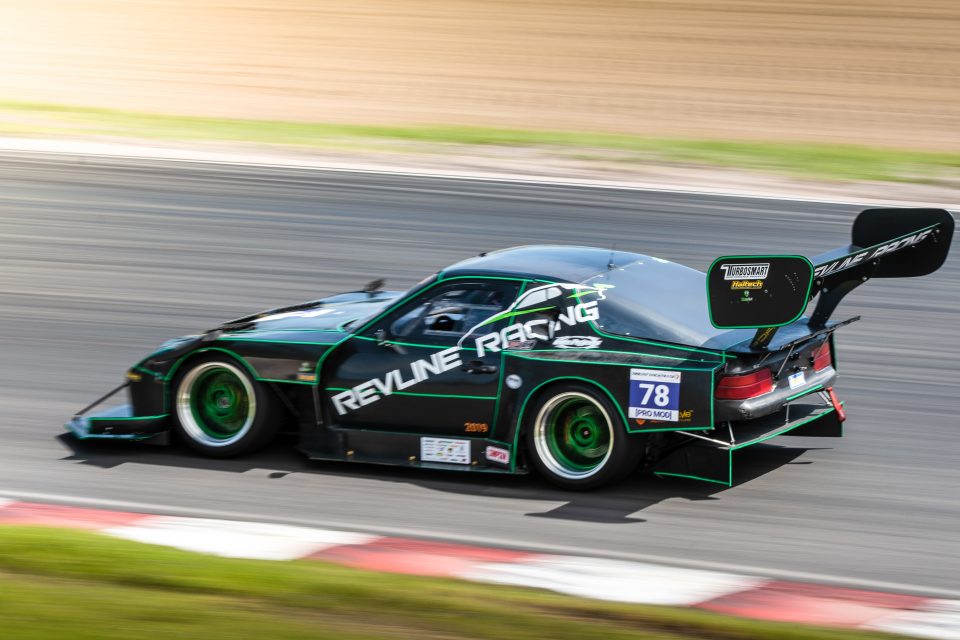
The Revline Porsche 968 has set a new production-based car lap record at Sweden's Mantorp Park with local superstar Alx Danielsson at the controls. AMB Aero's signature Infinity Wing provided the downforce required for the historic lap.

The 1:12.168 lap is a new pro-mod record and is yet another example of the importance of well-designed aerodynamic elements. This is within three-tenths of a second of the outright track record, set by a four wheel drive tube-frame car approximately 300kg lighter.

Against All Odds

But as is typical of Time Attack racing, the path to glory was not straightforward. Alx takes us through the lead up to that all-important lap.

"The engine was already hurting in testing two days prior to the event with a failing head gasket. I got two laps that day – the car was scary. The base was all there but it needed tweaking, small changes can make a huge difference on a car like this"

As the team was analysing data, Gustaf received a phone call. His mother was very ill in hospital in the far North of Sweden, and he would have to leave.

"I lost my mother back in 2007 when she was travelling home from one of my races. I got all those old feelings back. I offered to race his car for him and his family should he wish – Gustaf decided it was the right thing to do."

During Gustaf's testing on Friday, the engine's condition worsened. By the time Alx was back in the driver's seat on Saturday, he knew the car had one lap left in it at best.

Revline Porsche 968 at Mantorp Park

"Crankcase pressure was high, oil pressure low and water was being pushed into the oil. Gustaf, in the truest sense of Time Attack spirit, made the decision to make a solid attempt even if it meant blowing up the engine. He said to me 'I'm shutting off alarms and failsafes, turning up the boost and putting the new tires on the car. Go for it!'"

The Record Lap

The lap itself was a blur for Alx – literally. But he nailed the important braking points and apexes despite not having tire temperatures exactly where he'd want them.

"After the lap I kept the speeds up and the revs down to cool everything off. We did it! 1:12.1 came up on the dash and I can only imagine the relief and happiness of the guys on the pit wall. I sure felt it in the car. She held up."

A well deserved victory for Alx, with only a few minutes of experience with the Revline 968, and Gustaf, with has thousands of hours of his own efforts invested in the build.

Aerodynamic Revolution

Since Alx's first drive of the 968 in 2014, the main change has been aero. Back then, the car was capable of a 1:19 lap, an R-spec record at the time.

Alx Danielsson driving the Revline Porsche 968

"The 968 has gone from your typical GT downforce level to that of a high downforce single seater. Before, the downforce helped in fast corners and high speed braking. It still drove on its springs at high speed, which basically means it drove like a 'normal' track car. Through the collaboration of Gustaf, Revline and AMB Aero everything has changed. Because of the massive downforce, the car only rides on its springs up to a certain speed before transitioning to bump rubbers. This can be very strange and scary but luckily I have spent a good few years racing cars like this."

Alx's seat time in Formula Renault, Formula Nippon, Champ Car and F1 cars uniquely prepared him for high-downforce driving technique.

"Speaking purely of downforce, the car outranks the Nippon (Lola) and the FRV6 (Tatuus). It's level with the Champ car (ground effect Dallara), WSR (ground effect Dallara) and the F1."

Amazingly, Alx feels that there is still time to be found in the current setup: "We were on medium boost and I was short shifting by 700rpm to keep the head gasket alive. So there is maybe up to a second in power alone."

LYFE Motorsport R35 GT-R

The LYFE GT-R: A Decade of Dominance — From Hurricane Wreck to World's Fastest

A flood-damaged Nissan GT-R rebuilt with AMB Aero became the most dominant American time attack car of its generation — beating HKS head-to-head, winning three Super Lap Battle championships, and proving that superior aerodynamics can overcome 600kg of weight disadvantage.

Born from Disaster

The car that would become America's fastest time attack GT-R started life as a 2010 Nissan R35 that never left the dealership. Completely submerged in saltwater during Hurricane Sandy, it was written off and sold for salvage. Cole Powelson saw something else — a platform, and a second chance. He named it "Sydney."

Powelson founded LYFE Motorsport in 2014 with partners Doug Nephew and Kyle Schick, with one goal: build the quickest Pro/Unlimited class R35 GT-R track car in the world. They enlisted aerodynamicist Andrew Brilliant of AMB Aero to design the aero package from scratch.

The AMB Aero Package

Brilliant designed a custom aerodynamic package around the GT-R's unique constraints. The massive double-element rear wing — an AMB design built by LYFE — was paired with front aero elements optimized through CFD to balance the car at speed. The "Freedom Tunnel" — a signature engineering detail — routes all engine compartment, intercooler, and transaxle vent air through the car and exhausts it into the low-pressure zone at the rear, turning thermal management into aerodynamic advantage.

LYFE GT-R full carbon rear with AMB Aero double-element wing

Underneath, a full flat bottom manages airflow that production GT-R bodywork was never designed to handle. The result: a car that generates massive downforce while remaining competitive on straights despite weighing significantly more than its rivals. The aerodynamic development combined CFD simulation with physical wind tunnel testing of a scale model — the first ever joint wind tunnel and CFD development project for a time attack car.

Beating HKS: The Speed Ring Showdown

In 2016, HKS flew their top driver — legendary Nobuteru Taniguchi — and the 1,000+ horsepower HKS GT1000+ GT-R from Japan to Auto Club Speedway in Fontana. They posted a $20,000 bounty: beat us.

Taniguchi set the benchmark at 1:33.386. Powelson answered with 1:32.534 — winning by 0.852 seconds and claiming the title of fastest GT-R in the world.

This was the HKS factory team, with Taniguchi — one of Japan's greatest racing drivers — behind the wheel. LYFE Motorsport was a small Utah-based operation that had suffered a tire puncture mid-session and only continued because a competitor drove to his shop to source a replacement. They won anyway.

LYFE Motorsport GT-R

Super Lap Battle Dynasty

The LYFE GT-R's dominance at Super Lap Battle at Circuit of the Americas became the stuff of legend:

  • 2019 — Champion. Inaugural SLB COTA. Powelson set the track record at 2:07.181 despite running on a wounded engine, used tires, and mid-level boost. Fastest car overall.
  • 2021 — Champion & Track Record. New AWD/Overall record of 2:06.432 — nearly 10 seconds faster than the previous year's winner. The driveshaft failed during the record lap. Data showed 2 seconds were lost as the car coasted across the line. He won anyway.
  • 2024 — Champion & AWD Record. Final chapter. Powelson reset his own record with a 2:02.538 — the current SLB Unlimited lap record at COTA.

Three championships in the most prestigious American time attack event. The car that "couldn't" — the Hurricane Sandy salvage, the car 600kg heavier than its lightweight rivals — kept winning.

WTAC: America's Fastest

Powelson took the LYFE GT-R to the World Time Attack Challenge in Sydney — twice. At WTAC 2023, he posted a 1:25.945, earning a Pro Class podium and the distinction of fastest American team in WTAC history. The car ran 5 full seconds faster than its previous WTAC appearance, a staggering improvement at that level.

For context: the LYFE GT-R was competing against purpose-built tube-frame cars weighing 600kg less. The GT-R is a road car platform — heavy, wide, and aerodynamically compromised from the factory. That a production-based GT-R could run 1:25 at Sydney Motorsport Park against the world's best is a testament to what AMB Aero could extract from an imperfect platform.

"Right out of the box, having an aero package saved us tons of money over trying to develop a car around the aero. The more power you have, the more [downforce] you need — and this car became the fastest North American to ever lap at World Time Attack."
— Cole Powelson, LYFE Motorsport

The Weight Problem — and Why Aero Solved It

This is the story that matters for aerodynamics. The GT-R R35 is a heavy car — over 1,600kg race-ready. Its direct competitors at WTAC and SLB weighed 900–1,100kg. In a discipline where every kilogram costs lap time, the LYFE GT-R carried a 500–700kg handicap into every event.

AMB Aero's solution wasn't to make the car lighter. It was to make the air work harder. The aero package generated enough downforce to overcome the weight penalty in corners, while the Freedom Tunnel and carefully managed drag kept the car competitive on straights. Against Verus-designed cars with significant weight advantages, AMB aero won head-to-head — repeatedly.

The Numbers

  • 3x Super Lap Battle COTA Champion (2019, 2021, 2024)
  • 1:25.945 at WTAC — fastest American team ever
  • 2:02.538 — current SLB COTA Unlimited record
  • 1:32.534 — beat HKS GT1000+ and Taniguchi for fastest GT-R title
  • 1,160 whp from a stroked 4.0L VR38DETT
  • 10+ years on the same AMB Aero design philosophy

In the Press

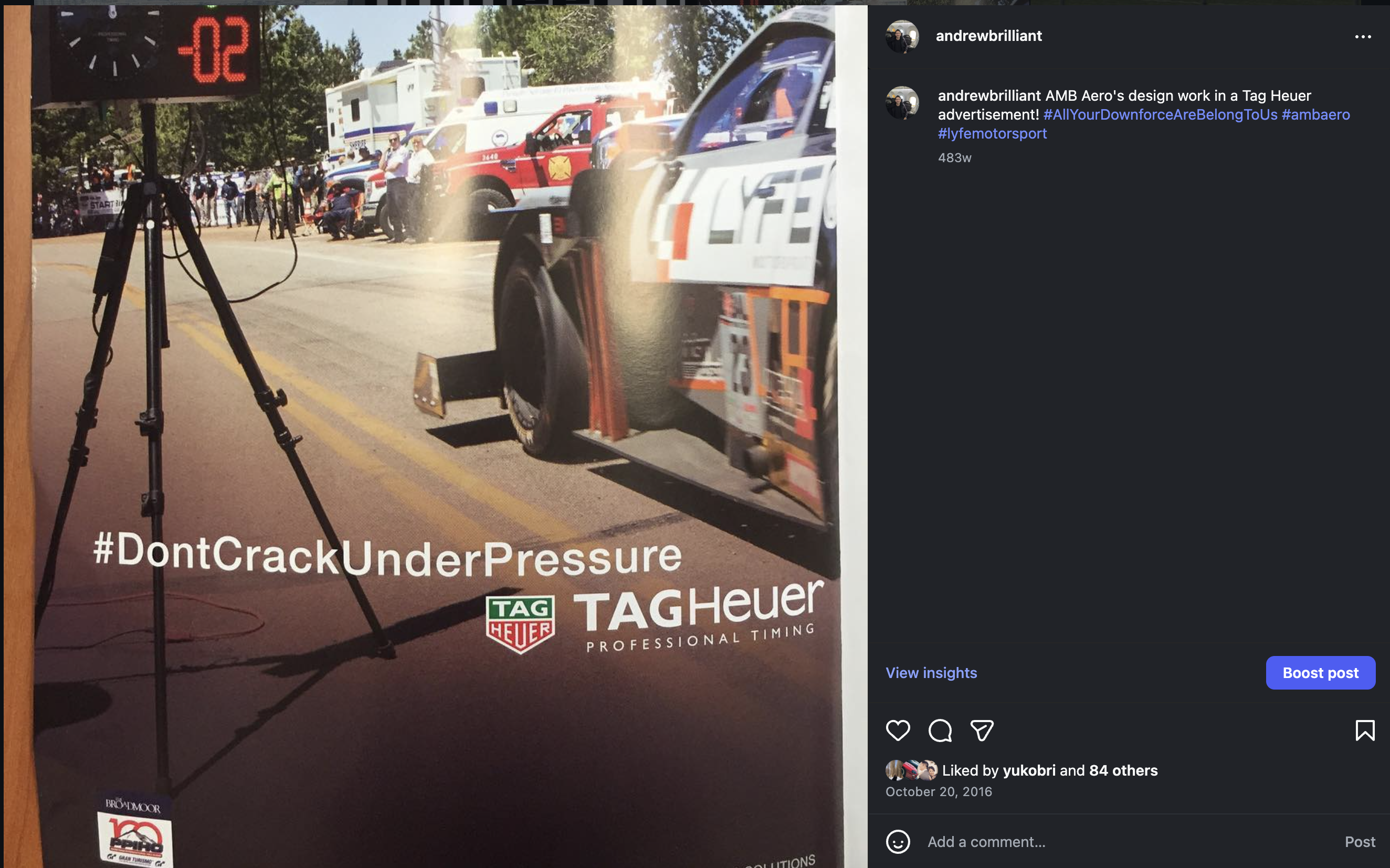
TAG Heuer advertisement featuring AMB Aero design at Pikes Peak

TAG Heuer's #DontCrackUnderPressure campaign featured AMB Aero's Pikes Peak design — October 2016.

Retirement

After nearly a decade of competition, the LYFE GT-R has been retired from active duty — its legacy secure as the most successful American time attack GT-R ever built. Cole Powelson has moved on to new projects, including piloting the COORE Racing Subaru GC8 STI at WTAC 2024. But the car that started as Hurricane Sandy salvage and ended as a three-time champion proved something that no spec sheet could capture: with the right aerodynamics, the heaviest car in the field can be the fastest.

J-Spec Performance EVO X

J-Spec Performance: Seven Consecutive Italian Time Attack Championships

Swiss team J-Spec Performance has won every Time Attack Italia title since fitting AMB Aero — a dynasty built on aerodynamic superiority.

From Contender to Dynasty

Before 2018, J-Spec Performance was a competitive Swiss outfit campaigning a Mitsubishi Lancer EVO X in Italy's premier time attack series. They were fast, but not winning championships. That changed the moment they bolted on AMB Aero.

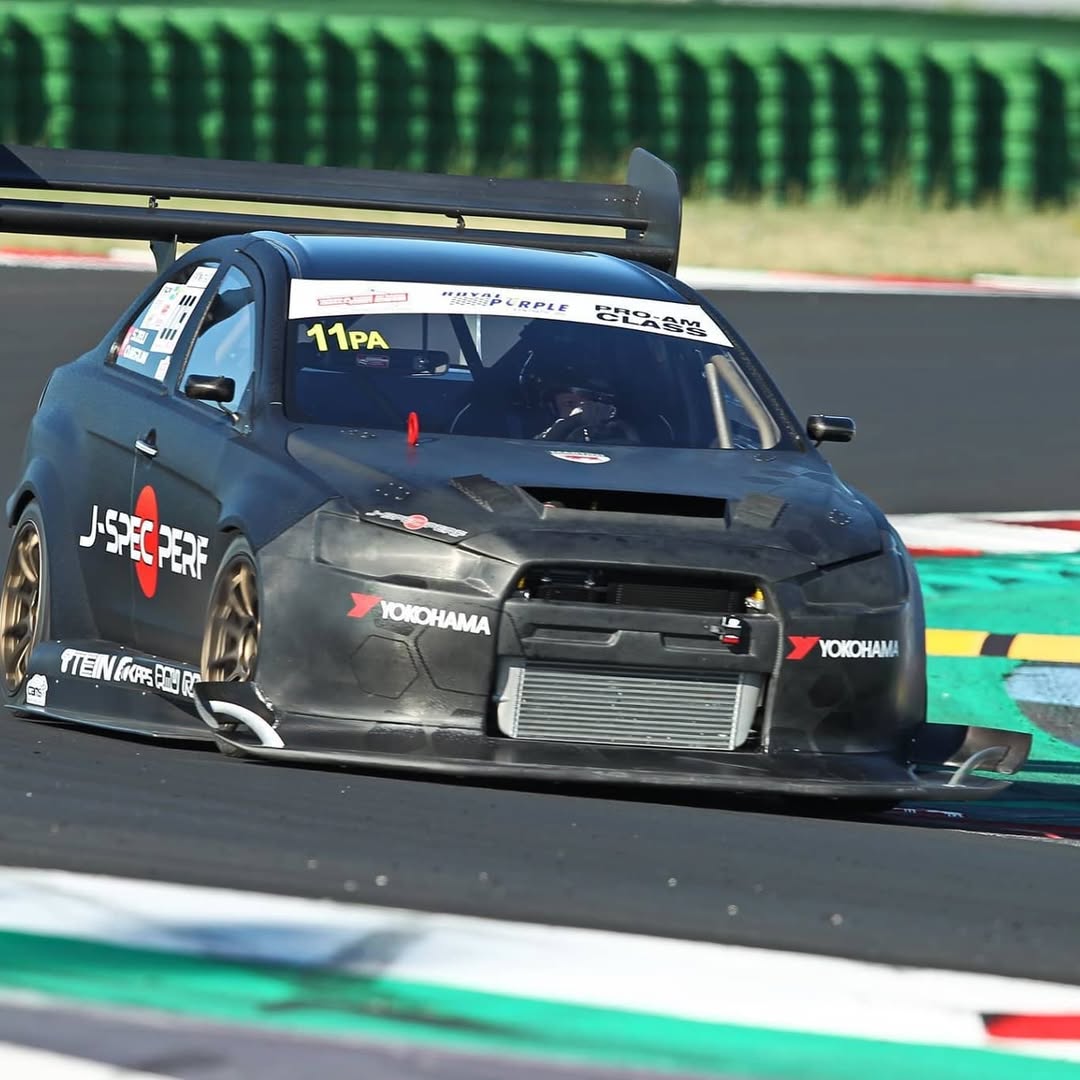
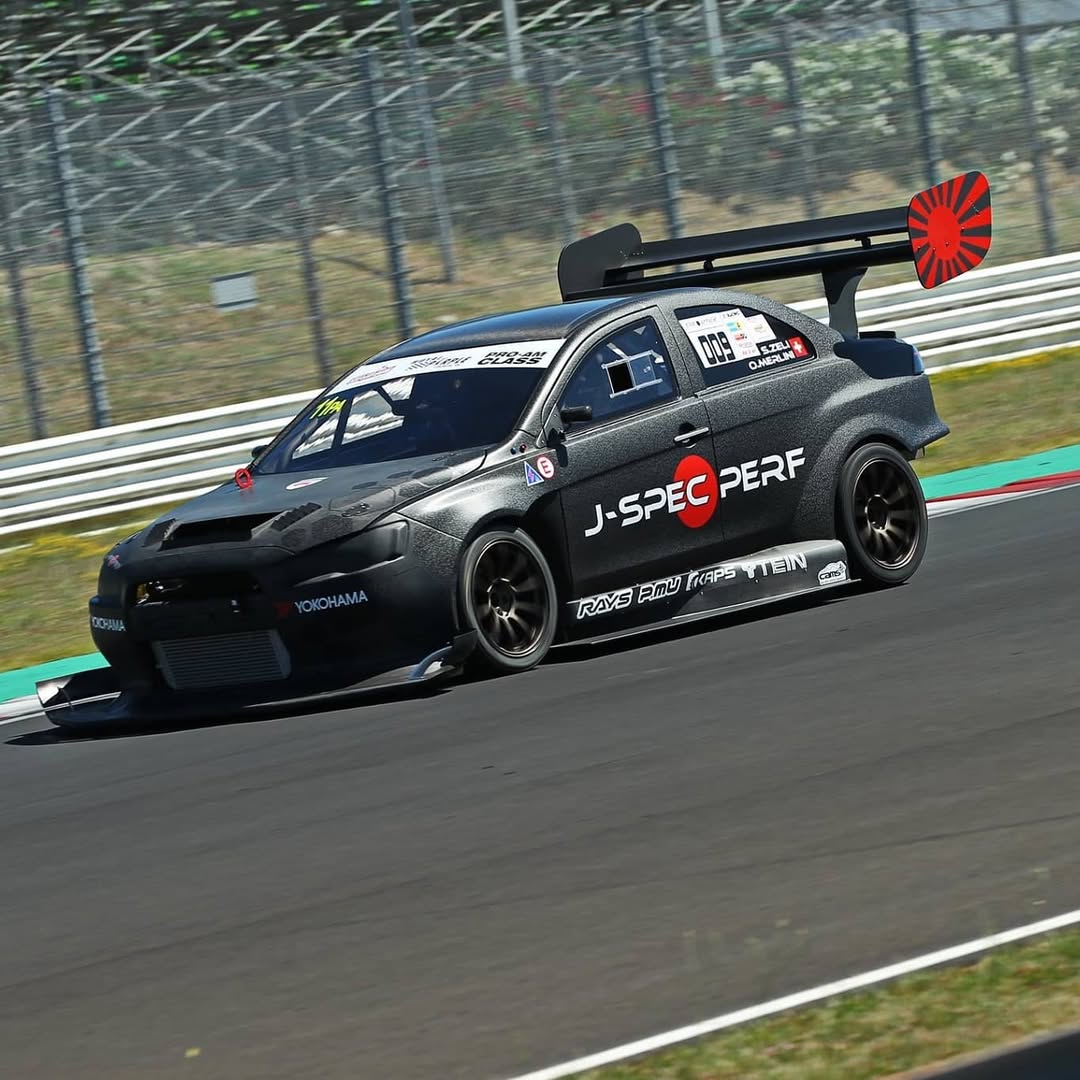
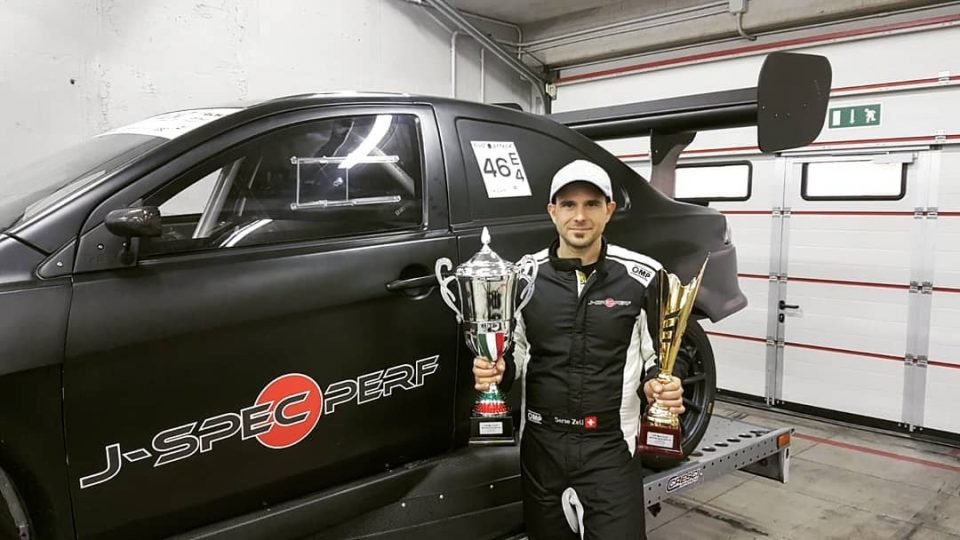
Since fitting the AMB Aero® Infinity Wing package, Serse Zeli has won every single Time Attack Italia championship — seven consecutive titles from 2018 through 2025. Not a single year lost. The car that couldn't quite get there became the car nobody could beat.

J-Spec EVO X aero detail

"There Was No Way"

When J-Spec first arrived at the grid with the Infinity Wing, the paddock was skeptical. Serse recalls:

"When we got to the first race people were pointing at the massive rear wing and saying there was no way we can make the downforce to balance it out. We won that race and the balance was perfect."

By the third race, the skeptics had gone quiet. By season's end, the EVO X had won every round and collected four circuit lap records. The pattern has repeated every year since.

The Numbers

  • 7 consecutive championships (2018–2025)
  • Mugello lap record: 1:49.665 — just three seconds off Valentino Rossi's MotoGP time on the same circuit
  • Monza lap record: 1:47.380 — where the Infinity Wing's low-drag design proved critical on the 1.1km straight
  • Multiple circuit records across the Italian Time Attack calendar
  • WTAC 2018: Built a second car in under a month to compete at the World Time Attack Challenge in Sydney

The Car

The J-Spec EVO X is built entirely in-house by Serse and co-founder Olivia Merlini — who also competes, holding the Club Class championship. The 2.2-litre engine produces approximately 550hp to the wheels through a Precision 6266 turbo, paired with a Cobb 6-speed sequential gearbox and Tein Super Race suspension. The AMB Aero® package includes the Infinity Wing, side skirts, and front splitter.

Why It Works

At Monza, drag is everything. The Infinity Wing's defining characteristic — high downforce with minimal drag penalty — gave J-Spec an advantage where it mattered most: they were faster in the corners and on the straight. As Serse noted, "Monza has a long straight so the drag is much more important there." They won anyway.

Seven years. Seven titles. Zero seasons lost. The J-Spec EVO X is the longest-running dynasty in Italian time attack history — and it started the day they fitted AMB Aero.

Infinity Wing

One Year in the Wild: Infinity Wing Anniversary

Celebrating a year of record-breaking performance from AMB Aero's revolutionary Infinity Wing technology.

One Year in the Wild for AMB's Infinity Wing

For new aerodynamic developments, time is the ultimate test. Time to evaluate and prove the theory and simulations on real race tracks and above all else the time rewritten in the record books.

One year on from AMB Aero's introduction of the Infinity Wing, we thought it was time to look back on a year of competition around the world with four of AMB's most demanding time-attack client teams.

HKS TRB-03 - Tsukuba Domination

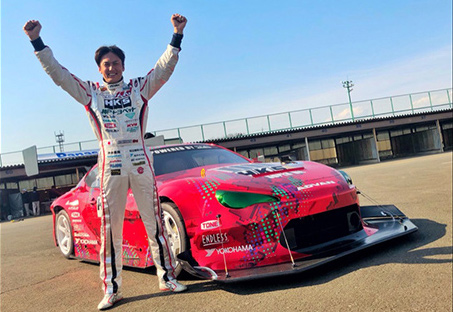
Perhaps the most talked-about Time Attack car of 2018, the Toyota 86-based HKS TRB-03 was designed for a singular purpose - demolish the lap record at the spiritual home of time attack racing, Tsukuba Circuit. HKS commissioned AMB Aero to develop an aerodynamic design appropriate for this purpose, and Infinity Wings were on the menu.

HKS TRB-03 with Infinity Wings

Such was the aerodynamic efficiency of the Infinity Wing front end, HKS now faced a new challenge. The car was generating so much front downforce that the rear of the car couldn't keep up, even with the massive rear wing. The solution was to add a second deck wing to balance the aero load.

HKS TRB-03 detail view

J-Spec Evo X - Italian Job

The appeal of the Infinity Wing is its ability to deliver increased front-end downforce without the increase in drag that traditional aerodynamic wings or canards would create. Serse from J-Spec elaborates:

"The Infinity Wings transformed our Evo X. We gained 3 seconds a lap at Monza with no power increase - purely from the aerodynamic improvements. The car is now stable at speeds where it used to feel nervous."

The J-Spec domination at Monza set the tone for the rest of the season. By the time the season was done, the Evo X had won every race and picked up four lap records along the way.

J-Spec Evo X with Infinity Wing

AFP WRX - Scottish Success

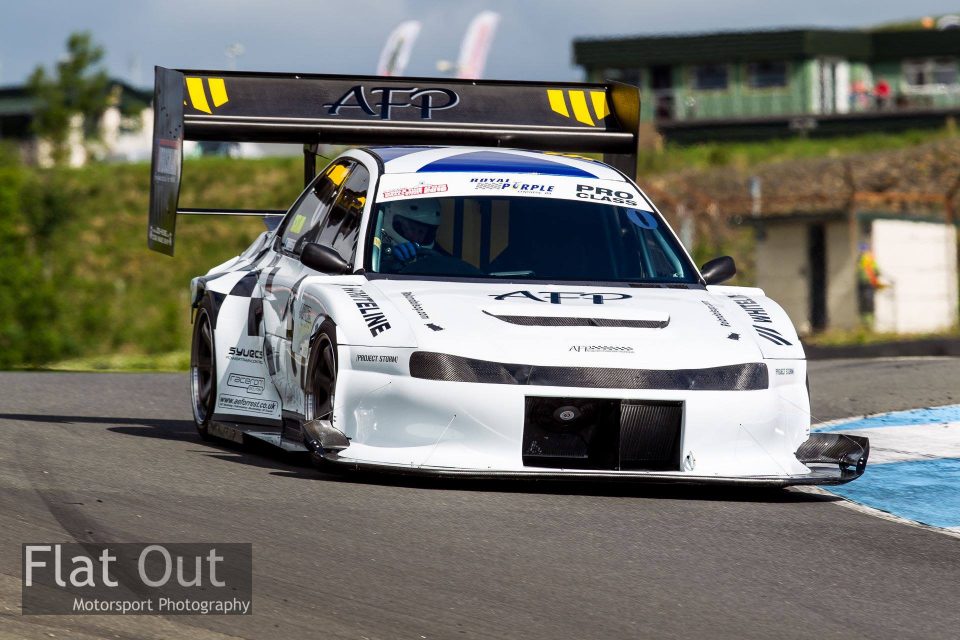
AFP's WRX has been a crowd favourite for years, and when Andy approached AMB we knew Infinity Wings would be a great complement to the full aerodynamic redesign required to keep the Subaru at the top of the timesheet.

AFP WRX with Infinity Wing

During runway testing of the Infinity Wings, Andy measured drag by running the car at a constant speed and measuring the variations in fuel usage required to maintain speed. The result: despite generating significantly more downforce, fuel consumption at 150mph actually decreased, proving the negative drag coefficient of the Infinity Wing design.

Andy went on to win and set a new record at Super Lap Scotland, taking over 2 seconds off the previous best.

Revline Racing - Suspension Limits

Yes, lap times are the ultimate test of a race car, but for an aerodynamicist there's one place where you can truly see the tech in action - the main straight. At top speed, maximum downforce is developed and will cause maximum compression of the suspension. Revline Racing discovered the limits of their suspension setup at their first day testing the AMB-designed Infinity Wing at Mantorp Park:

"We had to completely redesign our suspension setup. The Infinity Wings were generating so much downforce that we were bottoming out on the straight. Once we stiffened everything up, we found 4 seconds a lap!"

Looking Forward

Although there's now twelve months of winning results for the design (thanks in no small part to the hard work of all the engineers and drivers involved!), we at AMB believe this is just the beginning for the Infinity Wing. For teams looking for the high downforce, low drag combination that the Infinity Wing delivers, we'd love to hear about your goals.

The Technology

The Infinity Wing uses a unique multi-element design where each element works in harmony to manage airflow. The front element conditions the air, the middle element generates the primary downforce, and the rear element acts as a flow re-attachment device, ensuring the air exits cleanly without creating drag.

Unlike traditional wings that stall at high angles of attack, the Infinity Wing maintains attached flow across all operating conditions. This means consistent downforce whether you're at 60mph or 160mph, in a straight line or mid-corner.

Year One Statistics

  • 23 lap records set across 4 continents
  • 8 championship titles won
  • 15 different chassis applications successful
  • Average lap time improvement: 3.7 seconds
  • Fastest recorded speed with Infinity Wings: 187mph (HKS TRB-03)

Although there's now twelve months of winning results for the design (thanks in no small part to the hard work of all the engineers and drivers involved!), we at AMB believe this is just the beginning for the Infinity Wing. For teams looking for the high downforce, low drag combination that the Infinity Wing delivers, we'd love to hear about your goals for 2019 and beyond.

MCA S13

MCA Suspension S13 Sets New Record: 1:22.19 at WTAC

MCA Suspension team with driver Tim Slade sets stunning lap record with AMB Aero® designed rear wing boosting downforce by 30%.

AMB Aero Helps MCA Suspension S13 at WTAC

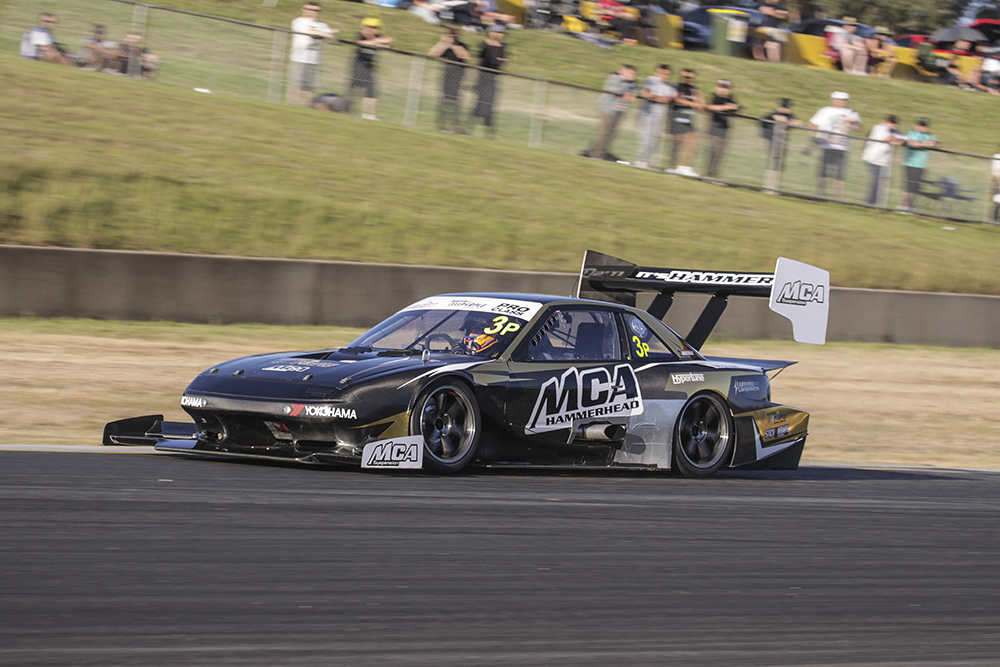
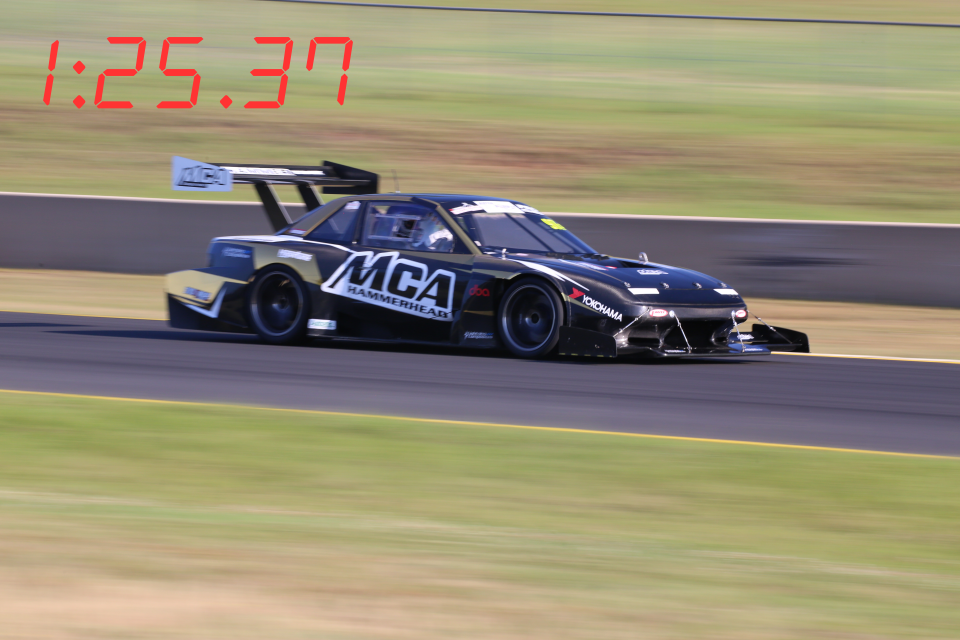
At Sydney's World Time Attack event in 2015, the MCA Suspension S13 achieved a best time of 1:25.37 – a record for the car, but once again not enough to secure the top spot from the field of ever-improving domestic and international competition. It was the Queensland-based team's 5th attempt at taking the WTAC crown and although the car was its fastest yet, there was still a sizable 1.6 second gap between the S13 and Tilton Interior's 1st placed Mitsubishi Evo.

2015 MCA S13 baseline configuration

Hungry for the title, the MCA team turned to aerodynamicist Andrew Brilliant of AMB Aero to resolve issues that were holding the platform back, namely chronic oversteer and a lack of forward-traction grip. After the 2015 WTAC event, AMB performed a 'blind' CFD test of the 2015 car and identified key areas for improvement, along with insights that matched driver feedback.

MCA CFD analysis showing aerodynamic improvements

The AMB 2016 Aero Package

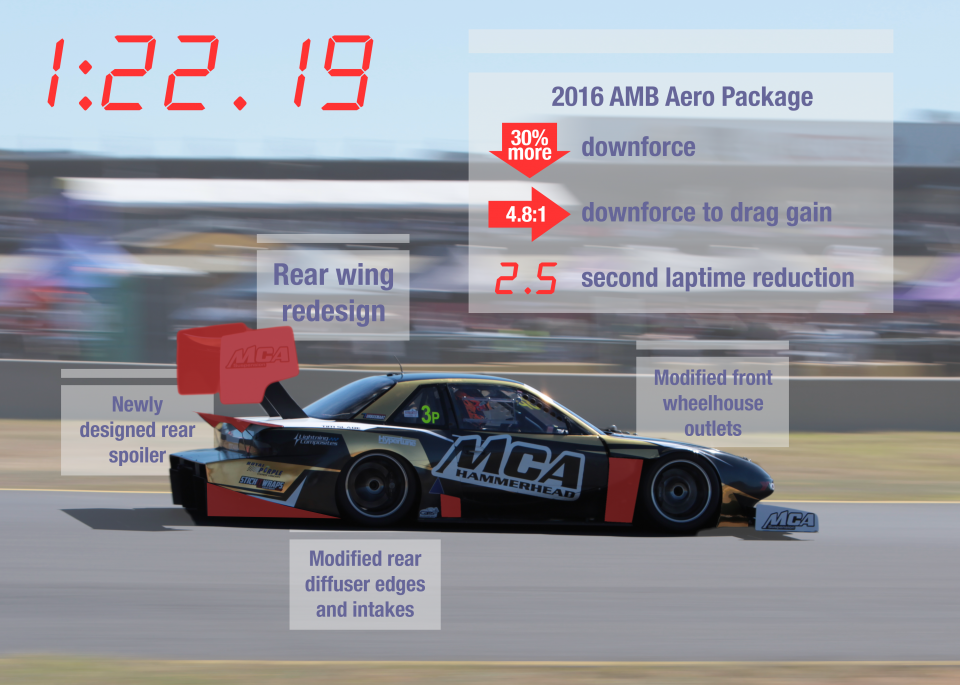
The AMB 2016 aero package focused on several key areas:

  • A complete redesign of the rear wing
  • A newly designed rear spoiler
  • Modified rear diffuser edges
  • Modified side diffuser intakes
  • Modified front wheelhouse outlets

"2016 was our biggest stride in aero, with a newly designed rear wing, spoiler solution and minor changes to the rear diffuser and front wheelhouse exhausts. We think aero is owed two to two and a half seconds of our lap time improvement. We dropped from 1:25.7 to a 1:22.19 with aero being the biggest change. The car looked completely different around the circuit and the traction improvement was dramatic."

Murray Coote, MCA Team Principal

The results speak for themselves. The car was 3.51 seconds faster around Sydney Motorsport Park, not only besting the Tilton Evo's record time but also leapfrogging the rapid improvement at top rivals PR Technology and Scorch Racing. Best of all, years of hard work from the team at MCA was finally rewarded with the World Time Attack Pro Class victory that had thus far eluded them. The testing and results suggested that the 30% increase in overall downforce and 4.8:1 gain in the downforce to drag ratio contributed to over 70% of the year-on-year pace improvement.

MCA Hammerhead S13 2017 configuration

2017 Title Defense

Nothing stays still in Time Attack racing – especially not your competitors. A completely redesigned aerodynamic package would not be ready in time for the 2017 event and with the RP968 looking ready to steal the title from 'Hammerhead', MCA and AMB undertook last-minute CFD analysis of the existing aero package to find any extra advantage.

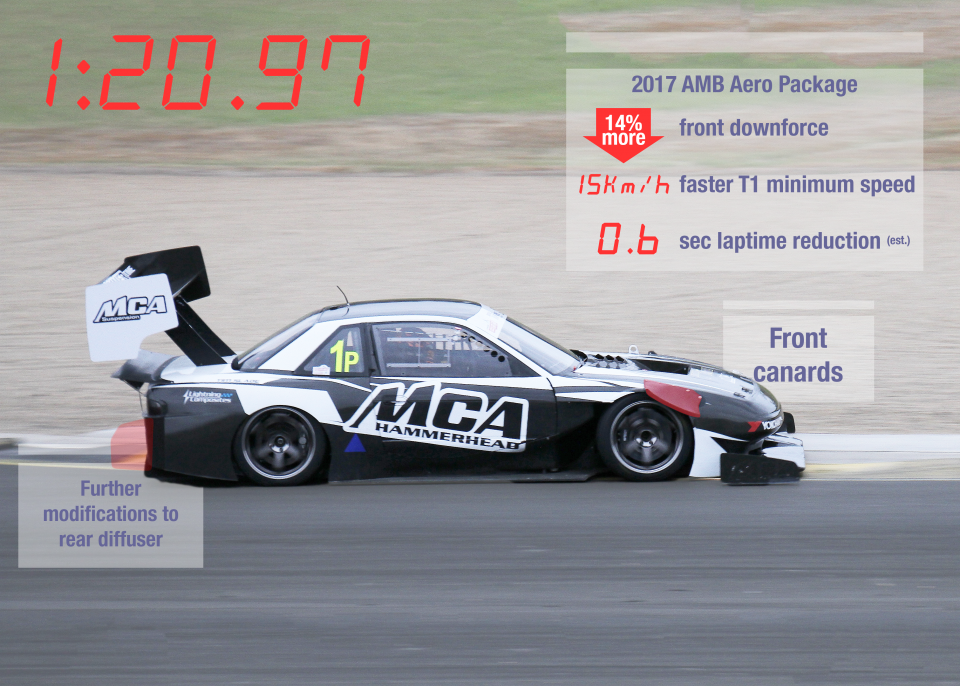
The resulting AMB 2017 aero package added:

  • Front canards
  • Further modifications to a shortened rear diffuser

"We completed further modifications to the rear diffuser and as the RP968 team was looking to potentially overtake us, AMB completed overnight CFD testing and found we could mix some of the bits from a still incomplete new front-end package. This hybrid layout had a massive effect on the front downforce. Driving the car visually into the ground down the straight away it netted us a huge 15kmh increase in turn 1 minimum speed over 2016. We were able to stay on the throttle more around the apex and we believe that was worth another half to three quarters of a second around the circuit."

Murray Coote, MCA Team Principal

After hasty addition of these parts overnight, the car picked up an extra 0.6s on day two. As a result, the car was the first to break into the 1:20's and successfully defended the 2017 World Time Attack Challenge title against PR Technology and Scorch Racing.

WTAC 2016

AMB Aero Dominates: 4 Podiums in 2 Classes at WTAC

With intense competition and open rulebook, AMB Aero takes these concepts and refines them into a winning formula.

AMB Aero Takes 4 Podiums in 2 Classes at WTAC 2016

With intense competition and an very open rulebook World Time Attack Challenge is a perfect event to take advantage of aerodynamics to get a competitive edge. The event has become synonymous with large and extreme carbon fibre aero kits fitted to street chassis cars. AMB Aero takes these concepts and refines them into a winning formula.

MCA Suspension S13 - Pro Class Winner

Testing a new driver behind the wheel for 2016, Murray Coote and the MCA Suspension team wanted to refine the aerodynamic balance. AMB Aero worked with the MCA team to design a new rear wing and a one off deck lid spoiler to boost total downforce by over 30%.

"We tested at QR back to back with the old and new aero parts AMB designed for us. We ran with sensors to measure the downforce and make sure the numbers were as promised. After that test we were sure we moved in the right direction. The aero improvements made a huge difference." Murray Coote - Team Owner

Using our CFD modelling process we were able to improve the car drastically in terms of overall balance with little adjustment needed during testing resulting in a overall 1st place finish and a new lap record of 1:22.19.

"The car seems quite good, it's a big improvement from last year with the new rear wings. It feels a lot more stuck in the rear than what it looked like for Shane." Tim Slade - Driver

Tim Slade MCA S13

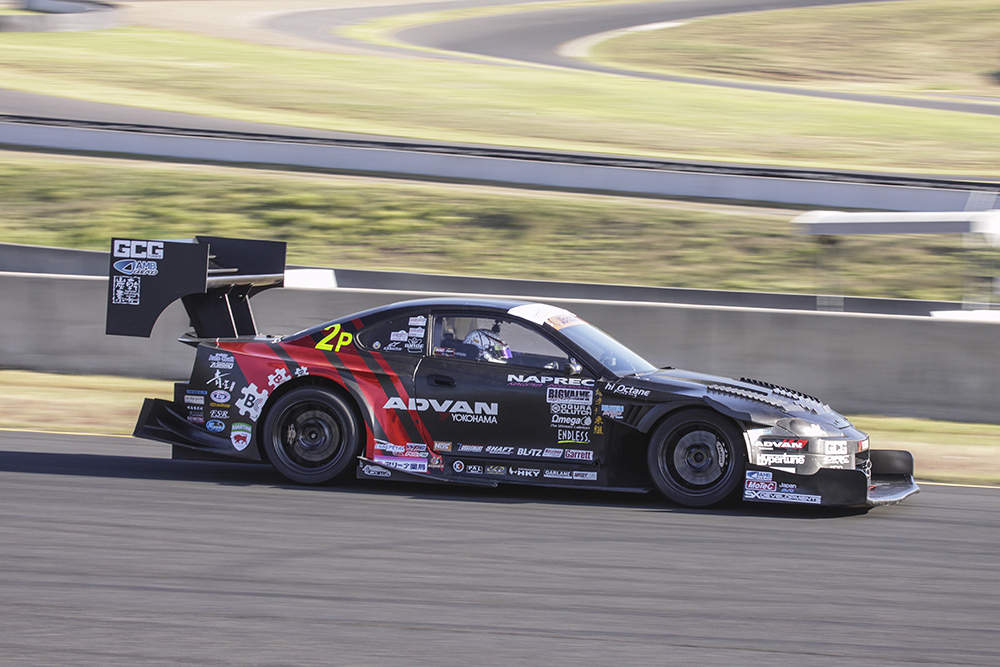
Under Suzuki S15 - Pro Class 2nd

Narrowly missing out on 2nd place was another AMB Aero customer - the "Worlds Fastest Amateur" Tomohiko 'Under' Suzuki. Suzuki embodies the privateer spirit of the event with his self-built Nissan S15 Silvia. Suzuki has been working with AMB Aero since 2013 and has been steadily improving his aerodynamic package year on year with falling lap times with every attempt.

Under Suzuki S15

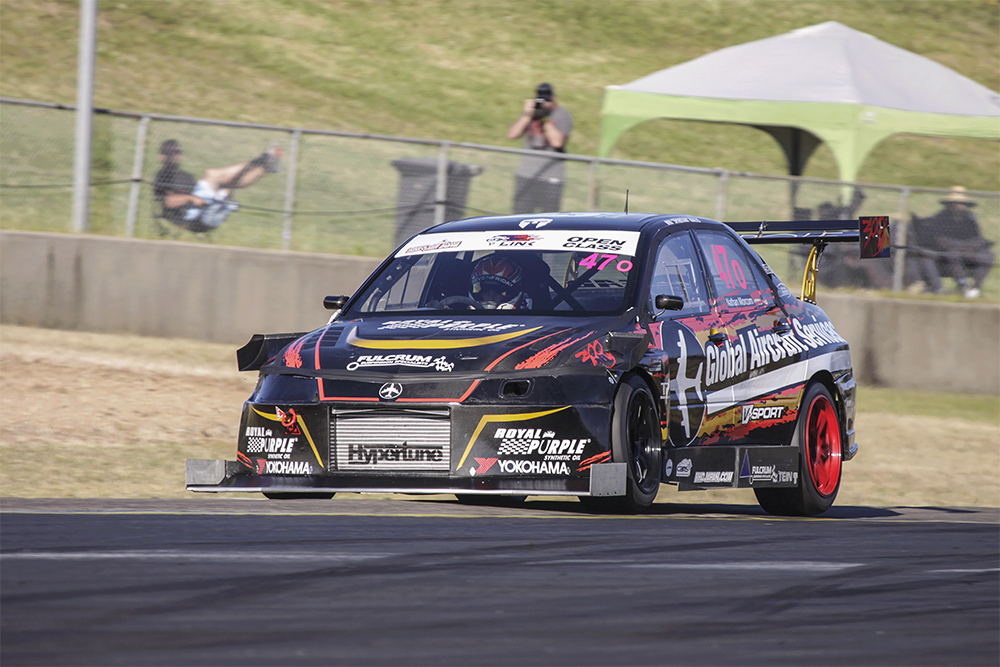
Nathan Morcom Evo 9 - Open Class Winner

In the highly competitive Open Class Nathan Morcom took out the top spot with the Spartan Evo 9. The car was given an aerodynamic overhaul following its purchase from Nik Kalis and the new driver responded to the changes well.

"The aero was very different, well thought out and planned right down to the final detail in this Evo 9. The biggest surprise for myself was driving through turn one around Sydney Motorsport Park without braking. There are only a couple of cars I've ever driven without braking through turn one and they are a Mclaren and a Formula 3 car. I really rate the aero package highly and can't wait to jump in the car again!" Nathan Morcom - Driver

Nathan Morcom Evo 9

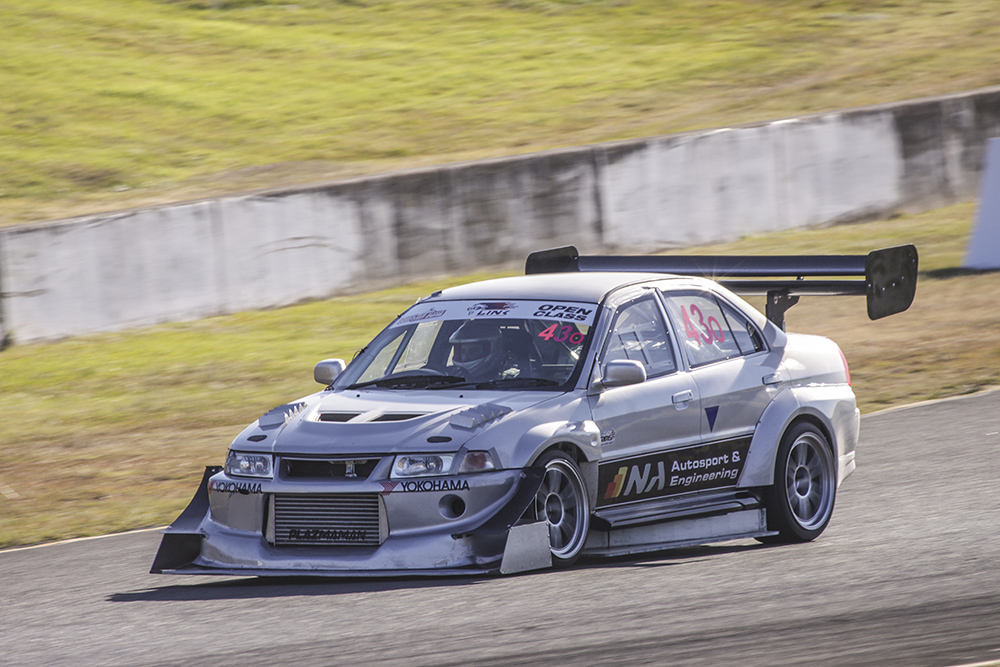
Nick Ashwin Evo 6 - Open Class 3rd

Rounding out the Open Class podium was yet another AMB Aero customer Nick Ashwin in the NA Autosport Mitsubishi Evo 6. Similar to Under Suzuki's self made philosophy, Ashwin took advantage of AMB Aero's CFD design service and built the aero package himself from our blueprints.

Nick Ashwin Evo 6

If you are interested in time attack racing AMB Aero can help you find your winning edge in aerodynamics. AMB Aero can bring high-end aero development to club level teams on any budget. Whether you want an end to end carbon fibre solution or a design catered to your fabrication skill set we can create the best design for your project.

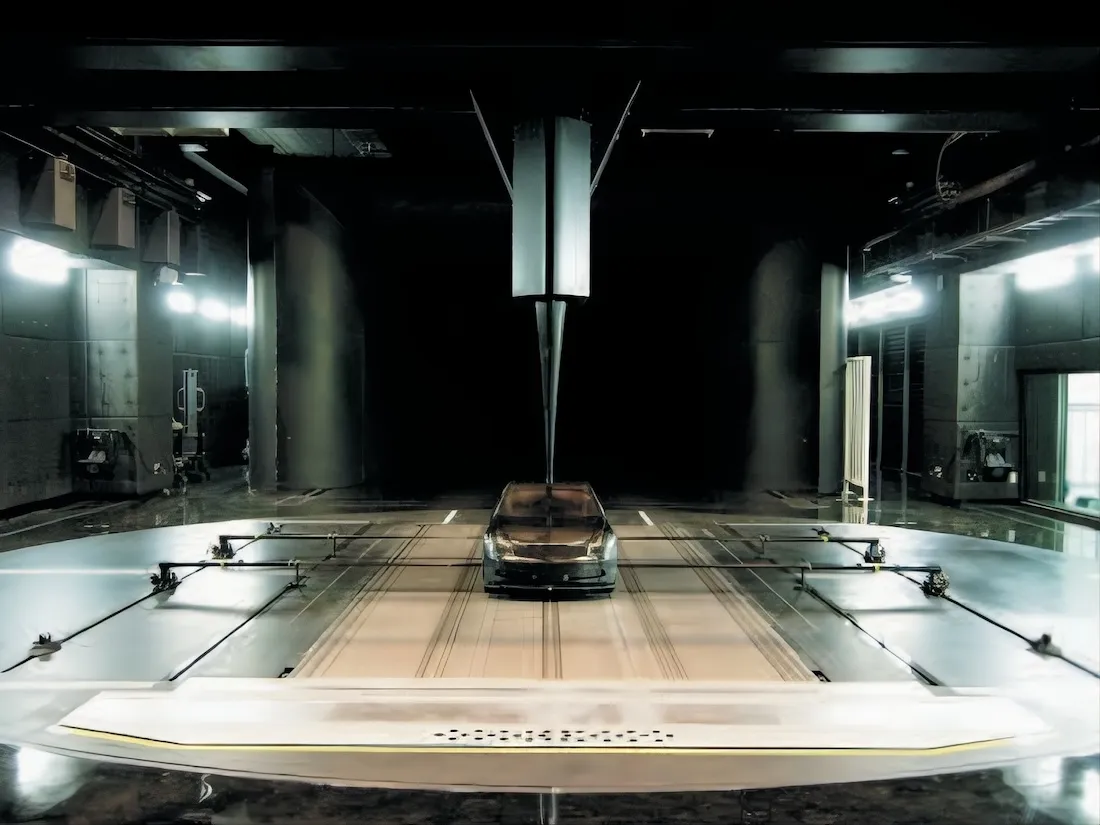
Nissan Technical Center Wind Tunnel

Nissan Technical Center: Revolutionary Wind Tunnel Methodology

Four-year collaboration with Nissan Technical Center. Yoshi Suzuka and Andrew Brilliant developed the SST (Super Small Tunnel) — a compact prototype that matched the accuracy and repeatability of Nissan's full-scale NVH facility at a fraction of the cost.

The project evolved into a multi-scale methodology: begin testing at small, inexpensive scales during early design phases, then increase model scale as the design matures and justifies the investment. This approach optimizes budget allocation across the development cycle.

Scope included design and production of custom sting apparatus, precision control and measurement systems programmed in LabVIEW (still in use at Nissan today), and CFD simulation that both aided the tunnel design and validated against experimental measurements — proving the quality of design, construction, and simulation together.

CFD validation used differential mesh convergence — comparing solver behavior across varying discretizations to distinguish physical signal from numerical artifact.

Additional complexity: development on Hokkaido's 50Hz grid, deployed to Nissan's 60Hz facility. Custom DAQ solution using solenoid-triggered battery switching to eliminate electrical noise from tunnel motors.

Nissan adopted the methodology across their program. Compact tunnels based on this work are now installed at two Japanese universities and in-house at Nissan.